Free 12-TET vs Just Intonation Frequency Comparison Tool— gemini-3.0-flash
gemini-3.0-flashInstantly calculate and compare frequencies between 12-Tone Equal Temperament and Just Intonation. Perfect for musicians, tuners, and audio engineers.
AI Generation Prompt
Application Overview
The Interactive Pitch Tuning Comparison Tool is a professional-grade utility designed to map and compare 12-Tone Equal Temperament (12-TET) and Just Intonation (JI) frequencies. This single-file web application serves as a calculator and reference guide for musicians, audio engineers, and instrument tuners who need to verify pitch differences mathematically.
Core Features
- Dynamic Frequency Calculator: Allows users to set the reference frequency (defaulting to A4 = 440Hz).
- Dual-System Table: A side-by-side comparison table showing Note Name, Octave, 12-TET Frequency (Hz), Just Intonation Frequency (Hz), and the difference in Cents.
- Audio Playback Engine: Integrated oscillator using the Web Audio API to play specific notes, allowing users to audibly compare 12-TET vs. JI.
- Visual Variance Graph: A lightweight Canvas-based chart visualizing the cents deviation between the two systems as you move up the scale.
- Root-Note Selection: A selector to change the 'root' key, recalculating the Just Intonation frequencies dynamically relative to that root.
Technical Architecture
- Single File (HTML/CSS/JS): All logic, styling, and assets are contained within one file. No external frameworks or build steps required.
- Light Mode Only: The interface uses a clean, high-contrast light theme. Background:
#FFFFFF; Text:#1F2937; Accents:#3B82F6(Electric Blue) and#10B981(Emerald). - Responsive Design: Uses CSS Flexbox/Grid to ensure the frequency table remains readable on mobile devices, with stacking layouts for inputs.
- Stateless/No Storage: No
localStorageorsessionStorageusage. All state is maintained in a standard JavaScript object variable and reset on refresh. - Sandboxed Security: Complies with iframe requirements by using standard event listeners and avoiding
alert()orprompt()calls; all user feedback is handled through CSS-based modal overlays.
UI Layout Specification
- Header: Clear, descriptive title with a minimalist icon.
- Configuration Panel: A row containing the Base Frequency numeric input (440Hz default) and the Root Key dropdown.
- Main Content Area: Split-screen.
- Left: Scrollable table showing the full 12-note scale comparison.
- Right: A 'Live Comparison' panel containing play buttons for selected intervals and the visual deviation chart.
- No Footer: The design terminates at the end of the content area.
Visuals & Micro-interactions
- Smooth Transitions: All hover effects (buttons) use a 200ms
transition: all ease-in-out. - Shadows: Subtle, soft drop shadows (
box-shadow: 0 4px 6px -1px rgba(0, 0, 0, 0.1)) on input cards to create depth without dark-mode styling. - Typography: Sans-serif, human-readable system fonts (Inter or System UI) for maximum readability.
- Visual Cues: When an audio frequency plays, the corresponding table row pulses with a subtle blue highlight to indicate active audio output.
Spread the word
gemini-3.0-flashFiles being used
Frequently Asked Questions
Everything you need to know about using this application.
What is the difference between 12-Tone Equal Temperament and Just Intonation?
12-Tone Equal Temperament (12-TET) is the standard tuning system used for modern pianos and guitars. It divides the octave into 12 mathematically equal semitones, which allows for modulation between all keys without needing to retune the instrument. However, this creates slight deviations from pure, mathematically perfect intervals. Just Intonation, on the other hand, is based on simple whole-number ratios (like 3:2 for a perfect fifth). These intervals sound smoother and more resonant in isolation, but they do not allow for easy key changes because the frequency ratios depend on the starting note. This tool allows you to visualize these harmonic differences in real-time.
How does this tool help with piano tuning?
While most modern pianos are tuned to 12-TET, understanding Just Intonation is vital for advanced tuning and historical performance practice. This tool helps tuners visualize exactly how many cents a specific note deviates from a 'pure' harmonic ratio, which is useful when stretching octaves or managing inharmonicity in strings. By providing a side-by-side frequency table, users can calculate precise offsets for electronic tuning devices. It serves as an essential reference for experimental music composition, where using alternative tunings can significantly change the emotional color of a musical performance.
Can I hear the difference using this application?
Yes, this tool features an integrated Web Audio API synthesizer that allows you to play individual tones from either tuning system. By toggling between 12-TET and Just Intonation while listening to the same root note, you can hear the difference in 'beat' frequencies and harmonic purity. Note that to experience the full clarity of Just Intonation, it is recommended to listen through high-quality headphones or studio monitors. Because the browser plays these tones in real-time, you can quickly audition different root frequencies to see how the mathematical ratios hold up across various octaves.
Is this tool saved to my computer or browser?
No, this application is built to be strictly stateless and client-side only. It does not use cookies, localStorage, or any external database to save your data or preferences between sessions. All calculations are performed in your browser's memory and are discarded when you refresh or close the tab. This approach ensures maximum privacy and security, as no audio data or personal frequency settings are ever transmitted to a server. You can safely use this tool in any environment, including locked-down enterprise networks or sandboxed educational computers, without worrying about persistence or tracking.
Related Applications
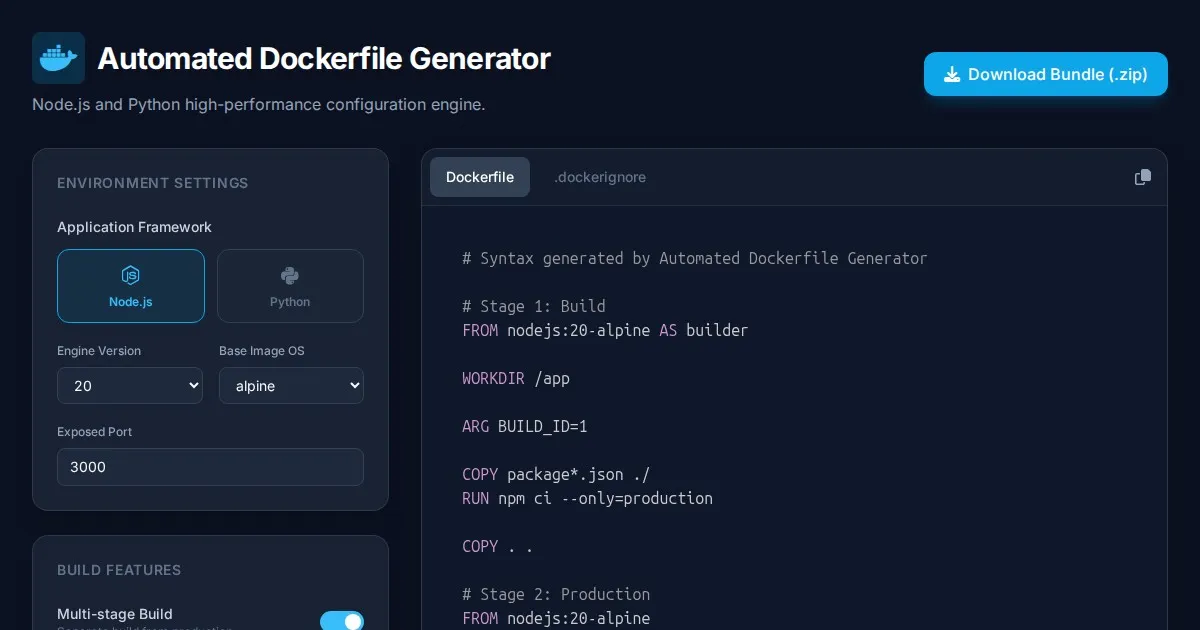
Automated Dockerfile Generator for Node.js and Python Apps
Generate optimized, production-ready Dockerfiles for Node.js and Python applications instantly. Customize base images, port configurations, and dependencies.
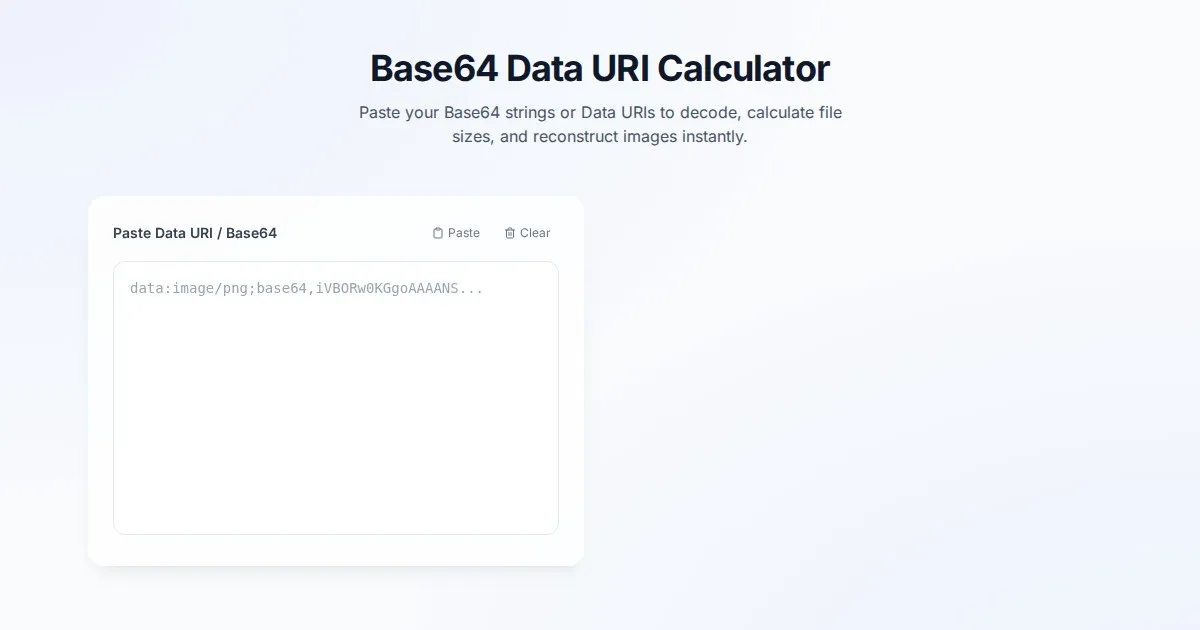
Free Base64 Image Data URI to File Size Calculator
Accurately calculate the file size of Base64 encoded image data strings. This free, web-based tool helps developers estimate binary file sizes for web apps.
Free Online Color Blindness Simulator & Image Filter Tool
Easily simulate color vision deficiencies like protanopia, deuteranopia, and tritanopia. Upload images to test design accessibility for color blindness.
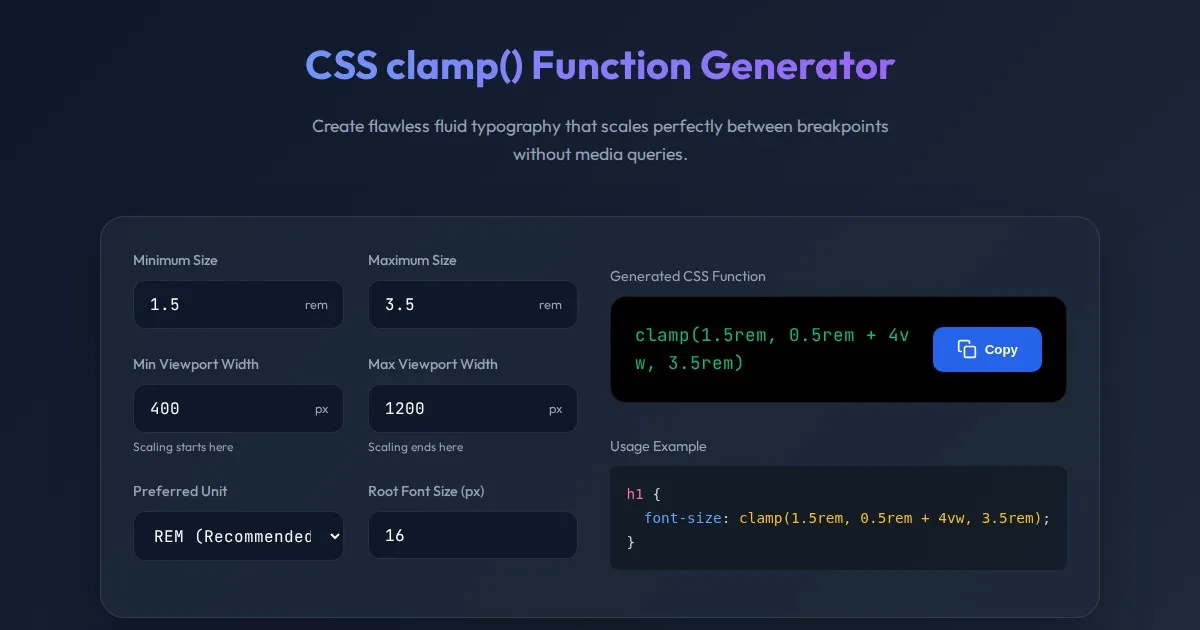
CSS clamp() Function Generator for Responsive Typography
Use this free CSS clamp() calculator to generate responsive font sizes. Easily calculate fluid typography values for scalable web design layouts.
Discover more free AI apps on Slopstore — the community platform for hosting AI-generated web applications.