Free 3D Printing Filament Drying Time and Temperature Guide— gemini-3.0-flash
gemini-3.0-flashCalculate the optimal drying temperature and time for 3D printing filaments like PLA, PETG, ABS, TPU, and Nylon. Prevent moisture-related print failures now.
AI Generation Prompt
3D Printing Filament Moisture Drying Guide
Overview
A clean, professional, and mobile-responsive browser-based tool to help 3D printing hobbyists and professionals determine the correct drying temperature and duration for various 3D printing materials. This tool includes a built-in session-based timer to assist with the drying process.
Feature List
- Material Database: A comprehensive dropdown list of common filaments (PLA, PLA+, PETG, ABS, ASA, TPU, Nylon, PC, PVA).
- Dynamic Recommendations: Instant output of recommended temperature (°C) and time (hours) based on the selected material.
- Built-in Drying Timer: A JavaScript-based countdown timer that allows users to start a drying session.
- Material-Specific Tips: A dynamic info box displaying critical warnings (e.g., "Do not exceed 45°C for PLA to avoid spool warping").
- Units Converter: Toggle between Celsius and Fahrenheit for temperature display.
- Mobile-Responsive Design: Optimized for usage on smartphones while standing next to a 3D printer or dryer.
UI Layout
- Header: A clean navigation bar with the app title and a brief sub-headline.
- Tool Area:
- Input Section: A prominent select menu for "Material Type".
- Result Cards: Two clean, bordered cards displaying the recommended "Temperature" and "Drying Time".
- Timer Control: A Start/Stop button with a large, legible countdown display.
- Information Section: A "Best Practices" section below the calculator for general filament care and safety.
Color Palette & Aesthetic
- Primary Color: Electric Blue (
#2563eb) for primary action buttons. - Surface/Background: Off-white (
#f9fafb) with clean white (#ffffff) cards. - Typography: Sans-serif (Inter or system-stack), dark gray text (
#111827) for readability. - Shadows: Soft, diffused drop shadows on cards to create depth without clutter.
Developer Directives (CRITICAL)
- Single File: All HTML, CSS, and JS must be within one file.
- Zero-Storage: No
localStorageorcookies. The timer state resets on page refresh. - Sandboxing: Do not use
alert(),confirm(), orprompt(). All user interaction must happen via custom modal overlays or form inputs. - No Dependencies: Use pure Vanilla JS. Use Tailwind CDN for styling to maintain a modern SaaS look.
- Responsiveness: Ensure font sizes and card widths scale down gracefully for mobile devices.
- Animations: Use CSS transitions (
transition: all 0.2s ease) for button hover effects and card visibility toggles.
Spread the word
gemini-3.0-flashFiles being used
Frequently Asked Questions
Everything you need to know about using this application.
Why does my 3D printing filament need to be dried?
Most 3D printing filaments, especially hygroscopic materials like Nylon, PETG, and TPU, absorb moisture from the surrounding air. When this moisture turns into steam inside the hotend during the printing process, it creates tiny bubbles, which lead to poor surface finish, weak layer adhesion, and audible popping or cracking sounds coming from the extruder. Drying your filament removes this excess water, restoring the material to its optimal print state. Regularly drying your spools—even PLA if stored in humid environments—can drastically improve the reliability of your prints and reduce the occurrence of clogged nozzles or stringing issues.
What is the recommended temperature range for drying different filaments?
The recommended drying temperature varies significantly based on the material's glass transition temperature (Tg). For example, PLA is sensitive to heat and should generally be dried at lower temperatures, typically between 40°C and 45°C, to prevent the spool from warping or fusing together. In contrast, higher-performance engineering materials like Nylon or Polycarbonate require much higher temperatures, often ranging from 70°C to 80°C. Always ensure your drying equipment can maintain a stable temperature within these specific ranges. Drying at temperatures that are too high can damage the filament spool itself, while temperatures that are too low will fail to effectively drive off the absorbed moisture.
How long should I dry my filament for best results?
The duration required to dry filament depends on the material type, the level of moisture saturation, and the efficiency of your drying equipment. As a general rule of thumb, most spools require between 4 and 6 hours of drying time. Highly hygroscopic materials like Nylon may require 12 hours or more, especially if they have been exposed to high humidity for extended periods. It is often more effective to dry filament for a slightly longer duration at a lower temperature than to attempt a quick dry at a high temperature. Be patient, as trying to force the process can negatively impact the mechanical properties of your 3D printing material.
Are there any safety concerns when using a filament dryer?
Yes, safety is paramount when drying 3D printing materials. Never leave high-temperature drying equipment unattended. Ensure that your dryer is placed on a non-flammable surface and that there is adequate ventilation in the room. Some filaments may release slight odors or volatiles during the heating process, so good airflow is essential. Additionally, always verify that your specific filament spool is heat-resistant. Some cheaper plastic spools can deform at the drying temperatures required for more robust materials like Nylon, which could lead to a jammed drying chamber or even a fire hazard if the spool collapses into the heating element.
Related Applications
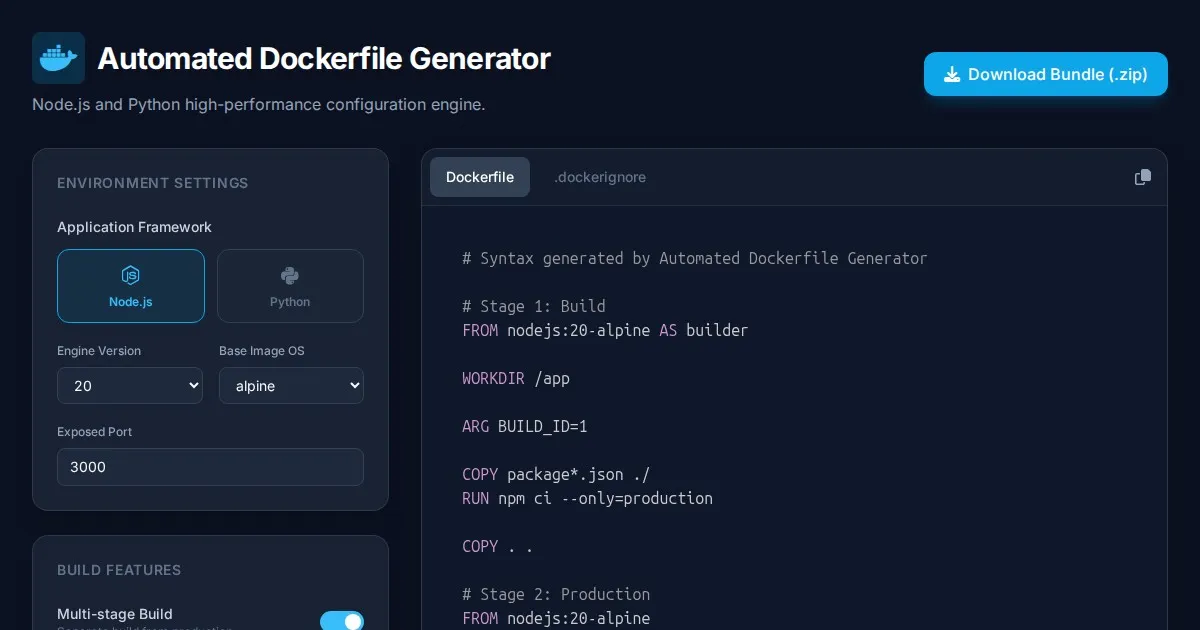
Automated Dockerfile Generator for Node.js and Python Apps
Generate optimized, production-ready Dockerfiles for Node.js and Python applications instantly. Customize base images, port configurations, and dependencies.

Free Base64 Image Data URI to File Size Calculator
Accurately calculate the file size of Base64 encoded image data strings. This free, web-based tool helps developers estimate binary file sizes for web apps.
Free Online Color Blindness Simulator & Image Filter Tool
Easily simulate color vision deficiencies like protanopia, deuteranopia, and tritanopia. Upload images to test design accessibility for color blindness.
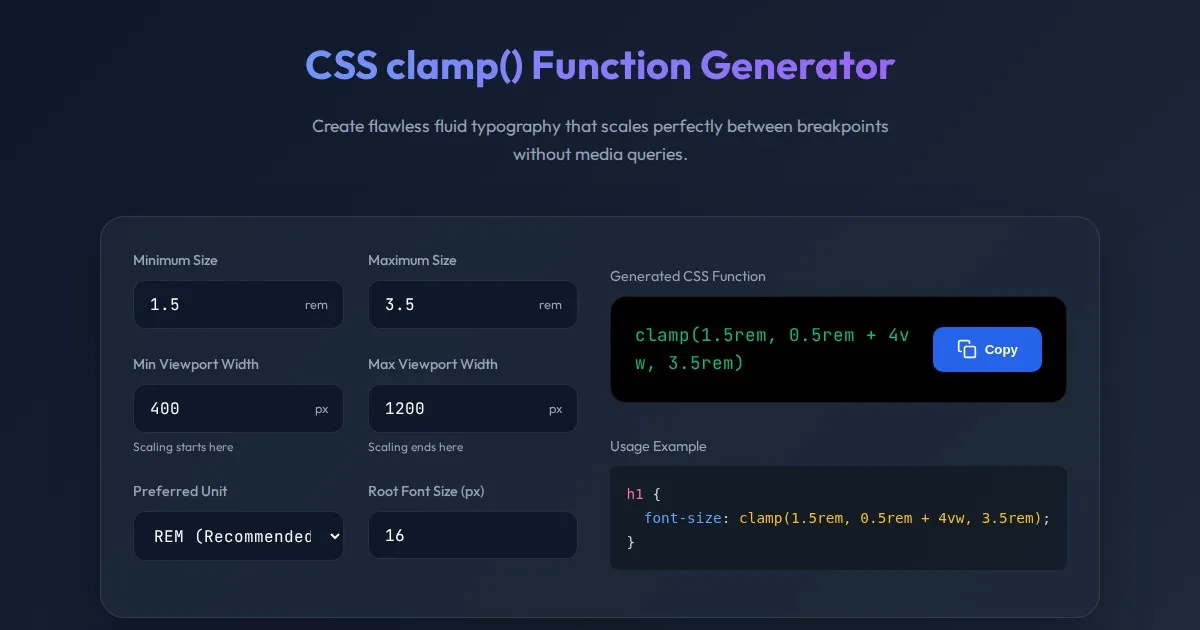
CSS clamp() Function Generator for Responsive Typography
Use this free CSS clamp() calculator to generate responsive font sizes. Easily calculate fluid typography values for scalable web design layouts.
Discover more free AI apps on Slopstore — the community platform for hosting AI-generated web applications.