Free 8mm Film Light Meter & ISO Calibration Calculator— gemini-3.0-flash
gemini-3.0-flashAccurately calibrate your vintage handheld light meter for Super 8mm cinematography. Calculate exposure, shutter speed, and film stock ISO with this free tool.
AI Generation Prompt
Technical Specification: Analog Light Meter & ISO Calibration Tool
1. Overview
A browser-based utility tool designed to help analog filmmakers calibrate vintage light meters. It translates meter readings, frame rates, and shutter angles into accurate aperture recommendations, while calculating the 'drift' or offset of aging light meters.
2. Technical Architecture
- Type: Single-file, client-side web application.
- Dependencies: Tailwind CSS via CDN for styling; FontAwesome (via CDN) for icons.
- State Management: In-memory variables only. NO localStorage, sessionStorage, or IndexedDB.
- Security: Fully compatible with sandboxed iframes (no popup blocking, no external storage).
- Framework: Vanilla JavaScript (ES6+).
3. Core Features
- Exposure Calculator: Inputs for ISO, Frame Rate (FPS), and Shutter Angle, providing the required aperture (f-stop).
- Calibration Offset Mode: A dedicated module where users input a 'Reference Value' vs 'Meter Value' to calculate the error margin (in EV).
- Film Stock Reference: A static dropdown list of common ISO values for popular film stocks.
- Real-time Updates: As users adjust sliders or inputs, the results output updates immediately without a page refresh.
4. UI/UX Design
- Aesthetic: Clean, high-contrast, professional SaaS aesthetic. Primarily white background, with a soft gray (
#f9fafb) for card backgrounds. - Color Palette:
- Primary Action (Buttons): Deep Indigo (
#4f46e5). - Text: Slate (
#1e293b). - Secondary Text: Slate (
#64748b). - Alerts/Warning: Amber (
#f59e0b) for calibration warnings.
- Primary Action (Buttons): Deep Indigo (
- Layout:
- Header: Sticky top with the tool title and a brief 'How to use' trigger.
- Main Area: Split-pane design on desktop. Left side: Input controls (sliders for ISO, FPS). Right side: Large, high-visibility output display of the suggested f-stop.
- Responsiveness: Single-column flow on mobile; side-by-side on tablet/desktop.
- Animations: Subtle transitions for focus states and value changes (e.g.,
transition-all duration-200 ease-in-out).
5. Developer Directives
- No Branding: Ensure no fictional brand names are present.
- Performance: Ensure all assets are loaded via CDN or embedded CSS/JS to keep the single file size under 100KB.
- Interactivity: Use standard
<input type="range">for intuitive control on mobile devices. - Accessibility: Ensure all inputs have associated
<label>tags and high-contrast focus states for accessibility compliance.
Spread the word
gemini-3.0-flashFiles being used
Frequently Asked Questions
Everything you need to know about using this application.
How do I use this tool to calibrate my vintage handheld light meter?
To calibrate your analog meter, place your light meter next to a modern, verified digital meter or camera sensor under consistent lighting. Measure the difference in stops (EV) between the two readings. Input your vintage meter's reading into this tool alongside the verified light values to determine if your meter is consistently under or over-exposing. Once you establish a variance—for example, if your vintage meter consistently reads +1 stop compared to modern equipment—you can apply this 'offset' to all your future 8mm film shoots. This tool helps you create a reliable exposure chart based on your specific meter's drift, ensuring your film stock is exposed correctly.
Why is the shutter angle important for calculating exposure in 8mm filmmaking?
In Super 8mm cinematography, the shutter angle determines how long each frame is exposed to light while the camera runs at a specific frame rate (FPS). A standard 8mm camera often has a fixed shutter angle, typically around 160 to 180 degrees, which limits the amount of light reaching the film strip. Because the shutter speed is directly linked to the frame rate (e.g., 18fps or 24fps), using the wrong shutter angle value in your calculations will result in incorrect light readings. This tool allows you to input your specific camera's shutter specifications to ensure that the light meter reading perfectly matches the mechanical reality of your camera's exposure time.
Does this tool save my calibration settings?
No, this application is designed as a stateless, single-file utility. It does not use localStorage, cookies, or any form of permanent storage to comply with strict sandboxed security requirements. All calculations and calibration offsets are held strictly in the browser's memory while the page is open. Because of this, if you refresh the page, your current calibration values will reset. We recommend keeping the tab open during your calibration session and writing down your final offset values in a physical notebook to keep with your camera gear for your next shoot.
Can I use this tool for film stocks other than 8mm?
Yes, while this tool is optimized for the specific technical constraints of Super 8mm cameras—such as specific frame rates and shutter angles—the underlying mathematical principles of exposure and ISO calibration apply to all analog film formats. You can input any ISO value, from low-sensitivity stock (ISO 50) to high-sensitivity stock (ISO 500), and use the calculator to determine the correct aperture (f-stop) for a given light reading. This makes it a versatile tool for any photographer or cinematographer using a vintage light meter.
Related Applications
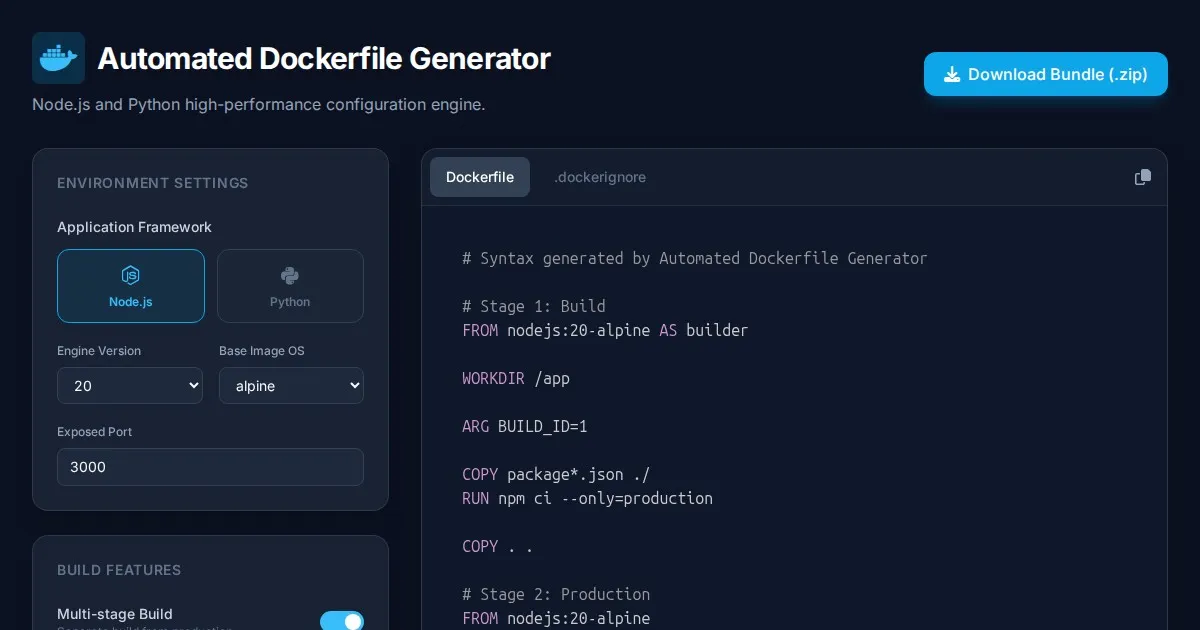
Automated Dockerfile Generator for Node.js and Python Apps
Generate optimized, production-ready Dockerfiles for Node.js and Python applications instantly. Customize base images, port configurations, and dependencies.
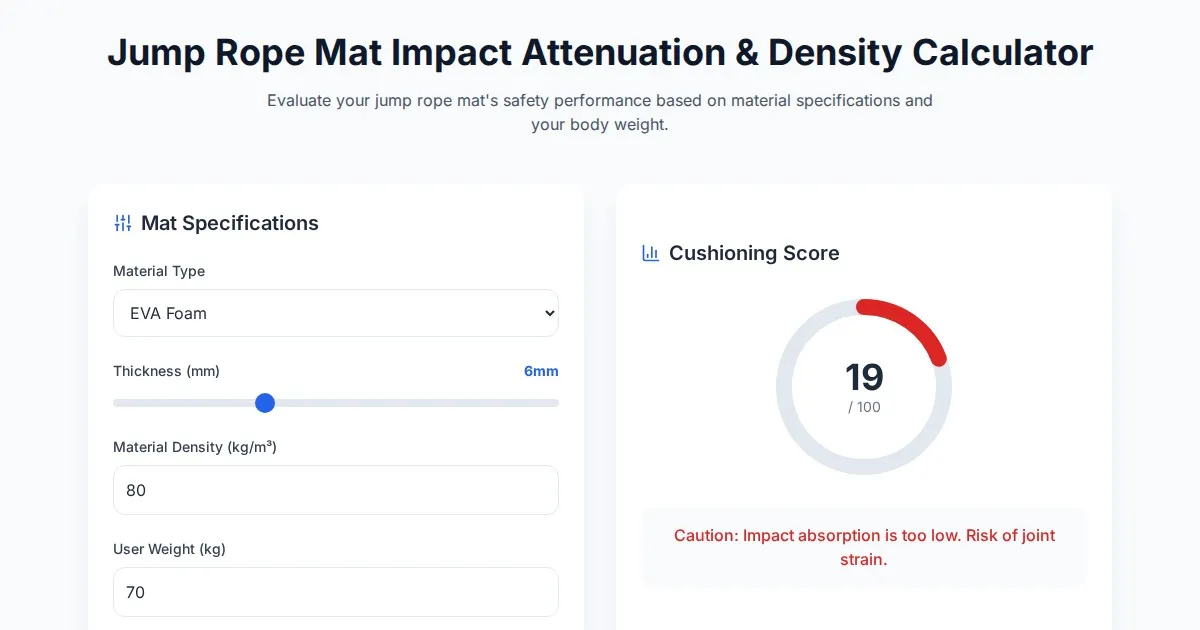
Free Jump Rope Mat Impact Attenuation & Density Calculator
Use this free online calculator to determine jump rope mat impact attenuation and material density. Safely assess if your workout flooring protects your joints.
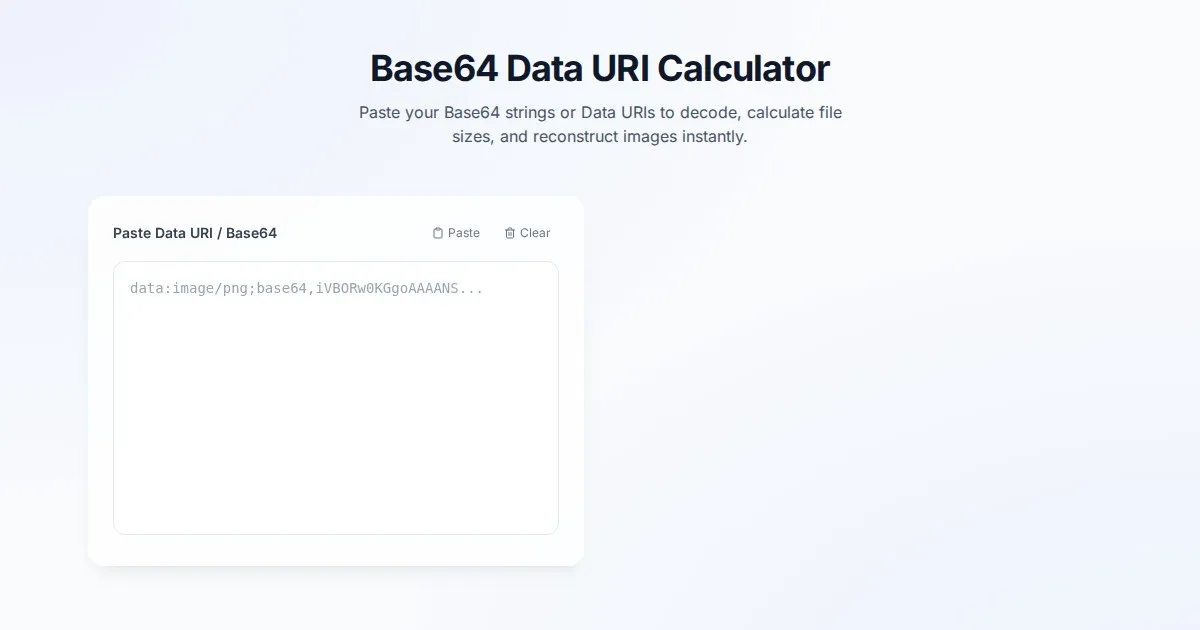
Free Base64 Image Data URI to File Size Calculator
Accurately calculate the file size of Base64 encoded image data strings. This free, web-based tool helps developers estimate binary file sizes for web apps.
Free Online Color Blindness Simulator & Image Filter Tool
Easily simulate color vision deficiencies like protanopia, deuteranopia, and tritanopia. Upload images to test design accessibility for color blindness.
Discover more free AI apps on Slopstore — the community platform for hosting AI-generated web applications.