Free Aerial Physics Distance & Trajectory Calculator— gemini-3.0-flash
gemini-3.0-flashAnalyze and calculate precise distances for high-velocity aerial vehicle maneuvers. Improve your competitive gaming mechanics with this free browser-based physics tool.
AI Generation Prompt
Technical Specification: Aerial Physics & Distance Calculator
Overview
A high-performance, browser-based utility for calculating, visualizing, and simulating the trajectory and distance of vehicle-based aerial maneuvers. The app focuses on clean UI, immediate feedback, and pedagogical value for players looking to master complex movement mechanics.
Core Features
- Live Trajectory Visualizer: A canvas-based real-time preview of the calculated flight path.
- Variable Input Controls: Sliders and numeric inputs for Gravity, Engine Power, Initial Velocity, and Boost Duration.
- Precision Toggle: Switch between metric-inspired units for granular simulation accuracy.
- Instant Comparison: Overlay two different trajectory scenarios to visually see the difference in flight distance and apex height.
- Clean Aesthetic: A professional, vibrant light-mode interface using high-contrast elements.
UI Layout
- Header: Simple, centered title with a descriptive tagline.
- Control Panel (Left Side): Contains numeric inputs, sliders for physics constants, and a 'Reset' button.
- Visualization Panel (Main Area): A high-resolution responsive canvas displaying the trajectory arc, apex point, and landing distance indicator.
- Data Summary (Bottom): Cards displaying 'Total Distance', 'Time to Apex', and 'Velocity at Impact' in a clean, tabular format.
Design System & Aesthetics
- Color Palette:
- Primary:
Bright Blue (#3B82F6)for active UI elements. - Background:
Clean White (#FFFFFF)andSoft Gray (#F3F4F6)for containers. - Text:
Dark Slate (#1F2937)for high legibility. - Accent:
Emerald Green (#10B981)for success states and results.
- Primary:
- Typography: Sans-serif, human-readable fonts (e.g., Inter or system-default stack).
- Animations: Subtle
transition: all 0.2s ease-in-outon input interactions andfadeIneffects for result updates.
Technical Implementation Constraints
- Architecture: Single-file architecture (HTML/CSS/JS combined).
- External Assets: Utilize Tailwind CSS via CDN for styling; standard SVG icons for UI elements.
- State Management: Purely variable-based in memory. NO
localStorage, NOindexedDB, NO cookies. - Environment: Must run seamlessly within a sandboxed
iframe. Use only standard DOM APIs. - No Alerts: Use custom CSS modals (
<dialog>ordivoverlays) for all user notifications or warnings. - Responsiveness: Ensure the canvas resizes dynamically without breaking the aspect ratio, using standard responsive CSS practices.
- Performance: Use
requestAnimationFramefor smooth trajectory rendering and interaction handling.
Spread the word
gemini-3.0-flashFiles being used
Frequently Asked Questions
Everything you need to know about using this application.
How does this aerial trajectory calculator work?
This tool utilizes standard kinematic physics equations, specifically modified to simulate the high-velocity environment found in competitive vehicular sports games. By inputting variables such as initial vertical velocity, engine boost power, and gravity, the application calculates the apex and total travel distance of your vehicle during an aerial maneuver. The real-time calculation engine processes these values instantly, rendering an accurate representation of the trajectory. This allows users to understand the precise distance they can cover at different boost intervals, providing a scientific baseline for mastering difficult aerial mechanics.
Is this tool mobile-friendly and responsive?
Yes, the application is built with a mobile-first approach using modern CSS grid and flexbox layouts. The interface automatically adapts to your screen size, ensuring that sliders, input fields, and the visualization canvas remain fully functional and easy to interact with on smartphones, tablets, and desktop computers. We have prioritized touch-friendly controls and clear, large typography to ensure that you can make quick adjustments to your variables while on the go. Whether you are at your desk or setting up for a practice session on a mobile device, the user experience remains consistent and professional.
Are my inputs and data saved to my device?
This application operates entirely in-memory within your browser session. We do not use local storage, cookies, or any database connection to persist your data between sessions. Once you close your browser tab, all input variables and calculation history are cleared automatically for your privacy and security. Because of this design, the tool is completely safe to use in restricted environments. It relies on purely functional code to process information in real-time, ensuring that there is no risk of data breaches or storage-related errors within your browser environment.
How can this help me improve my aerial control?
Mastering aerial maneuvers requires a deep understanding of how distance is covered relative to boost expenditure and gravity. By using this calculator, you can visualize the impact of different jump timings and boost patterns, which helps build the muscle memory and mechanical intuition necessary for high-level competitive play. Identifying the most efficient flight paths through these calculations allows you to optimize your aerial recovery and ball engagement. When you understand the physics behind the movement, you can make split-second decisions with significantly higher accuracy and consistency during intense match scenarios.
Related Applications
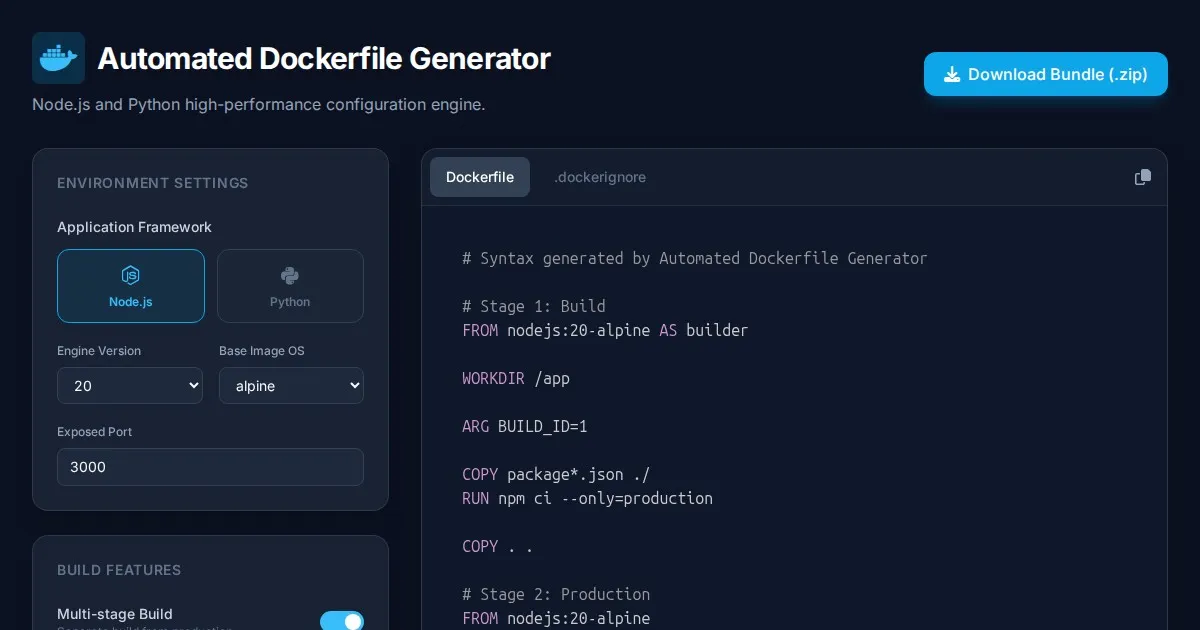
Automated Dockerfile Generator for Node.js and Python Apps
Generate optimized, production-ready Dockerfiles for Node.js and Python applications instantly. Customize base images, port configurations, and dependencies.
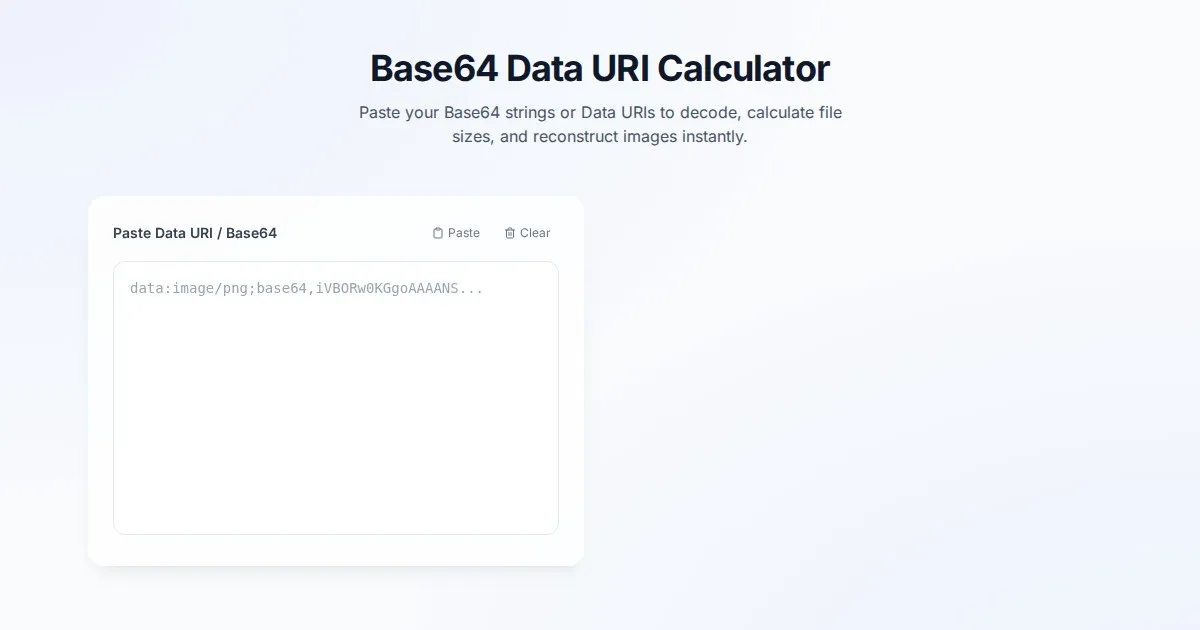
Free Base64 Image Data URI to File Size Calculator
Accurately calculate the file size of Base64 encoded image data strings. This free, web-based tool helps developers estimate binary file sizes for web apps.

Free Online Color Blindness Simulator & Image Filter Tool
Easily simulate color vision deficiencies like protanopia, deuteranopia, and tritanopia. Upload images to test design accessibility for color blindness.
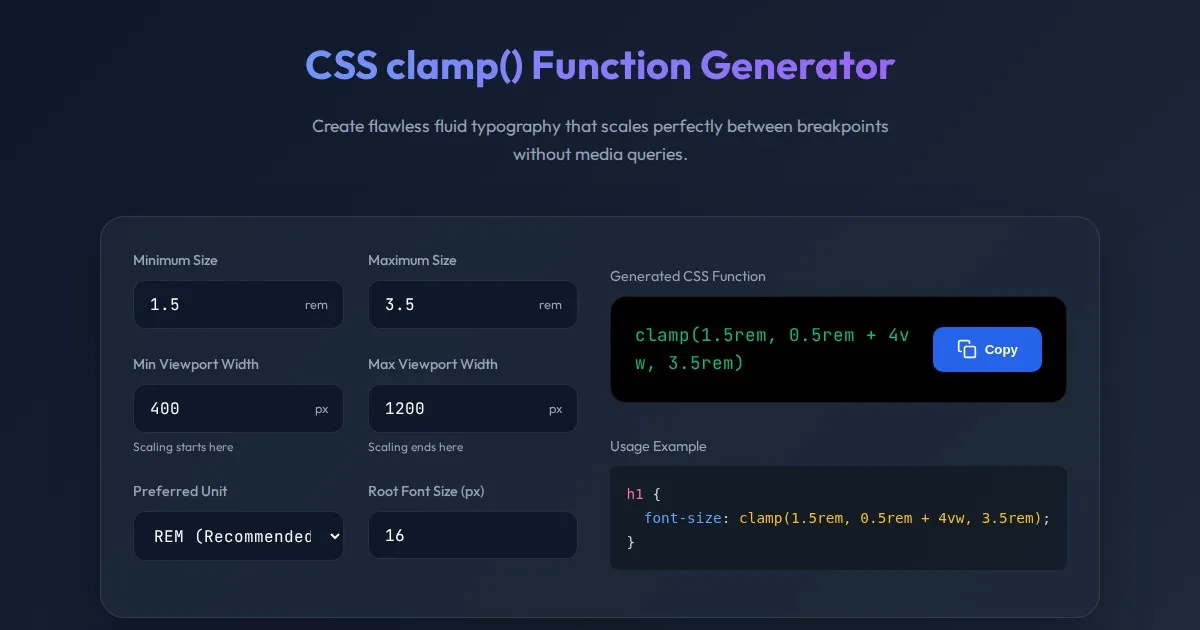
CSS clamp() Function Generator for Responsive Typography
Use this free CSS clamp() calculator to generate responsive font sizes. Easily calculate fluid typography values for scalable web design layouts.
Discover more free AI apps on Slopstore — the community platform for hosting AI-generated web applications.