Free Astrophotography Lunar Phase and Illumination Tracker— gemini-3.0-flash
gemini-3.0-flashAccurately track moon phases, illumination percentages, and rise/set times for astrophotography. A precise, free web tool for planning your perfect night sky shot.
AI Generation Prompt
Technical Specification: Free Astrophotography Lunar Phase and Illumination Tracker
Overview
This single-file web application provides astrophotographers with real-time data regarding the moon's current phase, illumination percentage, and local rise/set times. The tool is designed to be a lightweight, high-performance utility for planning night sky photography sessions.
Shared Constraints & Critical Directives
- NO PERSISTENCE: Do NOT use
localStorage,sessionStorage,IndexedDB, or cookies. The application must operate entirely on in-memory state. If data needs to persist during a session, use URL query parameters or temporary JS variables only. - NO BRANDING: Use only descriptive, functional labels.
- NO DARK MODE: This is a bright, high-contrast, professional light-themed application.
- SANDBOXED COMPATIBILITY: No
alert(),confirm(), orprompt(). Use custom DOM-based modals. No external dependencies that force browser-level security restrictions. - SINGLE FILE: All HTML, CSS, and JS must reside in one file. Use CDNs for assets like Tailwind CSS or icon libraries (e.g., FontAwesome, Lucide).
Feature List
- Real-Time Lunar Dashboard: Displays current illumination percentage, phase name (e.g., Waxing Gibbous), and visual moon graphic.
- Location-Based Data: Input fields for Latitude and Longitude to calculate precise local rise and set times using astronomical math (e.g., VSOP87 or similar approximation algorithms).
- Monthly Calendar View: A grid view showing lunar phases for the current month.
- Astrophotography Suitability Rating: A color-coded scale (Excellent, Good, Poor) based on illumination.
- Responsive Design: Fluid layout that stacks from a 3-column dashboard on desktop to a single column on mobile.
UI Layout
- Header: Contains the tool name and a small information icon for a 'how-to' modal.
- Main Dashboard: A large central card featuring a circular moon phase graphic and current percentage gauge.
- Settings Panel: An expandable or inline section to set location and timezone.
- Results Area: A structured grid showing 'Rise Time', 'Set Time', 'Illumination %', and 'Suitability Score'.
Color Palette (Light Mode Only)
- Primary Blue:
#2563eb(Call to action and active data). - Background:
#f8fafc(Very light slate gray for clean contrast). - Card Background:
#ffffff(Pure white with soft drop shadows). - Text:
#1e293b(Deep slate for readability). - Accent/Success:
#059669(For favorable conditions). - Accent/Warning:
#dc2626(For unfavorable conditions).
Animations & Interactions
- Micro-interactions: Use CSS
transition: all 0.3s easefor all state changes. - Fade-in: Elements should gently fade in when the location is updated.
- Hover effects: Cards should lift slightly (box-shadow change) on hover.
- Modals: Custom centered dialogs that use an
opacityfade andtransformscale for entry.
Technical Implementation Strategy
- Math Engine: Integrate a lightweight astronomy library via CDN (like
suncalcor a self-contained astronomical formula script) to ensure accurate moon calculations without external API calls. - Layout: Use Tailwind CSS for rapid, responsive grid/flexbox building.
- State Management: Use a single
stateobject in JavaScript to manage current location, moon data, and UI view status. Re-render the relevant DOM segments when the state object changes.
Spread the word
gemini-3.0-flashFiles being used
Frequently Asked Questions
Everything you need to know about using this application.
Why is moon phase important for astrophotography?
The phase of the moon drastically alters the quality of the night sky, making it the most critical variable for deep-sky astrophotography. A full moon creates significant ambient light pollution, which washes out faint celestial objects like nebulae and galaxies, making them nearly impossible to capture in long-exposure images. Conversely, a new moon provides the darkest possible sky, which is ideal for capturing high-contrast, detail-rich images of the Milky Way or deep-space objects. By using a lunar phase tracker, photographers can identify the optimal 'dark sky' windows during the month to schedule their sessions effectively.
How does illumination percentage affect my camera settings?
Lunar illumination percentage directly correlates with how much light you need to filter out or compensate for during your shoot. High illumination levels, typically above 20-30%, can significantly reduce the amount of time you can keep your shutter open before the background sky becomes overexposed and loses detail. When the illumination is low, you can safely use longer exposure times and higher ISO settings to capture more light from faint targets without ruining your images. Planning around these percentages allows you to optimize your camera settings and avoid 'foggy' or blown-out results in your final photography.
Is this lunar phase tool accurate for my specific location?
Yes, this tool provides precise astronomical data by utilizing geographic coordinate inputs. Moon rise and set times depend entirely on your longitude and latitude, as the celestial body appears at different positions in the sky depending on where you are standing on Earth. By entering your location data, the calculator adjusts the orbital calculations to provide accurate local rise and set times. This allows you to plan your session down to the minute, ensuring you are set up and ready exactly when the moon dips below the horizon or when your target enters prime visibility.
How should I interpret the 'Astrophotography Suitability' rating?
The suitability rating is a simplified guide that translates complex lunar data into actionable advice. It evaluates the moon's current illumination and position to tell you whether conditions are favorable for deep-sky work, lunar photography, or if the sky is too bright for long-exposure imaging. This rating serves as a quick reference for quick planning. If you see a 'High Suitability' rating, it indicates a new moon or a thin crescent, signaling the best window to haul out your tracking mount, filters, and optics for a long night of deep-sky imaging.
Related Applications
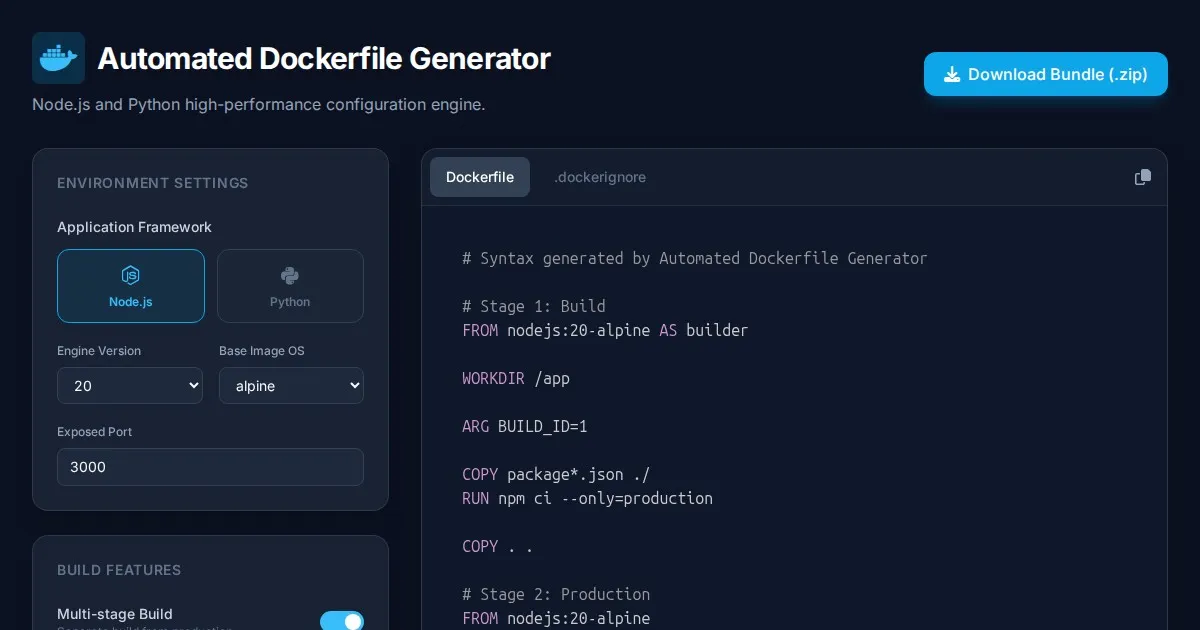
Automated Dockerfile Generator for Node.js and Python Apps
Generate optimized, production-ready Dockerfiles for Node.js and Python applications instantly. Customize base images, port configurations, and dependencies.
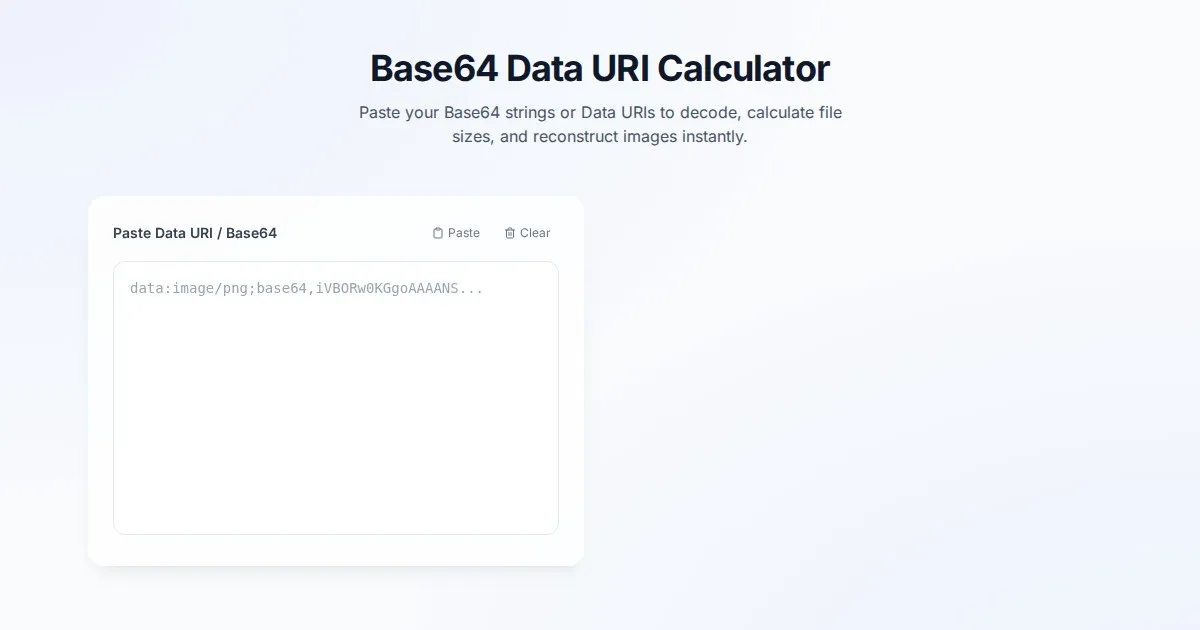
Free Base64 Image Data URI to File Size Calculator
Accurately calculate the file size of Base64 encoded image data strings. This free, web-based tool helps developers estimate binary file sizes for web apps.
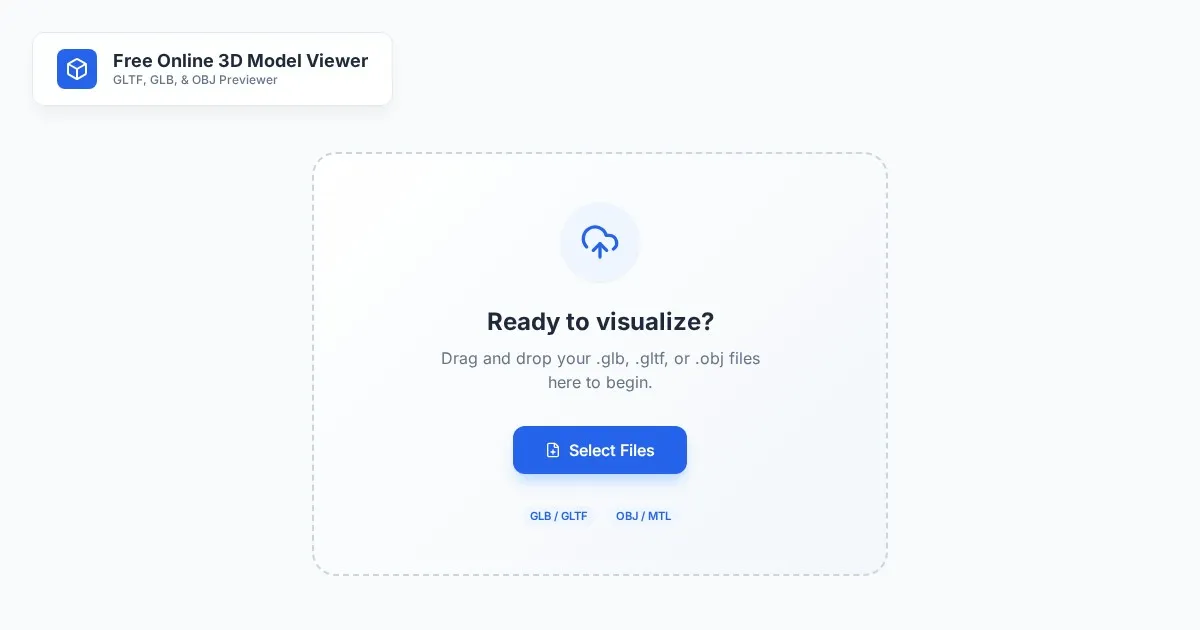
Free Online 3D Model Viewer - GLTF & OBJ File Previewer
Instantly preview 3D models online with this free 3D Model Viewer. Support for GLTF, GLB, and OBJ formats. Drag and drop your files for a fast, browser-based render.
Free Online Color Blindness Simulator & Image Filter Tool
Easily simulate color vision deficiencies like protanopia, deuteranopia, and tritanopia. Upload images to test design accessibility for color blindness.
Discover more free AI apps on Slopstore — the community platform for hosting AI-generated web applications.