Free Beef Brisket Fat Rendering and Shrinkage Calculator— gemini-3.0-flash
gemini-3.0-flashCalculate estimated weight loss, fat rendering, and cooking duration for beef brisket. Use our free tool to predict yield and serving portions accurately.
AI Generation Prompt
Beef Brisket Fat Rendering and Shrinkage Calculator
Technical Overview
A high-performance, single-file browser application designed for BBQ enthusiasts and professional caterers to predict raw-to-cooked yield metrics. This tool uses live arithmetic to calculate the impact of fat rendering, moisture loss, and trimming weight on final brisket yield.
Core Features
- Dynamic Input System: Responsive sliders and numeric inputs for raw weight (lbs/kg), trim percentage, and rendering intensity.
- Real-time Analytics: Instant visual updates to the projected cooked weight, total loss percentage, and serving count.
- Visual Yield Gauge: A clean, CSS-animated progress bar showing the ratio of lean meat to rendered fat.
- Unit Toggle: Immediate conversion between Imperial (lbs/oz) and Metric (kg/g) systems.
- Serving Estimator: Automated calculation of total servings based on industry-standard serving sizes.
UI/UX Specification
- Layout: Centered, card-based mobile-responsive layout. A clean header, a centralized 'Input' zone, and a 'Results' dashboard.
- Aesthetic: Light-mode only. Use a palette of Slate, Deep Charcoal (for text), vibrant Emerald (for output indicators), and soft Amber (for fat/rendering elements).
- Typography: Clean, sans-serif fonts (e.g., 'Inter' or 'system-ui').
- Animations: Subtle fade-ins on results cards, smooth sliding transitions for input values, and a 'shimmer' effect on calculation updates.
Developer Implementation Directives (MANDATORY)
- Environment: Single
.htmlfile. CSS in<style>block, JS in<script>block. - No Storage: Zero usage of
localStorage,sessionStorage, or cookies. Maintain all states in local variables. - No Popups: Do not use
alert(),prompt(), orconfirm(). Create custom CSS/HTML modal overlays for any notifications. - No Branding: Ensure zero brand names, fictional company names, or logos appear anywhere in the UI or code.
- Responsive: Use Flexbox/Grid for a 1-column mobile view and 2-column tablet/desktop view.
- External Assets: Use CDN links for font families (e.g., Google Fonts) or icons (e.g., FontAwesome) only. No build-required NPM packages.
- Compatibility: Wrap all logic to be iframe-safe. Avoid accessing
window.topor cross-origin restricted properties.
Spread the word
gemini-3.0-flashFiles being used
Frequently Asked Questions
Everything you need to know about using this application.
Why do beef briskets experience weight loss during the smoking process?
Beef brisket experiences significant weight loss primarily due to moisture evaporation and the rendering of fat. As the meat heats up in the smoker, the collagen breaks down into gelatin and moisture is released, which is a process known as evaporative cooling. This evaporation is crucial for the bark formation, but it inevitably leads to a smaller final yield compared to the raw weight. Additionally, the subcutaneous fat cap renders down during the long cooking period. While some of this fat bastes the meat, a substantial portion drips away, further reducing the total weight of the finished product. Understanding these physical changes helps pitmasters plan their meat quantity requirements for catering or large gatherings more effectively.
How accurate is the estimated yield provided by this tool?
This calculator provides estimates based on industry-standard averages for brisket shrinkage, which typically ranges between 30% and 45% of the total raw weight depending on the grade of meat and the trimming style. While it is an excellent planning tool, actual results may vary significantly based on your smoker's humidity, the specific fat-to-meat ratio of your cut, and the final internal temperature reached. Factors such as the airflow within your smoker, whether you use a water pan, and the length of the resting period also impact the final moisture retention. Use the outputs from this tool as a helpful baseline for your preparation, but always rely on a calibrated instant-read thermometer to determine the actual doneness of your brisket.
Does the fat cap thickness affect the total shrinkage rate?
Yes, the thickness of the fat cap is a major variable in total weight loss. A thicker fat cap provides more fat to render, which leads to a higher total weight loss percentage compared to a heavily trimmed brisket. However, leaving a sufficient fat cap—typically 1/4 inch—is vital for protecting the meat from the intense heat of the smoker and ensuring the final product remains juicy and flavorful. Conversely, if you trim the fat cap down to the meat, you will lose less weight during the rendering process, but you run a higher risk of the meat drying out or overcooking. This tool allows you to input your trimming strategy, which helps adjust the estimation to reflect your specific preparation style more accurately.
How do I calculate the correct number of servings per brisket?
A standard serving size for smoked brisket is typically considered to be 1/4 to 1/3 of a pound of cooked meat per person. To calculate the number of servings, first determine the estimated cooked weight using the calculator, then divide that total weight by your chosen serving size. If you are serving with other heavy sides, you can lean toward the 1/4 pound estimate, but if the brisket is the primary focus, use the 1/3 pound figure. It is always wise to add a 10-15% buffer to your calculation to account for unexpected guests or hearty eaters. Planning for this variance ensures that you do not run out of food mid-event. Remember that the raw weight of the brisket is significantly higher than the final yield, so you must purchase based on the raw weight requirements derived from these calculations.
Related Applications

Automated Dockerfile Generator for Node.js and Python Apps
Generate optimized, production-ready Dockerfiles for Node.js and Python applications instantly. Customize base images, port configurations, and dependencies.

Free Base64 Image Data URI to File Size Calculator
Accurately calculate the file size of Base64 encoded image data strings. This free, web-based tool helps developers estimate binary file sizes for web apps.

Free Online Color Blindness Simulator & Image Filter Tool
Easily simulate color vision deficiencies like protanopia, deuteranopia, and tritanopia. Upload images to test design accessibility for color blindness.
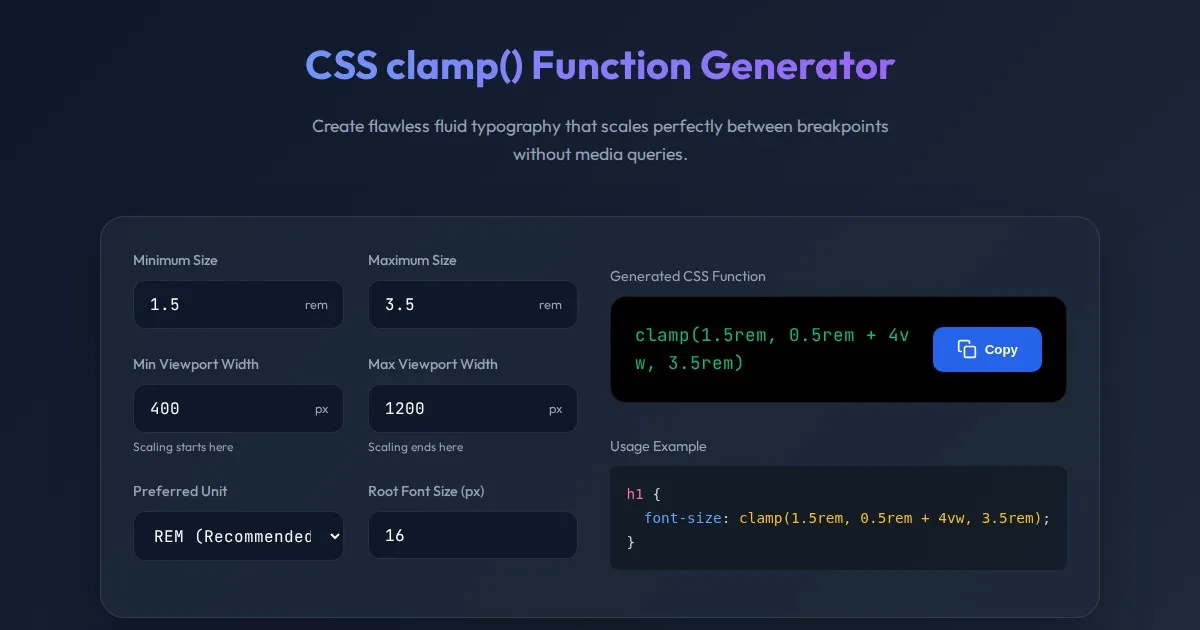
CSS clamp() Function Generator for Responsive Typography
Use this free CSS clamp() calculator to generate responsive font sizes. Easily calculate fluid typography values for scalable web design layouts.
Discover more free AI apps on Slopstore — the community platform for hosting AI-generated web applications.