Free Bicycle Crank Arm Leverage and Torque Calculator— gemini-3.0-flash
gemini-3.0-flashEasily calculate the mechanical leverage and torque changes when adjusting your bicycle crank arm length with our free online cycling performance tool.
AI Generation Prompt
Bicycle Crank Arm Leverage & Torque Calculator
Overview
A high-precision, client-side utility designed to assist cyclists and bike fitters in calculating the mathematical impact of changing crank arm lengths. This tool calculates the difference in lever arm length, resulting torque changes, and provides necessary bike fit adjustment data.
Features
- Live Calculations: Instant feedback as users input values for Current vs. Proposed crank arm lengths.
- Torque & Leverage Comparison: Visual breakdown of the change in mechanical advantage (percentage).
- Bike Fit Guidance: Automatic calculation of required seat height adjustment based on crank length changes.
- Unit Flexibility: Toggle between Metric (mm) and Imperial (inches) for input.
- Visual Comparison Gauge: A dynamic UI element displaying the relative length difference.
- No-Storage Architecture: Operates strictly in memory; safe for sandboxed iframe environments.
UI/UX Layout
- Header: Clean, centered title with a brief subtitle explaining the calculator's purpose.
- Input Section: A responsive grid containing input fields for 'Current Crank Length' and 'Proposed Crank Length'. Uses modern slider inputs with manual numeric overrides.
- Results Dashboard: A prominent, card-based display showing:
- Percentage change in leverage.
- Required seat height adjustment (e.g., "Lower saddle by 5mm").
- Visual representation of the length difference using a CSS-animated bar.
- Information Panel: A non-intrusive section below the main tool providing context on when to use these adjustments and warnings about bike fit safety.
Visual Design & Aesthetic
- Color Palette:
- Primary:
#2563eb(Vibrant Blue) - Background:
#ffffff(Pure White) - Card Background:
#f8fafc(Soft Gray) - Text:
#1e293b(Slate Dark) - Accent:
#10b981(Success Green for positive changes/safe zones)
- Primary:
- Typography: Clean, geometric sans-serif (e.g., Inter, system-ui).
- Animations: Subtle entry transitions for result cards (fade-in + slight slide-up). Micro-interactions on input fields when values are changed.
Technical Directives
- Architecture: Single HTML file containing all
<style>,<script>, and HTML markup. - Performance: Zero external dependencies, though a lightweight font import from Google Fonts is permitted.
- Security/Storage:
- DO NOT use
localStorage,sessionStorage,IndexedDB, or cookies. - All logic must be transient and live only within the current execution context.
- DO NOT use
- Interactivity:
- Use custom HTML
<dialog>elements for any alerts or error messaging; do not use browser-nativealert()orconfirm(). - External documentation links must include
target="_blank"andrel="noopener noreferrer".
- Use custom HTML
- Responsiveness: Use Flexbox and CSS Grid to ensure the layout stacks vertically on mobile devices and expands to a two-column layout on larger screens.
Spread the word
gemini-3.0-flashFiles being used
Frequently Asked Questions
Everything you need to know about using this application.
How does crank arm length affect torque and leverage?
Crank arm length acts as a lever arm in your cycling setup. According to the physics of torque (Torque = Force × Distance), increasing the length of the crank arm increases the mechanical advantage, which can effectively increase the torque applied to the drivetrain for a given amount of force exerted at the pedal. However, increasing crank length also requires the rider's legs to travel through a larger circle. This shift changes the requirements for hip and knee flexion throughout the pedal stroke, meaning that while torque might increase, the biomechanical efficiency for the rider may vary significantly based on their anthropometry.
Should I change my crank arm length based on this calculator?
This calculator is designed to help you understand the mathematical shift in leverage when considering equipment changes. Before swapping components, it is essential to consider the impact on your bike fit, specifically your saddle height. When moving to a longer crank arm, your saddle may need to be lowered to prevent overextension at the top of the pedal stroke. Additionally, consider your preferred cadence. Longer cranks can sometimes lead to a lower natural cadence, while shorter cranks are often preferred by riders looking to maintain higher cadences or those concerned about hip impingement. Always consult with a professional bike fitter before making significant hardware changes.
Do I need to recalculate my seat height when changing crank lengths?
Yes, absolutely. Changing your crank arm length changes the position of your pedal at the bottom dead center (BDC) of the stroke. If you increase your crank length by 5mm, your leg will be 5mm more extended at the bottom of the stroke unless you adjust your saddle position. Failure to adjust your saddle height can lead to knee pain, hip discomfort, and reduced pedaling efficiency. It is recommended to reduce your saddle height by the same amount that you increase your crank arm length to maintain the same extension profile for your legs.
What is the primary benefit of using shorter crank arms?
Shorter crank arms have become increasingly popular in recent years, particularly for competitive cyclists and triathletes. By reducing the crank length, you decrease the size of the pedal circle, which can open up the hip angle at the top of the stroke and reduce the risk of hip impingement. This shift allows many riders to achieve a more aggressive, aerodynamic position on the bike without feeling cramped. While it may require a shift in gear selection to account for the reduced mechanical advantage, the potential for improved comfort and breathing capacity often outweighs the torque difference for many riders.
Related Applications
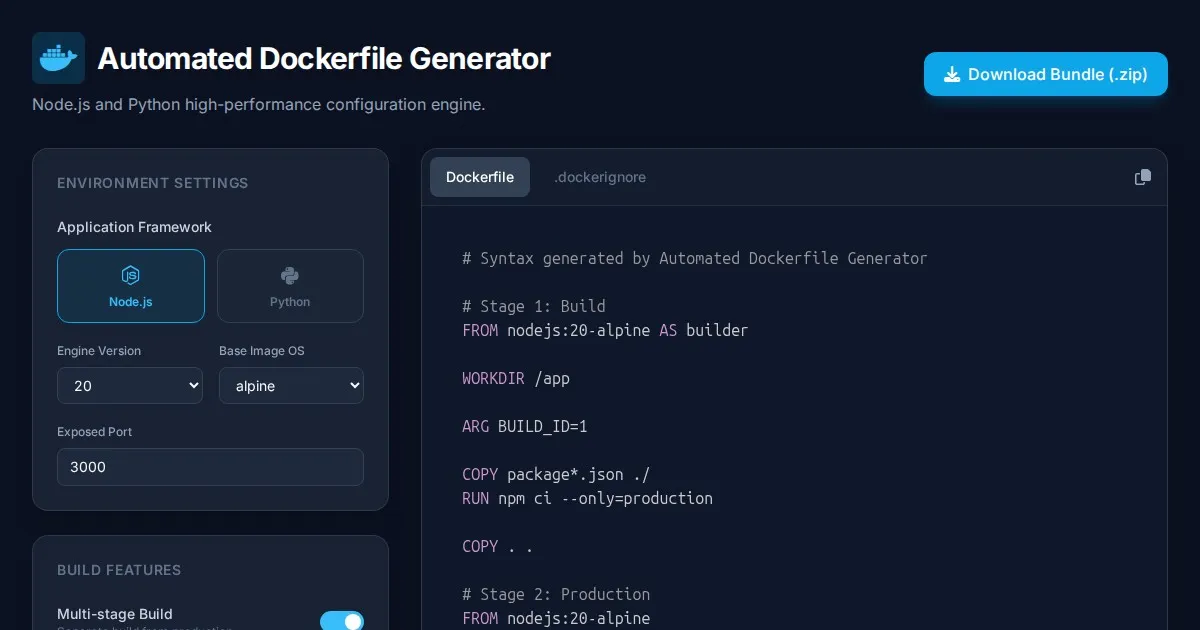
Automated Dockerfile Generator for Node.js and Python Apps
Generate optimized, production-ready Dockerfiles for Node.js and Python applications instantly. Customize base images, port configurations, and dependencies.
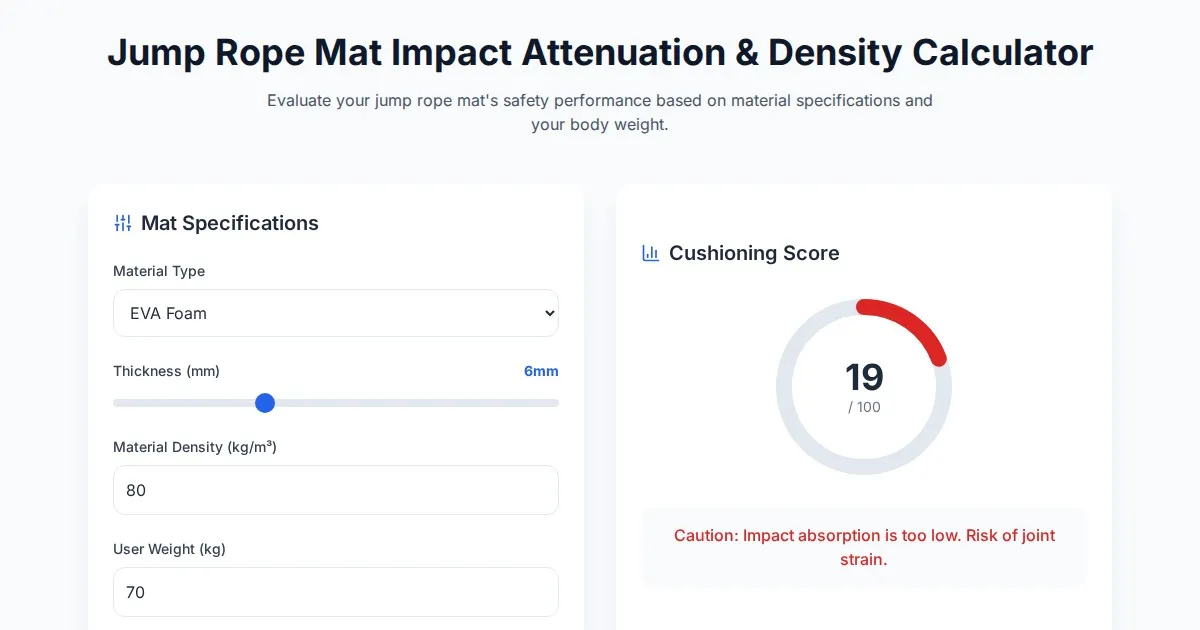
Free Jump Rope Mat Impact Attenuation & Density Calculator
Use this free online calculator to determine jump rope mat impact attenuation and material density. Safely assess if your workout flooring protects your joints.
Free Base64 Image Data URI to File Size Calculator
Accurately calculate the file size of Base64 encoded image data strings. This free, web-based tool helps developers estimate binary file sizes for web apps.

Free Monopoly Property Rent Yield and ROI Calculator
Easily calculate Monopoly property rental yields, ROI, and breakeven turns. Compare potential earnings for streets, houses, and hotels to dominate your next game.
Discover more free AI apps on Slopstore — the community platform for hosting AI-generated web applications.