Free BPM to Millisecond Delay Time Calculator— gemini-3.0-flash
gemini-3.0-flashCalculate precise delay times in milliseconds based on your track's BPM. Perfect for music production, sound design, and live performance synchronization.
AI Generation Prompt
BPM to Millisecond Delay Time Calculator
Overview
A high-precision, responsive browser-based utility designed for music producers, audio engineers, and live performers. This tool converts any Tempo (BPM) into accurate Millisecond (ms) values for common musical note divisions (1/4, 1/8, 1/16, etc.), including triplets and dotted notes.
Technical Architecture
- Type: Single-file, client-side web application.
- Dependencies: Tailwind CSS via CDN for styling; Vanilla JavaScript for core logic.
- State Management: In-memory variables only. Strictly no localStorage or sessionStorage to ensure compatibility with sandboxed iframes.
- Design: Modern, clean, professional light-mode aesthetic.
Feature List
- Dynamic BPM Input: Slider (range 30-300 BPM) and text input with real-time validation.
- Rhythmic Selector: A clear grid of selectable note values (1/1 to 1/64, including dotted and triplet variations).
- Precision Display: Large, easy-to-read result output (e.g., "375.00 ms") with a one-click 'Copy to Clipboard' button.
- Visual Sync Indicator: A small, animated visual pulse bar that oscillates at the calculated millisecond interval, providing instant visual feedback that the tempo feels 'right'.
- Responsive Layout: Optimized for mobile touchscreens (large hit targets) and desktop browser sidebars.
- No-Click Navigation: Results update instantaneously as the user drags the BPM slider or selects new note values.
UI Layout
- Header: Clean title area with a minimal description of function.
- Main Interface Area:
- Top: BPM Input (Slider + Number input).
- Middle: A responsive 'Note Grid' button group (Quarter, Eighth, Sixteenth, etc.).
- Bottom: Results panel with the main output and secondary 'Copy' action.
- Visualizer Area: A subtle horizontal pulse bar centered below the result.
Design & Aesthetics
- Color Palette:
- Background: Off-White (
#f8fafc) - Primary Accent: Electric Blue (
#2563eb) - Secondary Text: Slate Gray (
#4755556a) - Cards/Containers: Solid White (
#ffffff) with subtle soft shadows (shadow-sm,shadow-md).
- Background: Off-White (
- Animations:
- Smooth transitions on slider interaction.
- Subtle fade-in effects for result changes.
- Pulse animation for the visualizer using standard CSS
@keyframes.
Developer Constraints & Requirements
- NO LOCALSTORAGE: All application states must be held in JS variables. Do not use
localStorageorcookies. - NO ALERTS: Use custom CSS-based modals or toast notifications if feedback is required.
- SANDBOX COMPATIBLE: Ensure no external scripts that require restricted window permissions.
- MOBILE RESPONSIVE: Must be tested to ensure the slider and buttons are easily reachable on mobile screens without overflow.
- EXTERNAL LINKS: Use
rel="noopener noreferrer"for any required documentation links. - LIGHT MODE ONLY: Do not add dark mode functionality or detection.
Spread the word
gemini-3.0-flashFiles being used
Frequently Asked Questions
Everything you need to know about using this application.
Why do I need to calculate delay in milliseconds?
Calculating delay in milliseconds is essential for music producers and sound engineers to align audio effects, like echoes or reverbs, perfectly with the tempo of a song. When delay times are mathematically synced to the beats per minute (BPM), the rhythmic elements lock tightly into the groove, creating a professional and polished sound. Without this precision, delays can feel 'off-beat' or cluttered, causing muddy mixes. By converting BPM into exact millisecond values, you ensure that your production feels intentional and rhythmic rather than chaotic or out of sync.
How does BPM affect delay time?
The relationship between BPM and delay time is a mathematical constant based on the duration of a single beat. At a standard 60 BPM, one beat lasts exactly 1000 milliseconds (1 second). To find the delay time for different note values at a specific BPM, you divide 60,000 by the BPM, then multiply by the note fraction. This calculator automates that math for you, accounting for variations like dotted notes and triplets. Because musical timing relies on these fractions of the beat, having an accurate calculator ensures your production workflows remain fast and reliable.
Does this tool require internet access?
This application is designed as a standalone, single-file browser utility. Once the page is loaded, the logic runs entirely on your local machine using client-side JavaScript. This ensures low latency and high performance without needing to send data to external servers. Because it is self-contained, it functions reliably in any environment where you can open a web browser. It is perfect for studio environments where you might want to minimize internet distractions or work without a stable network connection.
What note values are supported by this calculator?
The calculator supports all standard musical note values, including whole notes, half notes, quarter notes, eighth notes, and sixteenth notes. It also includes support for compound rhythms such as dotted notes, which increase the duration by 50%, and triplets, which divide the beat into three equal parts. By offering a comprehensive range of rhythmic divisions, the tool provides the flexibility required for both standard time signatures and complex polyrhythms. Simply select the note value from the interface to instantly update your millisecond value.
Related Applications

Automated Dockerfile Generator for Node.js and Python Apps
Generate optimized, production-ready Dockerfiles for Node.js and Python applications instantly. Customize base images, port configurations, and dependencies.

Free Jump Rope Mat Impact Attenuation & Density Calculator
Use this free online calculator to determine jump rope mat impact attenuation and material density. Safely assess if your workout flooring protects your joints.
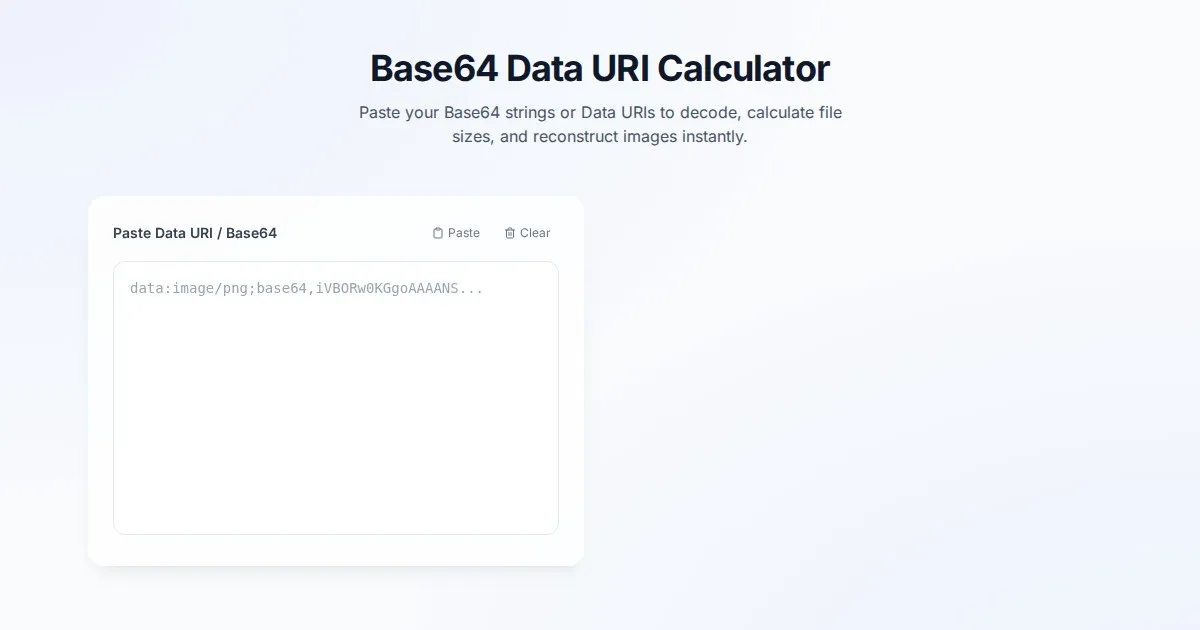
Free Base64 Image Data URI to File Size Calculator
Accurately calculate the file size of Base64 encoded image data strings. This free, web-based tool helps developers estimate binary file sizes for web apps.
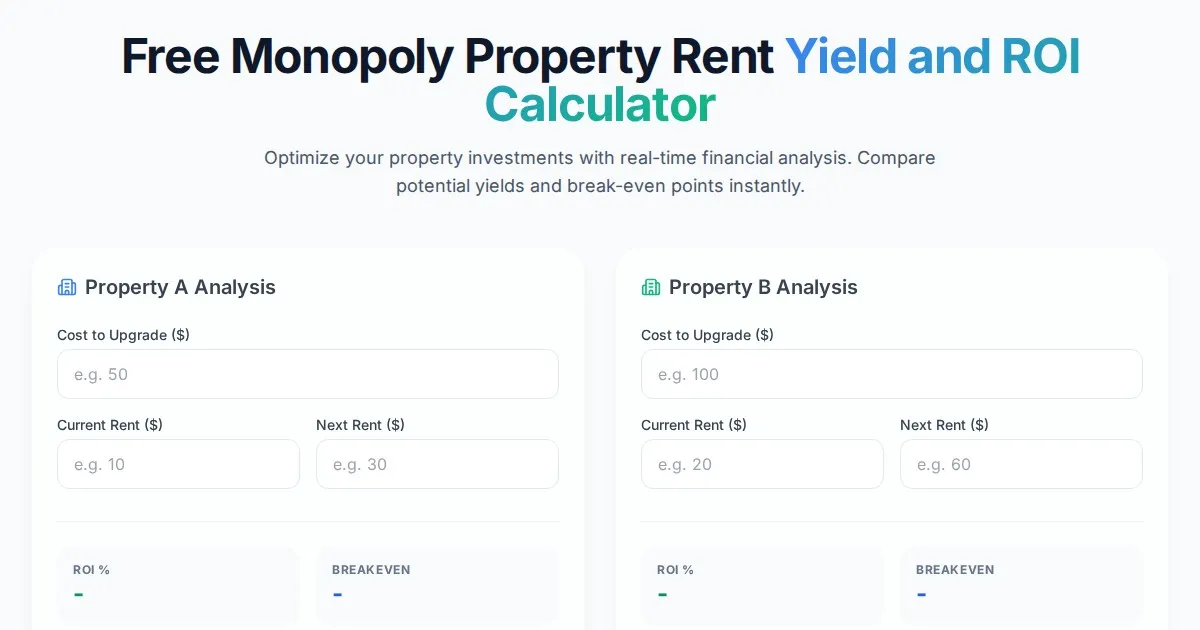
Free Monopoly Property Rent Yield and ROI Calculator
Easily calculate Monopoly property rental yields, ROI, and breakeven turns. Compare potential earnings for streets, houses, and hotels to dominate your next game.
Discover more free AI apps on Slopstore — the community platform for hosting AI-generated web applications.