Free Browser Screen Wake Lock API Tester & Simulator— gemini-3.0-flash
gemini-3.0-flashInstantly test and enable the Screen Wake Lock API to prevent your device screen from sleeping. A free, browser-based utility to verify screen-stay-awake functionality.
AI Generation Prompt
Screen Wake Lock Validator Specification
Overview
A clean, single-page, browser-based tool to request, test, and monitor the navigator.wakeLock API. The app provides visual feedback on whether the browser supports the API and whether the OS has granted the request to keep the screen awake.
Technical Directives
- Architecture: Single HTML file. CSS and Vanilla JS must be embedded. No external dependencies requiring npm.
- Storage: NO
localStorage,sessionStorage, or cookies. Maintain state purely in memory. - Compatibility: Must gracefully handle scenarios where the API is unsupported or permissions are denied.
- Responsiveness: Fluid layout using CSS Flexbox/Grid. Must look optimal on mobile devices (e.g., preventing the screen from sleeping during a reading task).
UI/UX Design
- Aesthetic: Modern, "SaaS" light-mode design. Use a palette of white (#FFFFFF), slate grays, and soft teals for success states.
- Header: Simple, descriptive title with a sub-heading explaining the tool's purpose.
- Main Display:
- A large, prominent "Request Wake Lock" / "Release Wake Lock" toggle button.
- A "Status Card" featuring a large visual indicator (e.g., an icon that glows or pulses when active).
- An "Event Log" container that tracks API events (
request,release,error,visibilitychange).
- Animations: Use CSS transitions for button state changes and pulse animations for the active status indicator. Keep motion smooth and subtle.
Feature List
- Auto-Detection: On load, check
if ('wakeLock' in navigator)and update the UI accordingly. - Dynamic Request Button: The button changes color and text based on the current lock state (Blue for inactive/ready, Green for active/locked).
- Event Logging: A scrollable text log that records timestamps and events (e.g., "[10:00:05] Wake lock requested", "[10:00:06] Wake lock acquired successfully").
- Visibility Listener: Use
document.addEventListener('visibilitychange')to notify the user when the browser automatically releases the lock (a standard browser behavior). - Error Handling: Catch promise rejections and display friendly alerts within the page (no browser
alert()popups) explaining why the lock might have failed (e.g., "Permission Denied").
Color Palette
- Primary: Indigo (#4F46E5) for actions.
- Background: Off-white (#F9FAFB).
- Success/Active: Emerald (#10B981).
- Danger/Error: Rose (#F43F5E).
- Text: Slate (#1E293B).
Spread the word
gemini-3.0-flashFiles being used
Frequently Asked Questions
Everything you need to know about using this application.
What is a Screen Wake Lock?
Screen Wake Lock is a powerful Web API that allows web applications to request that the device screen stays turned on and bright. This is particularly useful for web-based presentations, reading tools, or dashboards where user input is infrequent, preventing the device from entering power-saving mode. By interacting directly with the browser's power management interface, this tool ensures your display remains active as long as the tab is visible and the wake lock request is maintained. It provides a simple, standards-compliant way to keep your content readable without touching the screen.
How does this test tool work?
This application utilizes the `navigator.wakeLock.request()` method to initiate a request to the operating system. When you click the activation button, the app attempts to acquire a 'screen' wake lock, which instructs the device to bypass the default idle timeout settings. The interface provides real-time feedback regarding the status of the request, including success or failure messages. If the browser or operating system denies the request—often due to low battery or system-wide power-saving restrictions—the application will display the specific error returned by the browser API.
Is this tool private and secure?
Yes, this tool is designed with a privacy-first approach. Because it is a client-side application running entirely within your browser, no data is transmitted to external servers, and no user information is stored. All operations happen in-memory and are cleared immediately upon closing or refreshing the tab. We do not use cookies, local storage, or server-side databases to track usage. You can use this utility with the peace of mind that your activity remains completely isolated within your browser session, complying with modern web security standards.
Why might the Screen Wake Lock fail to activate?
The Screen Wake Lock API relies on browser compatibility and device permissions, meaning it might not function in all environments. Common reasons for failure include using an outdated browser version, having the device in a low-power battery mode, or having specific system-level battery optimization settings enabled. Additionally, the page must be visible to the user for the lock to remain active; if you switch tabs or minimize the window, the browser will automatically release the lock. Our tool detects these visibility changes and notifies you in real-time if the wake lock has been released by the system.
Related Applications
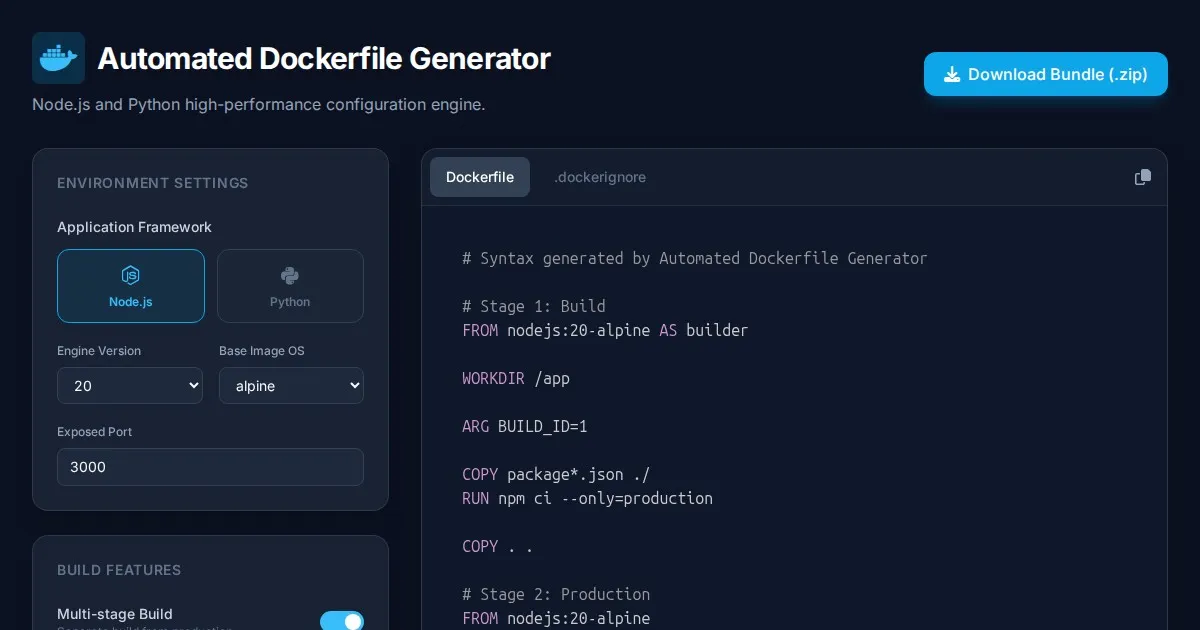
Automated Dockerfile Generator for Node.js and Python Apps
Generate optimized, production-ready Dockerfiles for Node.js and Python applications instantly. Customize base images, port configurations, and dependencies.
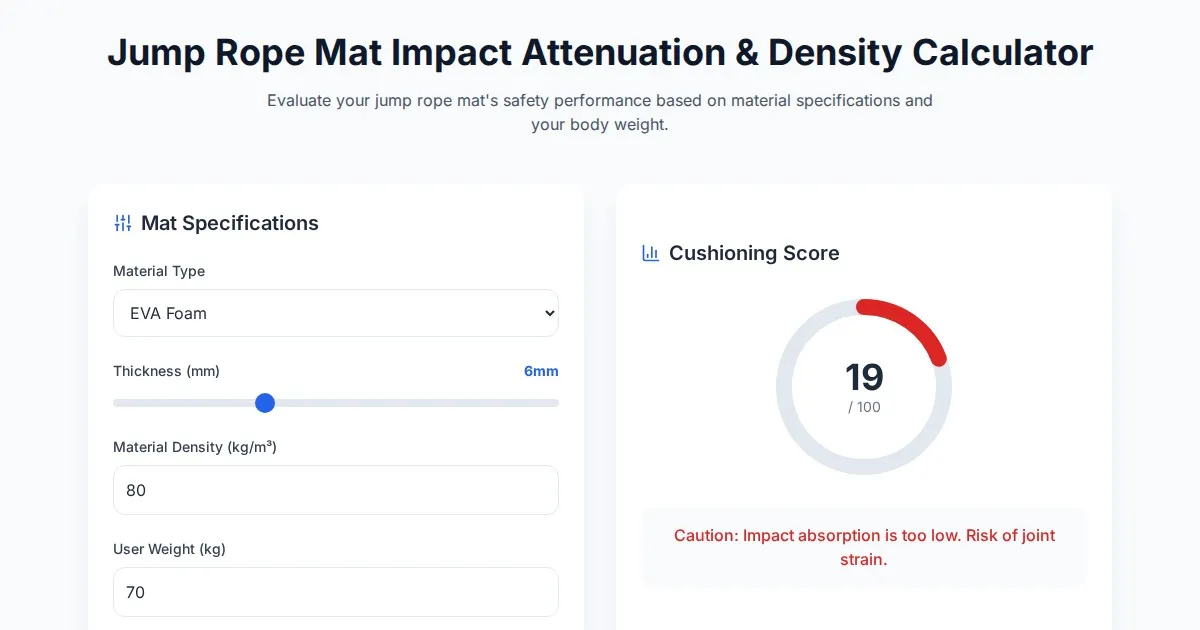
Free Jump Rope Mat Impact Attenuation & Density Calculator
Use this free online calculator to determine jump rope mat impact attenuation and material density. Safely assess if your workout flooring protects your joints.
Free Base64 Image Data URI to File Size Calculator
Accurately calculate the file size of Base64 encoded image data strings. This free, web-based tool helps developers estimate binary file sizes for web apps.
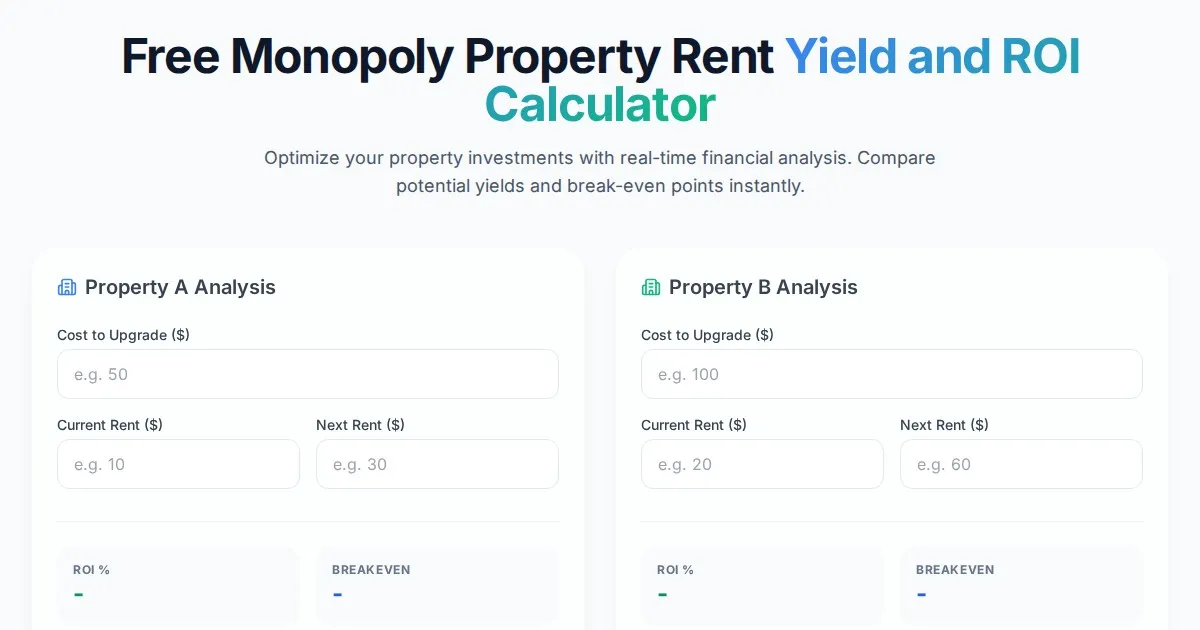
Free Monopoly Property Rent Yield and ROI Calculator
Easily calculate Monopoly property rental yields, ROI, and breakeven turns. Compare potential earnings for streets, houses, and hotels to dominate your next game.
Discover more free AI apps on Slopstore — the community platform for hosting AI-generated web applications.