Free Chicago Manual of Style Turabian Footnote Generator— gemini-3.0-flash
gemini-3.0-flashEasily generate accurate Chicago Style and Turabian format footnotes with our free, instant formatter. Perfect for students, researchers, and academic writers.
AI Generation Prompt
Chicago and Turabian Footnote Formatter
Overview
A high-performance, single-file browser application designed for students and academics to generate perfect Chicago/Turabian footnotes instantly. The app provides a clean, distraction-free environment that prioritizes speed and accuracy without the need for logins or external database connections.
Core Features
- Multiple Source Support: Dedicated templates for Books, Journal Articles, Websites, and Edited Collections.
- Real-Time Formatting: Footnote strings update instantly as users type.
- One-Click Copy: A "Copy to Clipboard" button that respects browser security permissions.
- Zero-Storage Architecture: Designed for privacy—no data is persisted between sessions; all state is managed in-memory.
- Clean Interface: A distraction-free, professional aesthetic suitable for focused writing sessions.
- Responsive Design: Optimized for everything from wide desktop monitors to mobile phones for quick citation checks.
UI Layout
- Header: Clean title area with a brief instructional subtitle.
- Input Section: A segmented card layout where users select the "Source Type" (dropdown) followed by dynamic fields (Author, Title, City, Publisher, Year, Page Number).
- Result Section: A dedicated, prominent output block displaying the generated footnote. Includes a "Copy" button that triggers a subtle UI feedback animation (e.g., text changing to 'Copied!' temporarily).
- Instructional Sidebar/Area: A concise "Tips" section providing standard formatting reminders (e.g., italics, punctuation rules) to ensure user success.
Design & Aesthetics
- Palette: Use a professional "SaaS" color scheme: White backgrounds (
#ffffff), soft gray borders (#e5e7eb), dark text (#1f2937), and a reliable brand-blue primary accent (#2563eb) for buttons. - Typography: Clean, readable sans-serif fonts (e.g., Inter or system UI stacks).
- Transitions: Smooth 200ms ease-in-out transitions for button hover states and input focus highlights.
- Shadows: Subtle, soft drop shadows on cards to create a layered, modern depth.
Technical Directives for Developers
- Constraint Compliance:
- Strictly single-file (CSS and JS must be embedded).
- NO
localStorage,sessionStorage, or IndexedDB usage. - NO use of
alert()orconfirm(); use custom HTML overlays for interaction if required.
- Performance: Ensure the app initializes under 200ms by minimizing third-party script bloat.
- Compatibility: Ensure all functionality works within a null-origin iframe (do not rely on origin-specific storage or cookies).
- Accessibility: Use semantic HTML5 elements (
<main>,<section>,<header>,<label>) and ensure all inputs have proper labels for screen readers.
Spread the word
gemini-3.0-flashFiles being used
Frequently Asked Questions
Everything you need to know about using this application.
How do I use this Chicago Turabian footnote generator?
Simply input your source details into the respective fields such as author name, publication title, year, and page numbers. Once you enter the data, the tool automatically constructs the citation in the correct Chicago or Turabian format. You can then copy the footnote text directly into your document. The interface is designed for speed and accuracy. Because it runs locally in your browser, you do not need to create an account or store your data on external servers. This makes the tool ideal for quick, private academic work while ensuring your citations follow the latest scholarly standards.
What is the difference between Chicago and Turabian styles?
Chicago style is generally intended for published works, while Turabian style is specifically adapted for student papers, theses, and dissertations. Both styles share the same core rules for footnote formatting, but Turabian often provides more specific guidance on formatting student assignments. Our tool adheres to the common standards for both, ensuring your footnotes comply with typical university requirements. When using our formatter, you can select the specific source type—such as a book, journal article, or website—to ensure the generated footnote includes the correct components in the required order.
Is this footnote formatter compliant with academic integrity standards?
Yes, our tool is designed to help you organize and format your citations correctly according to standard academic guidelines. It automates the complex punctuation and ordering rules, which helps minimize human error during the writing process. However, it is always best practice to review your final citations against your professor’s specific syllabus or the latest edition of the Chicago Manual of Style. While our tool provides an accurate template, students are responsible for verifying their final bibliography and footnote entries for course compliance.
Does this tool store my citation data?
No, this application is built to run entirely within your web browser without storing any data on a server or using local storage. When you refresh the page or close your browser, all input fields and generated footnotes are cleared for your privacy and security. By prioritizing a privacy-first, client-side architecture, we ensure that your research and writing remain completely confidential. You can generate unlimited footnotes without concerns about data harvesting or account-based tracking, keeping your academic workflow simple and secure.
Related Applications

Free Jump Rope Mat Impact Attenuation & Density Calculator
Use this free online calculator to determine jump rope mat impact attenuation and material density. Safely assess if your workout flooring protects your joints.
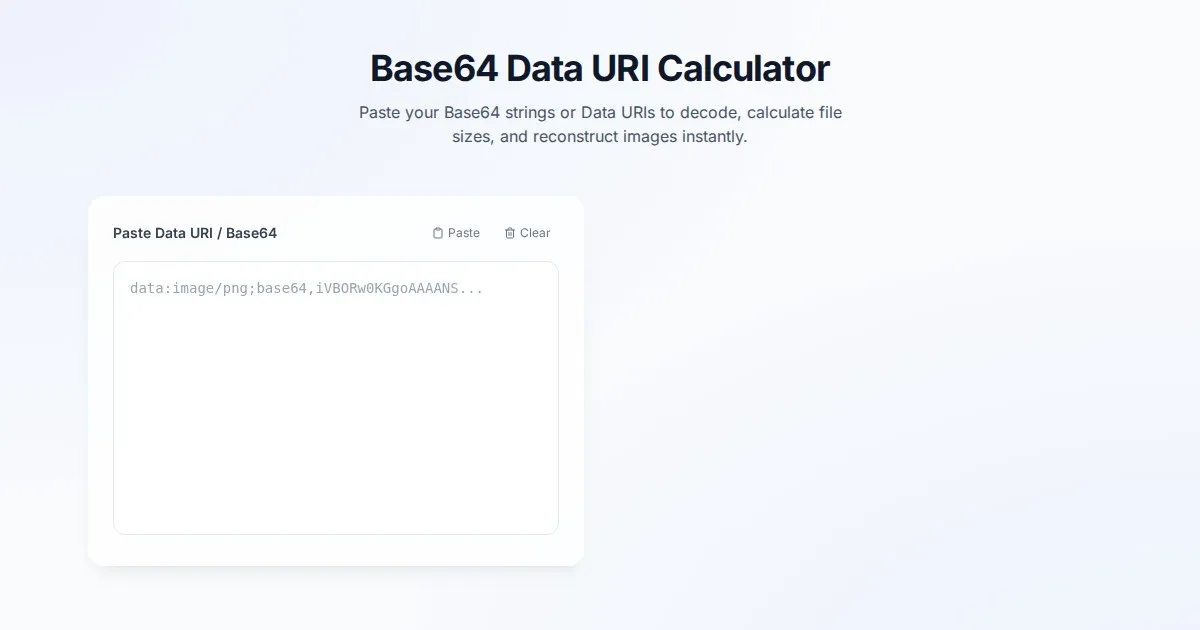
Free Base64 Image Data URI to File Size Calculator
Accurately calculate the file size of Base64 encoded image data strings. This free, web-based tool helps developers estimate binary file sizes for web apps.

Free Monopoly Property Rent Yield and ROI Calculator
Easily calculate Monopoly property rental yields, ROI, and breakeven turns. Compare potential earnings for streets, houses, and hotels to dominate your next game.

Free Online Color Blindness Simulator & Image Filter Tool
Easily simulate color vision deficiencies like protanopia, deuteranopia, and tritanopia. Upload images to test design accessibility for color blindness.
Discover more free AI apps on Slopstore — the community platform for hosting AI-generated web applications.