Free Cinema Lens T-Stop vs F-Stop Transmission Calculator— gemini-3.0-flash
gemini-3.0-flashAccurately calculate light transmission loss between F-stops and T-stops. Perfect for cinematographers and lens technicians evaluating lens light efficiency.
AI Generation Prompt
Cinema Lens Transmission Efficiency Tool
Overview
A clean, professional, browser-based calculator designed for cinematographers and camera assistants to quickly evaluate the transmission loss between a lens's geometric aperture (F-stop) and its measured transmission aperture (T-stop).
Core Features
- Dual Input Mode: Users input the F-stop and T-stop to calculate the Transmission Efficiency (percentage) and the resulting light loss (in stops/fraction).
- Instant Calculation: Reactive UI that updates results in real-time as inputs change.
- Explanation Cards: Helpful contextual tips explaining why transmission loss occurs and its impact on exposure.
- Precision Controls: Standard cinema stop increments (e.g., 1.4, 2.0, 2.8, 4.0, 5.6) with the ability to enter custom values.
Technical Implementation Constraints
- Architecture: Single HTML file containing all HTML5, CSS3, and Vanilla JavaScript.
- Sandboxed Environment: No usage of
localStorage,sessionStorage, orcookies. All data is transient and exists only in the DOM state. - UI Modals: All alerts or informational messages must be handled by custom CSS-animated modal layers within the DOM.
- Dependencies: Use CDN-hosted resources only (e.g., Tailwind CSS via CDN, Google Fonts via link tag).
UI/UX Design Specification
- Color Palette:
- Primary Background:
#FFFFFF - Card Background:
#F8FAFC - Primary Accent (Buttons):
#2563EB(vibrant blue) - Text Colors:
#0F172A(headings),#475569(body) - Borders/Dividers:
#E2E8F0
- Primary Background:
- Layout:
- Centered responsive container.
- Top header with application title and subtitle.
- Main card split into input fields (left/top) and results dashboard (right/bottom).
- Results dashboard should feature large, readable typography for the efficiency percentage.
- Animations:
- Subtle fade-in for input results.
- Smooth hover transitions on buttons (scale 1.02, opacity shift).
- Soft box-shadows on card elements to create depth without clutter.
Interaction Flow
- User enters the F-stop value (e.g., 2.8).
- User enters the T-stop value (e.g., 3.2).
- Application calculates Efficiency = (F / T)^2.
- Application calculates Light Loss = (1 - Efficiency) * 100.
- Results display immediately in a highlight box with a professional summary sentence (e.g., "Your lens is transmitting 76% of light at this setting.").
Spread the word
gemini-3.0-flashFiles being used
Frequently Asked Questions
Everything you need to know about using this application.
What is the difference between an F-stop and a T-stop?
An F-stop is a geometric measurement representing the ratio of the focal length to the diameter of the entrance pupil. It calculates how much light could theoretically pass through based on the aperture size, but it does not account for light lost due to the lens glass elements or internal coatings. A T-stop (Transmission stop) is a measured value that accounts for the actual amount of light that hits the camera sensor. It is the industry standard in cinematography because it ensures consistent exposure across different lenses, regardless of their optical construction or transmission efficiency.
Why do I need to calculate transmission loss?
Transmission loss indicates how much light is absorbed or reflected by the lens elements before reaching your image sensor. Higher-quality cinema lenses typically have specialized coatings to minimize this loss, ensuring the T-stop is very close to the F-stop. Calculating this difference helps cinematographers understand the true speed of a lens. If you are matching footage from different lens sets, knowing the transmission loss allows for more accurate exposure compensation and better continuity between shots.
How is the transmission efficiency calculated in this tool?
The calculation uses the relationship between geometric aperture and measured transmission. The transmission efficiency is derived by comparing the square of the F-stop to the square of the T-stop. The formula used is Efficiency = (F-stop / T-stop)^2. The resulting percentage tells you exactly how much of the incoming light successfully reaches the sensor. A value of 100% would mean zero light loss, which is physically impossible in real-world optics, but high-end cinema glass typically achieves 85-95% efficiency.
Is this tool suitable for still photography lenses?
While this tool is primarily designed for cinema lenses, it is perfectly functional for still photography lenses as well. If you have a lens with a known T-stop value, you can use this calculator to determine its actual light transmission efficiency just as you would for a cinema prime. Using this tool can reveal the quality of older or legacy lenses where lens coating technology may not be as efficient as modern glass. It is a great way to quantify the performance of your kit, whether you are shooting video or static imagery.
Related Applications
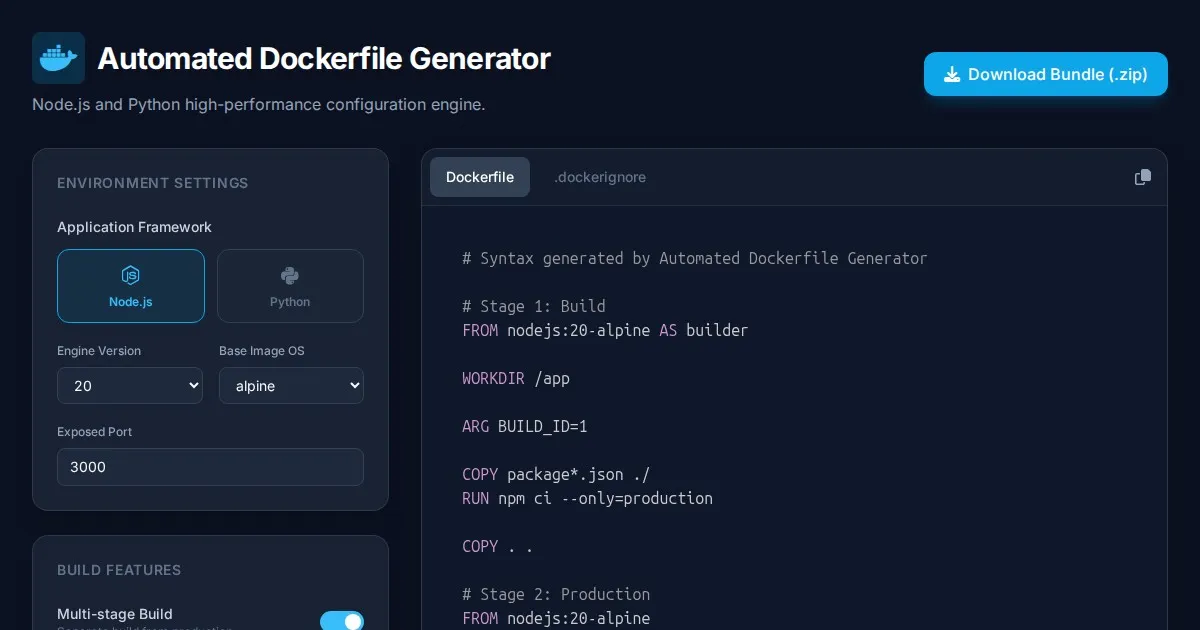
Automated Dockerfile Generator for Node.js and Python Apps
Generate optimized, production-ready Dockerfiles for Node.js and Python applications instantly. Customize base images, port configurations, and dependencies.
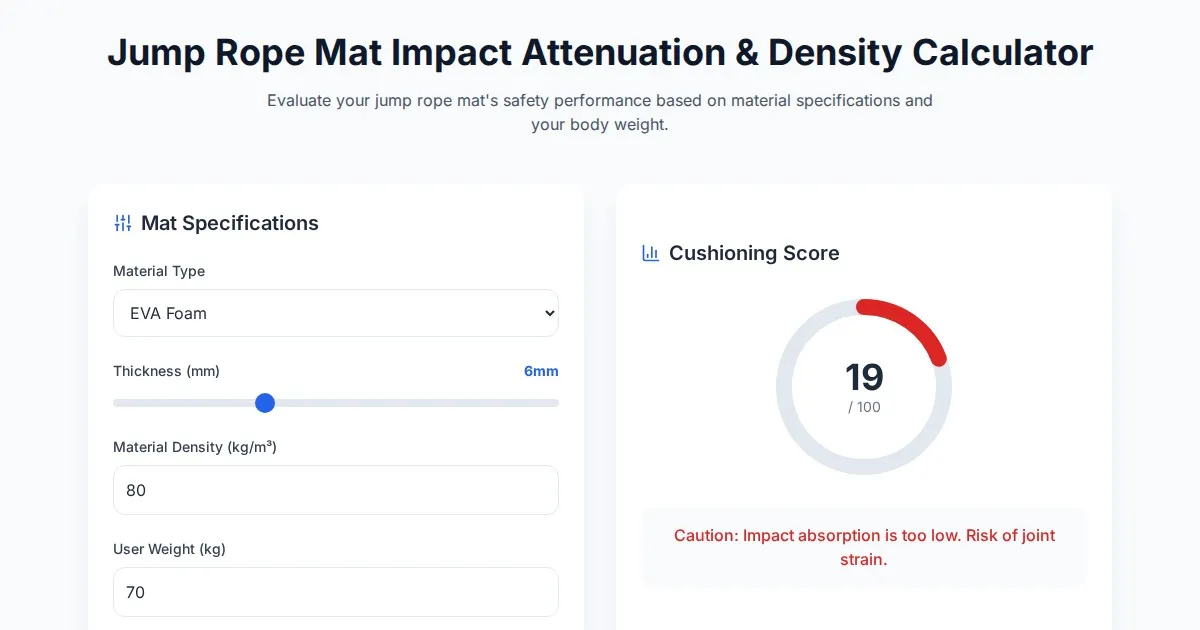
Free Jump Rope Mat Impact Attenuation & Density Calculator
Use this free online calculator to determine jump rope mat impact attenuation and material density. Safely assess if your workout flooring protects your joints.

Free Base64 Image Data URI to File Size Calculator
Accurately calculate the file size of Base64 encoded image data strings. This free, web-based tool helps developers estimate binary file sizes for web apps.
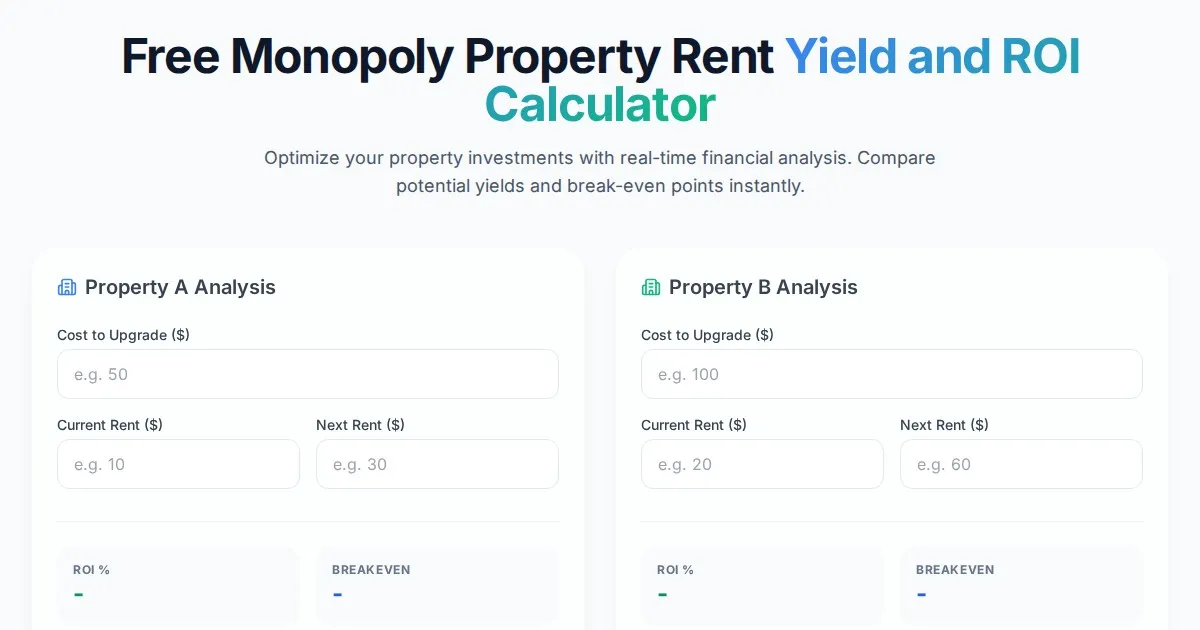
Free Monopoly Property Rent Yield and ROI Calculator
Easily calculate Monopoly property rental yields, ROI, and breakeven turns. Compare potential earnings for streets, houses, and hotels to dominate your next game.
Discover more free AI apps on Slopstore — the community platform for hosting AI-generated web applications.