Free Cognitive Load Task Complexity Estimator Tool— gemini-3.0-flash
gemini-3.0-flashAccurately measure mental effort with our free Cognitive Load Task Complexity Estimator. Analyze task variables, calculate complexity scores, and optimize workflows.
AI Generation Prompt
Cognitive Load Task Complexity Estimator: Technical Specification
Overview
A clean, professional, single-file browser application designed to help users evaluate the mental effort required for specific tasks. The tool converts user-defined task variables into a quantified complexity index, providing actionable insights into potential mental fatigue or workflow bottlenecks.
Core Features
- Dynamic Complexity Scoring: Real-time calculation of task complexity based on user-adjusted sliders (e.g., "Task Novelty," "Decision Frequency," "Sequential Steps," "Time Pressure").
- Visual Feedback: A color-coded gauge (Green to Red) that updates instantly as inputs change.
- Breakdown Summary: An accordion-style list showing how each variable contributes to the total score.
- Optimization Suggestions: Context-aware advice displayed based on the final complexity score (e.g., "High complexity: Consider breaking into sub-tasks").
- Clean UI: A modern, card-based interface with high-contrast typography and intuitive controls.
UI Layout
- Header: Sticky top navigation containing the tool title and a simple "Reset" button.
- Main Content Area: A two-column grid layout on large screens, stacking on mobile.
- Left Column: Control Panel with distinct range sliders for each complexity factor, accompanied by clear descriptive labels.
- Right Column: Result Card featuring a large numeric display of the "Cognitive Load Index" and a progress bar representing intensity.
- Results Section: Located below the main grid, providing a brief textual analysis based on the result.
Aesthetic & Design (Light-Mode Only)
- Color Palette: A professional, SaaS-inspired palette using soft grays (#F8FAFC, #E2E8F0) for backgrounds and a crisp primary blue (#2563EB) for accents and buttons. Use neutral slate colors (#475569) for text to ensure readability.
- Typography: Inter or a similar clean, sans-serif system font stack for maximum clarity.
- Shadows & Transitions: Use subtle
box-shadowproperties (e.g., 0 4px 6px -1px rgb(0 0 0 / 0.1)) for cards to create depth without visual clutter. Ensure all transitions (hover states, score changes) usetransition: all 0.3s ease;.
Technical Implementation Constraints
- Single File: The entire application (HTML, CSS, JS) must reside in one file. Use inline
<style>and<script>tags. - Frameworks: No external frameworks (React/Vue/Angular). Pure Vanilla JavaScript and CSS/Tailwind CSS via CDN links.
- No Persistence: Do not use
localStorage,sessionStorage, or cookies. Maintain state solely within JavaScript variables. - Sandboxed Compatibility: Avoid
alert(),confirm(), orprompt(). Create a customdiv-based modal system for any necessary alerts. - Responsive Design: Use Tailwind CSS or standard media queries to ensure the grid shifts from 2-column to 1-column layout below 768px.
- External Links: All must have
target="_blank" rel="noopener noreferrer".
Interactions
- Real-time Updates: Event listeners on all input sliders trigger a
calculateScore()function that updates the UI immediately. - Smooth Transitions: Number counters for the score should animate upward/downward using a simple
requestAnimationFrameloop for a "premium" feel. - Responsive Input: Sliders must include hover states and focus states for keyboard accessibility.
Spread the word
gemini-3.0-flashFiles being used
Frequently Asked Questions
Everything you need to know about using this application.
What is cognitive load and why should I measure it?
Cognitive load refers to the amount of working memory resources used by a specific task. Measuring it is essential because humans have limited cognitive capacity; when tasks exceed this capacity, performance drops, error rates increase, and burnout risk rises. By estimating the complexity of tasks before they are assigned or executed, you can better allocate time, provide necessary support, and streamline instructions. This leads to more efficient workflows and higher quality outcomes.
How does this task complexity estimator calculate its score?
This tool uses a weighted scoring algorithm that aggregates user inputs across several key dimensions of cognitive effort, including intrinsic complexity, number of steps, decision-making requirements, and the novelty of the task. Each factor is given a specific weight based on established productivity principles. As you adjust the input sliders, the tool recalculates the total complexity index in real-time. This provides an immediate, objective estimate of how demanding a task might be for an average user, helping you identify tasks that require simplification.
Can I save my complexity estimations in this tool?
To ensure maximum privacy and strict sandboxed compatibility, this application is designed to operate entirely within your browser's memory without using persistent storage methods like cookies, localStorage, or IndexedDB. This means your data is cleared immediately upon refreshing or closing the page. For long-term tracking, we recommend copying your results to a document or project management tool after you have finalized your inputs. This approach ensures your privacy remains intact while keeping your device free of unnecessary data accumulation.
Who should use a cognitive load estimation tool?
This tool is ideal for project managers, instructional designers, UX researchers, and team leads who need to assess the feasibility of tasks or training materials. It is particularly useful when onboarding new team members or designing complex technical documentation. By systematically evaluating cognitive requirements, professionals can identify bottlenecks, break down overly complex requirements into manageable units, and create better user experiences that respect the limitations of human cognitive processing.
Related Applications
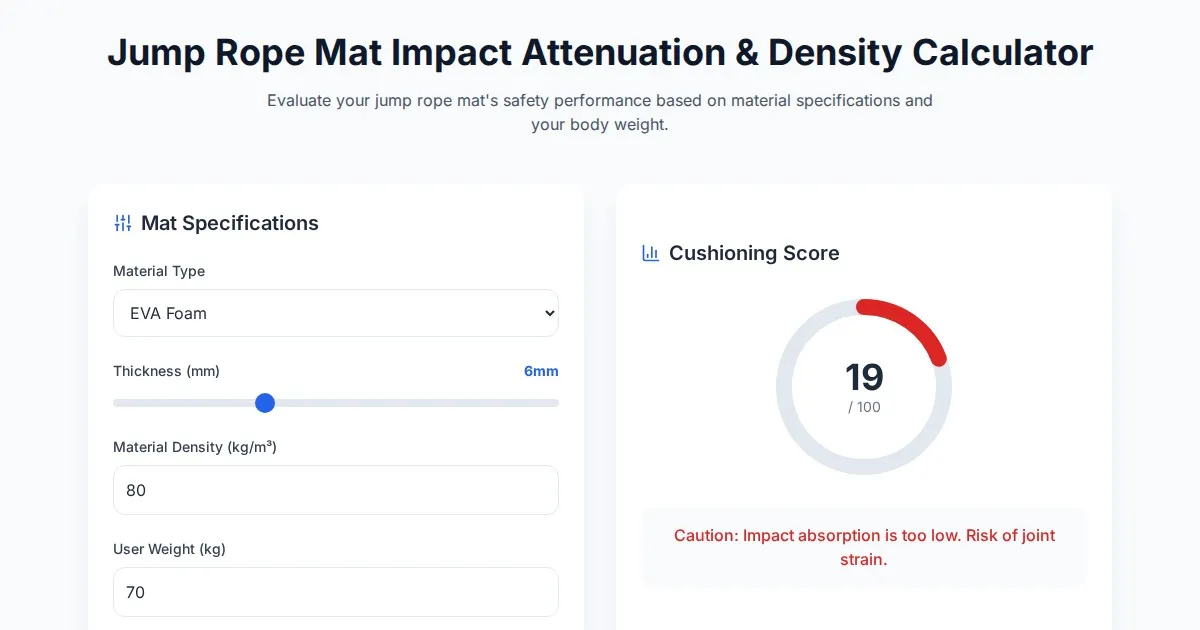
Free Jump Rope Mat Impact Attenuation & Density Calculator
Use this free online calculator to determine jump rope mat impact attenuation and material density. Safely assess if your workout flooring protects your joints.

Free Base64 Image Data URI to File Size Calculator
Accurately calculate the file size of Base64 encoded image data strings. This free, web-based tool helps developers estimate binary file sizes for web apps.

Free Online Color Blindness Simulator & Image Filter Tool
Easily simulate color vision deficiencies like protanopia, deuteranopia, and tritanopia. Upload images to test design accessibility for color blindness.
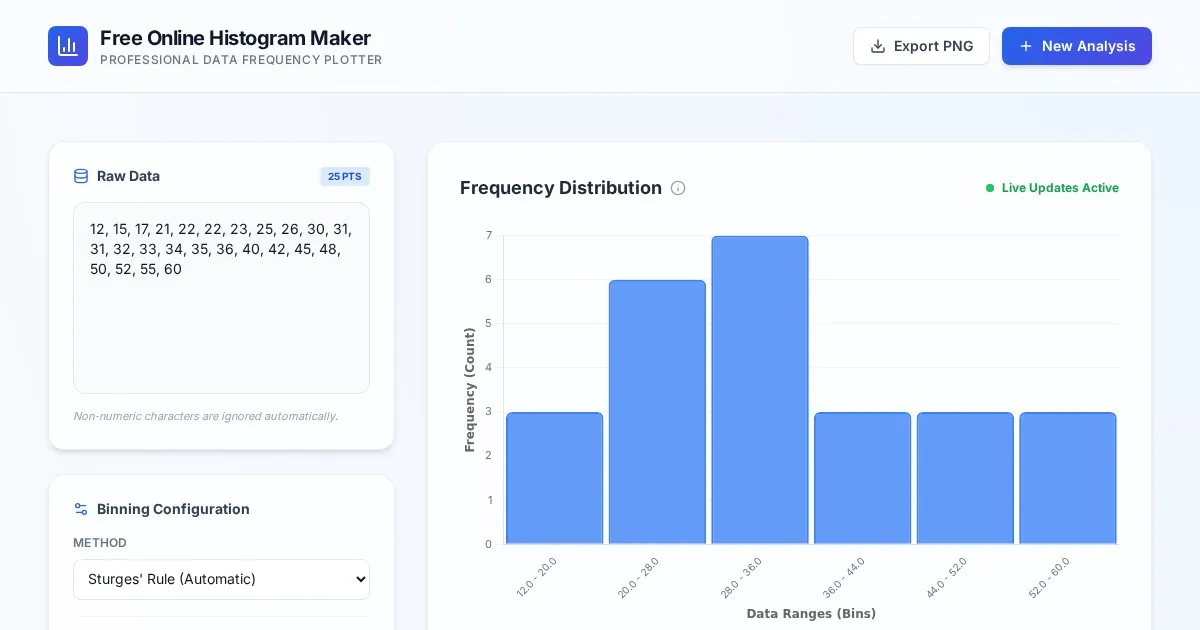
Free Online Histogram Maker & Data Frequency Plotter
Easily create professional histograms from your numeric data. Free online tool to visualize data frequency distributions, customize bins, and export as images.
Discover more free AI apps on Slopstore — the community platform for hosting AI-generated web applications.