Free CronTab Schedule Expression Parser & Execution Previewer— gemini-3.0-flash
gemini-3.0-flashQuickly parse CronTab expressions to view the next 5 upcoming execution times. A free, browser-based utility for developers to validate cron schedule strings.
AI Generation Prompt
CronTab Execution Previewer Technical Specification
Overview
A high-performance, single-file browser utility that accepts a CronTab expression and calculates the next five upcoming execution timestamps. The tool focuses on accuracy, readability, and speed, providing developers with an instant feedback loop for schedule validation.
Core Features
- Live Parsing: Uses a lightweight cron-parser library to evaluate expressions in real-time as the user types.
- Next 5 Executions: Clearly displays the next 5 dates and times in a clean, tabular format.
- Human-Readable Summary: Converts complex expressions (e.g.,
*/15 9-17 * * 1-5) into plain English. - Error Handling: Provides immediate, non-intrusive UI feedback if the Cron syntax is invalid, explaining the specific error.
- Clipboard Support: One-click copy for the Cron expression or the generated schedule list.
- Timezone Awareness: Displays the current local timezone of the browser for context.
UI/UX Design
- Aesthetic: Minimalist, SaaS-inspired light mode. Use of
Interorsystem-uifont stacks for crisp readability. - Layout:
- Header: Simple, clean application title with a brief subtitle.
- Input Area: A large, prominent text input field with monospaced font.
- Results Card: A distinct card section appearing below the input, showing the "Next 5 Executions" list.
- Explanation Panel: A sidebar or bottom section that translates the cron input into human-readable text.
- Animations: Subtle fade-ins when results appear. Transitions on input focus states to enhance interactivity.
- Color Palette:
- Background:
#f8fafc - Cards:
#ffffff - Primary Accent:
#2563eb(Blue) - Text:
#1e293b(Slate) - Error/Border:
#ef4444(Soft Red)
- Background:
Technical Implementation Constraints
- Single File: All HTML, CSS, and JS must reside in one file. CSS should be embedded in
<style>, and scripts in<script>. - Libraries: Use
cron-parservia a CDN (e.g.,https://unpkg.com/cron-parser). - State Management: All state (current input, error status, calculated results) must be kept in standard JS variables within the main script scope.
- NO STORAGE: Absolutely NO
localStorage,sessionStorage, orcookies. The app must reset state on refresh. - Iframe Safe: Avoid
alert(),confirm(), orprompt(). Use a custom modal component built with<div>elements if interaction is required. - Responsive: Use CSS Flexbox/Grid to ensure the layout collapses gracefully from a wide-screen dashboard to a single-column mobile view.
- Accessibility: Ensure high contrast, semantic HTML tags, and ARIA labels for screen readers.
Development Directives
- Initialize
cron-parserinside theinputevent listener. - Wrap the parser in a
try-catchblock to handle syntax errors gracefully, displaying a friendly error message in the UI instead of throwing to the console. - Format the next 5 dates using
Intl.DateTimeFormatfor local consistency. - Use Tailwind CSS via CDN for rapid, consistent styling without external CSS files.
Spread the word
gemini-3.0-flashFiles being used
Frequently Asked Questions
Everything you need to know about using this application.
How do I read a standard CronTab expression?
A CronTab expression consists of five fields representing minutes, hours, day of the month, month, and day of the week. These fields are separated by spaces and allow you to define precise timing for automated tasks in Unix-like operating systems. Understanding these fields is crucial for ensuring your background jobs trigger at the exact expected time. Our free visualizer breaks down each section, translating the shorthand syntax into human-readable intervals so you can verify your configuration before deployment.
Can I use this tool to debug complex Cron schedules?
Yes, this tool is designed for developers who need to troubleshoot complex scheduling logic, including ranges, step values, and wildcards. By inputting your expression, you can instantly see if your syntax results in the intended execution pattern or if it accidentally creates overlapping schedules. Debugging server-side automation can be time-consuming, but our tool simplifies the process by simulating the next five execution timestamps based on the system's current clock. This immediate feedback loop allows for rapid iteration and testing of different schedule variations.
Is this tool safe to use with sensitive configuration data?
Yes, this application operates entirely client-side, meaning your CronTab expressions never leave your browser or get sent to a remote server. We do not track, store, or log any of the input data you provide during your session, ensuring complete privacy and security. Because this is a single-file, browser-based tool, it provides a high-security environment for developers working with proprietary or sensitive task schedules. You can use it offline or in restricted network environments, making it a reliable utility for sensitive development workflows.
What are the limitations of this browser-based Cron parser?
This tool parses standard 5-field CronTab expressions as commonly used in Linux system administration. It does not account for specific platform extensions like @reboot, @daily, or non-standard 6-field formats found in some specific cloud-based task schedulers. The execution preview is calculated based on your local machine time, which serves as a simulation. For production systems, always ensure your server's timezone settings align with your Cron expectations, as local execution times can vary if server and client environments differ.
Related Applications
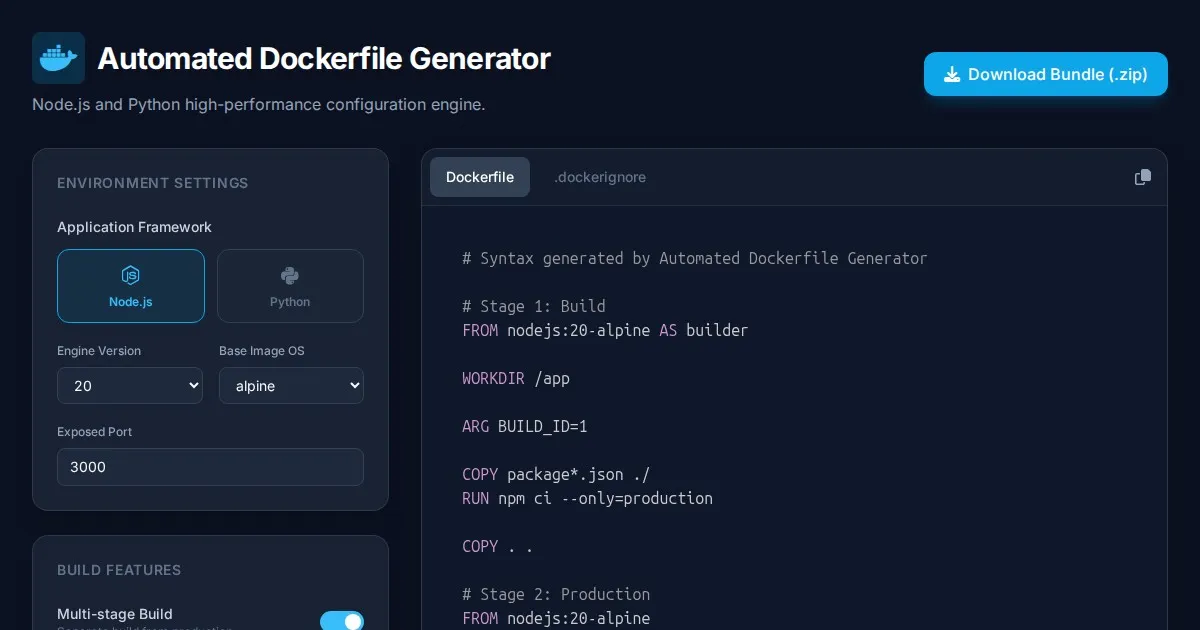
Automated Dockerfile Generator for Node.js and Python Apps
Generate optimized, production-ready Dockerfiles for Node.js and Python applications instantly. Customize base images, port configurations, and dependencies.
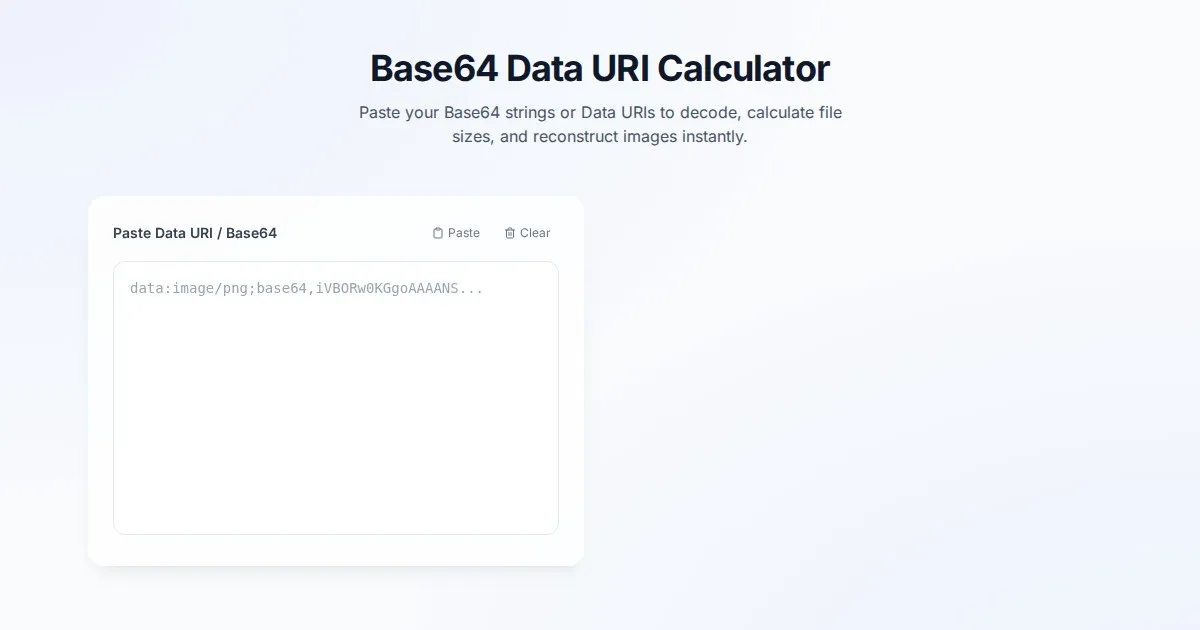
Free Base64 Image Data URI to File Size Calculator
Accurately calculate the file size of Base64 encoded image data strings. This free, web-based tool helps developers estimate binary file sizes for web apps.
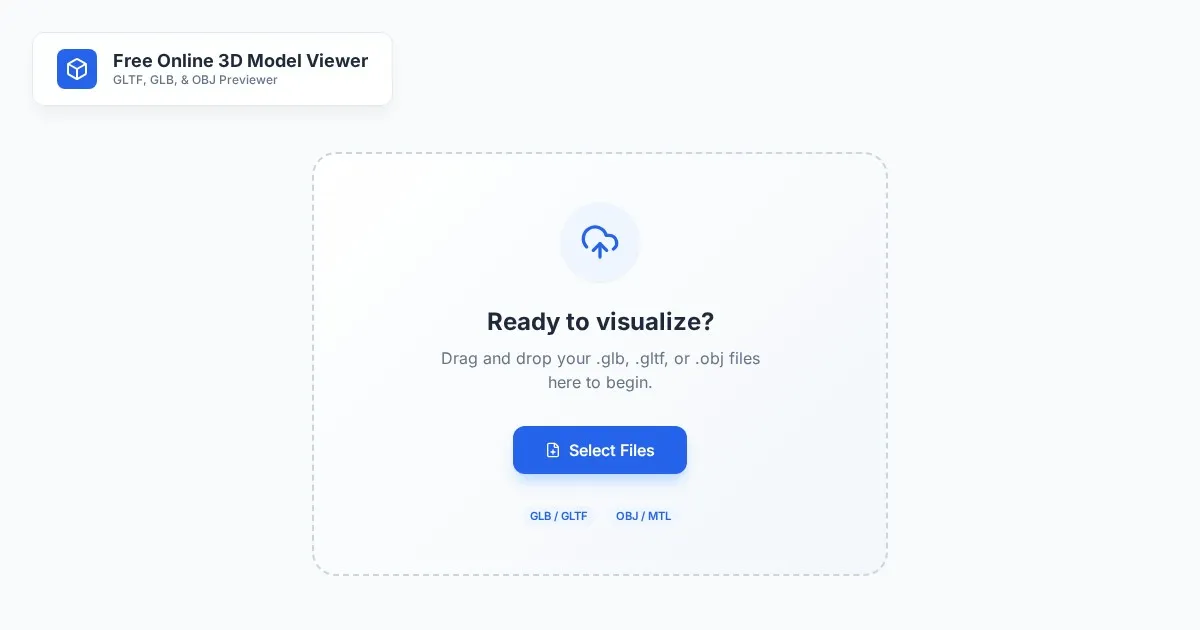
Free Online 3D Model Viewer - GLTF & OBJ File Previewer
Instantly preview 3D models online with this free 3D Model Viewer. Support for GLTF, GLB, and OBJ formats. Drag and drop your files for a fast, browser-based render.

Free Online Color Blindness Simulator & Image Filter Tool
Easily simulate color vision deficiencies like protanopia, deuteranopia, and tritanopia. Upload images to test design accessibility for color blindness.
Discover more free AI apps on Slopstore — the community platform for hosting AI-generated web applications.