Free CSS @layer Cascade Specificity Ordering Visualizer— gemini-3.0-flash
gemini-3.0-flashVisualize CSS cascade layers and specificity rules easily with this free interactive tool. Debug CSS @layer order, conflicts, and override priority instantly.
AI Generation Prompt
CSS @layer Cascade Specificity Ordering Visualizer
Overview
A clean, professional, and responsive web application designed for frontend developers to visualize the impact of CSS Cascade Layers (@layer) on their stylesheets. This tool helps developers plan, test, and debug layer priority and specificity conflicts in a live, interactive environment.
Core Features
- Live Layer Ordering UI: An interactive list to reorder layers using drag-and-drop mechanics. This defines the priority order for the @layer rules.
- CSS Input Sandbox: A syntax-highlighted code editor for inputting CSS snippets associated with specific layers.
- Cascade Result Visualizer: A generated breakdown showing the 'winner' of the cascade for specific properties, highlighting which rules are applied and which are overridden.
- Specificity Calculator: A side-by-side indicator for CSS specificity weights (ID vs. Class vs. Tag) for each rule.
- Instant Error Feedback: Real-time validation to catch syntax errors in the CSS input.
UI/UX Specification
- Layout:
- Header: Simple, clean application title with a reset/clear button.
- Main Workspace (Split View):
- Left Panel (Inputs): Layer Manager (add/reorder layers) and Rule Input (textarea with line numbers).
- Right Panel (Preview): A visual 'Cascade Stack' which shows a color-coded representation of which layers override others, followed by a 'Computed Styles' output area.
- Color Palette (Light Mode Only):
- Primary Surface:
#FFFFFF(White) - Secondary Surface:
#F8FAFC(Slate 50) - Border/Divider:
#E2E8F0(Slate 200) - Text Primary:
#0F172A(Slate 900) - Text Secondary:
#64748B(Slate 500) - Accent (Primary Action):
#3B82F6(Blue 500) - Success (Applied Style):
#22C55E(Green 500) - Danger (Overridden Style):
#EF4444(Red 500)
- Primary Surface:
- Animations: Smooth opacity transitions (200ms) when swapping layers or toggling rule visibility. Subtle lift effect on hovered cards.
Technical Implementation Directives
- Architecture: Single-file HTML (everything including CSS and Vanilla JS embedded).
- State Management: Purely in-memory state. Use a centralized JS object (e.g.,
const appState = {...}) to track layers and rules. Update the DOM reactively on change events. - Constraints Compliance:
- No LocalStorage: Data is cleared on refresh. No persistent storage.
- No Popups: Use custom HTML modals for any warnings (e.g., clearing the board).
- Sandbox Safety: Ensure no external requests are triggered unless strictly necessary via safe CDN links.
- Styling: Use standard CSS or Tailwind via CDN. Ensure high contrast and professional typography (e.g., Inter or system sans-serif).
- Responsive Design:
- Desktop: Two-column layout.
- Mobile/Tablet: Stacked view where the input takes precedence and the visualization is available via a tab switch or bottom-drawer.
Spread the word
gemini-3.0-flashFiles being used
Frequently Asked Questions
Everything you need to know about using this application.
What is the CSS @layer rule and why does it matter?
The CSS @layer rule allows developers to group CSS rules into explicit layers, giving them control over the cascade that is independent of selector specificity. By defining layers, you can ensure that base styles, component styles, and utility styles are applied in a predictable order regardless of where they are defined in the stylesheet. This functionality helps prevent 'specificity wars' where developers are forced to use !important or overly long selector chains to override existing styles. Properly managed layers lead to cleaner, more maintainable codebases that are significantly easier to debug and scale over time.
How does this tool help with specificity conflicts?
This visualization tool provides an interactive playground where you can define your layer order and input CSS snippets. It processes the hierarchy in real-time, showing you exactly which rules win and which are overridden based on the layer priority you have established. By providing a visual tree of the cascade, you can identify 'dead' code—rules that are being completely overridden by a higher priority layer—before you deploy your CSS. This speeds up the development process and reduces the need for trial-and-error debugging in browser developer tools.
Can I save my CSS code in this tool?
This application is designed as a client-side, in-memory tool for privacy and security. It does not use localStorage, cookies, or any database, meaning your data is transient and will be cleared if you refresh the browser tab. We prioritize developer privacy, ensuring that no sensitive code you paste into the application is ever sent to a server, stored, or tracked. It is a strictly ephemeral utility tool meant for quick experimentation and visualization during your local development workflow.
Why is this tool better than using browser DevTools?
While browser DevTools are excellent for inspecting computed styles, they often make it difficult to visualize the abstract architecture of your CSS layers at a high level. This tool is purpose-built to map out your architecture and simulate the cascade order without needing a full project setup. It offers a clean, distraction-free environment to test how layer ordering affects the final outcome. Whether you are refactoring legacy styles or planning a new design system, this tool acts as a whiteboard for your CSS architecture, allowing you to iterate faster.
Related Applications
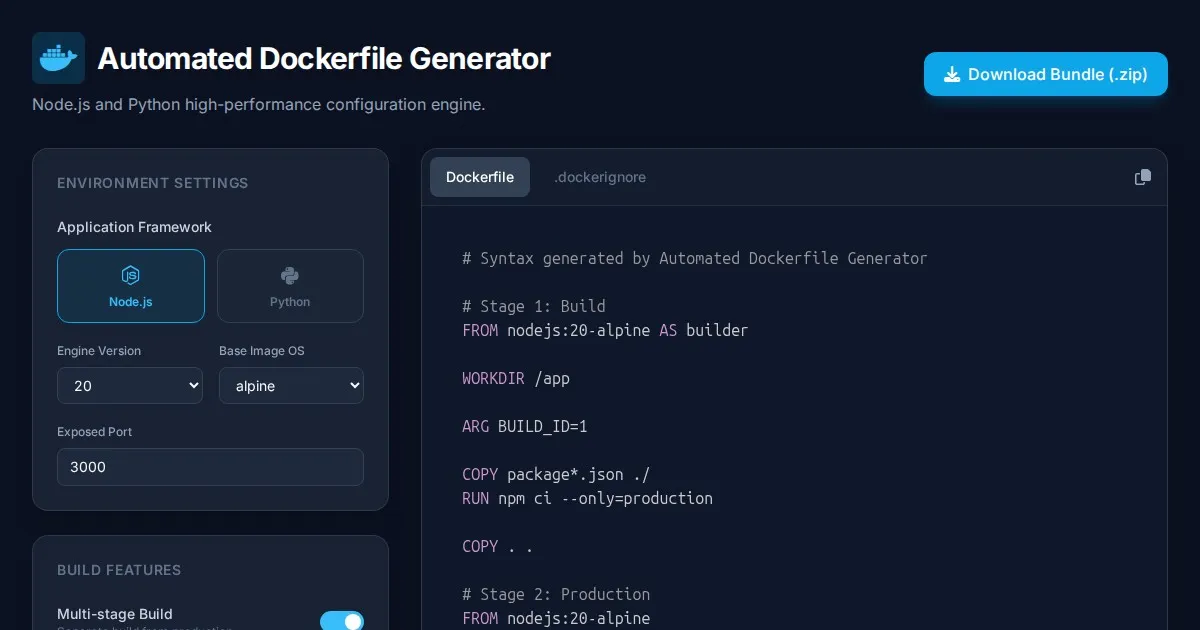
Automated Dockerfile Generator for Node.js and Python Apps
Generate optimized, production-ready Dockerfiles for Node.js and Python applications instantly. Customize base images, port configurations, and dependencies.
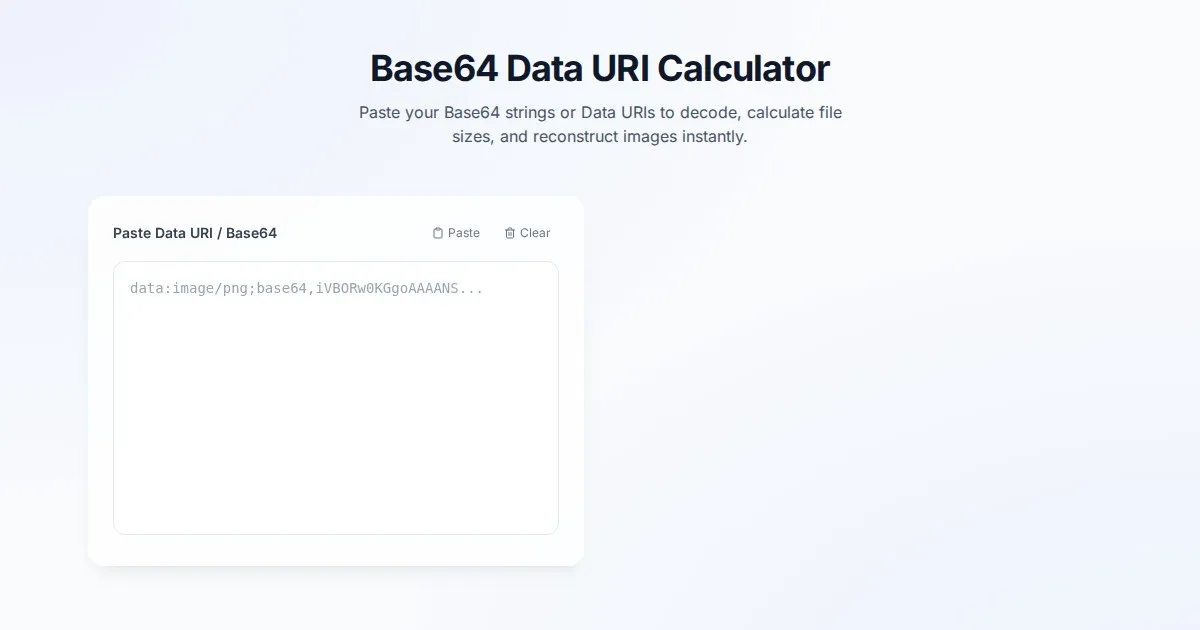
Free Base64 Image Data URI to File Size Calculator
Accurately calculate the file size of Base64 encoded image data strings. This free, web-based tool helps developers estimate binary file sizes for web apps.
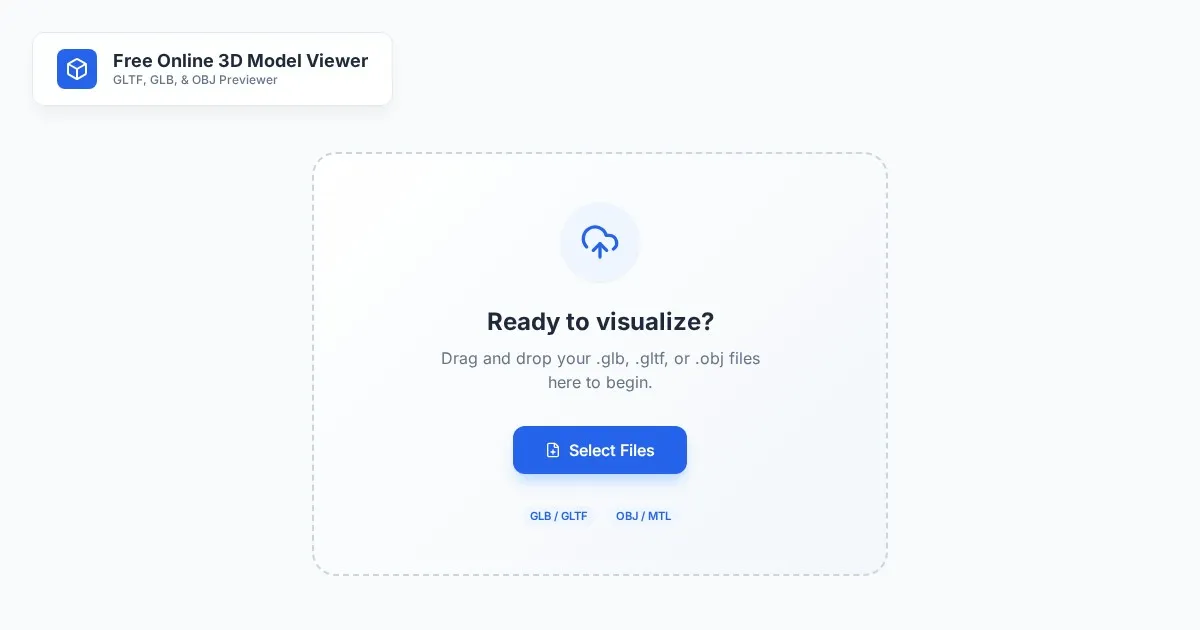
Free Online 3D Model Viewer - GLTF & OBJ File Previewer
Instantly preview 3D models online with this free 3D Model Viewer. Support for GLTF, GLB, and OBJ formats. Drag and drop your files for a fast, browser-based render.

Free Online Color Blindness Simulator & Image Filter Tool
Easily simulate color vision deficiencies like protanopia, deuteranopia, and tritanopia. Upload images to test design accessibility for color blindness.
Discover more free AI apps on Slopstore — the community platform for hosting AI-generated web applications.