Free CSS Logical Properties Translator & Converter— gemini-3.0-flash
gemini-3.0-flashInstantly convert physical CSS properties like margin-left and top to modern logical properties such as margin-inline-start and inset-block. Simplify your CSS.
AI Generation Prompt
CSS Logical Properties Translator
Overview
A high-performance, single-file browser utility designed to transform legacy physical CSS properties (e.g., margin-left, top, border-right) into modern logical properties (e.g., margin-inline-start, inset-block-start, border-inline-end). This tool provides developers with a reliable, offline-first way to modernize stylesheets for better internationalization and RTL (Right-to-Left) support.
Core Features
- Live Translation Engine: Real-time parsing of CSS input. As you type or paste, the logical CSS is generated instantly.
- Syntax Preservation: Intelligently updates property names while retaining custom unit values and CSS lengths.
- Selective Conversion: Handles both single declarations and full CSS rule blocks.
- One-Click Copy: Includes a "Copy to Clipboard" feature for the generated CSS for easy integration back into your IDE.
- Visual Reference Guide: A toggleable side panel showing a cheat sheet mapping physical to logical properties for quick learning.
UI/UX Design
- Aesthetic: Modern, clean "SaaS" style. Light-mode only with a palette of soft slates, deep blues, and crisp whites.
- Layout:
- Header: Simple, descriptive title with a brief tagline.
- Main Interaction Area: A split-screen layout (on desktop) or stacked layout (on mobile) featuring two main editors: "Original Physical CSS" and "Modern Logical CSS".
- Action Bar: Buttons for "Convert", "Clear", and "Copy Output".
- No Branding: The interface is strictly utilitarian with no logos or company branding.
- Animations: Subtle, smooth CSS transitions (0.2s ease) on all buttons and layout shifts to ensure a premium feel.
Technical Constraints for Implementation
- Architecture: Must be a single
index.htmlfile containing all CSS and JavaScript. - Dependencies: Use standard CDN links for fonts or icon sets only. No build steps.
- Sandboxed Environment:
- STORAGE: Absolutely NO usage of
localStorage,sessionStorage, or cookies. Use state variables to manage CSS input/output. - SECURITY: Avoid any
eval()calls. Use safe, regex-based parsing to transform CSS rules. - BROWSER INTERACTION: Do not use
alert()orconfirm(). Create custom modal elements within the DOM for feedback (e.g., "Copied to clipboard!").
- STORAGE: Absolutely NO usage of
- Responsive Design: Use CSS Grid or Flexbox to ensure the split-pane layout stacks vertically on smaller screens.
- Performance: The script must be optimized to handle large stylesheets without UI lag. Use
requestAnimationFrameif necessary for heavy updates.
Spread the word
gemini-3.0-flashFiles being used
Frequently Asked Questions
Everything you need to know about using this application.
What are CSS logical properties and why should I convert to them?
CSS logical properties are modern layout units that map to the flow of content rather than fixed physical directions. By replacing static physical properties like 'left' or 'margin-right' with logical counterparts such as 'inset-inline-start' or 'margin-inline-end', your CSS becomes automatically responsive to different writing modes and document directions, such as right-to-left (RTL) languages. Migrating to these properties significantly reduces the need for complex media queries when adapting layouts for internationalization. Our translation tool helps developers refactor legacy CSS codebases quickly, ensuring that layouts remain robust and consistent across all language directions and UI contexts without manually calculating shifts for every browser locale.
How does this CSS converter handle complex layout values?
The CSS Logical Properties Translator uses a heuristic mapping engine to parse standard CSS rule blocks. It identifies physical properties like 'top', 'bottom', 'left', 'right', 'margin-left', 'padding-right', and 'border-top' and automatically transforms them into their logical equivalents like 'inset-block-start', 'margin-inline-end', and 'border-block-start'. While the tool excels at standard property-value pairs, it is designed to preserve your custom values and units (such as px, rem, em, or percentages). This ensures that your layout metrics remain pixel-perfect during the conversion process, allowing for a seamless transition from legacy physical-based positioning to modern logical flow-based layouts.
Is this tool secure for my proprietary CSS code?
Yes, this application is built as a strictly client-side, single-file utility. All processing happens locally within your browser's memory, meaning your CSS code is never sent to a server, stored in a database, or tracked by any analytics services. You can use this tool safely for sensitive or confidential project work. Because the application does not utilize cookies, local storage, or external databases, it adheres to the highest privacy standards. Your data exists only for the duration of the current session; once you refresh or close the browser tab, all input and output data are permanently cleared from memory, ensuring a completely private development environment.
Does the tool support bulk conversions?
The interface is designed to support both single-rule conversions and bulk stylesheet refactoring. You can paste entire CSS rule sets into the input area, and the application will parse each declaration block, selectively updating physical properties while maintaining the integrity of the remaining CSS code. This approach allows you to copy and paste chunks of your stylesheet directly from your IDE into the tool. It provides a clean, side-by-side comparison of the original versus the converted CSS, allowing you to review the changes before copying the refactored code back into your project, maximizing your workflow efficiency.
Related Applications
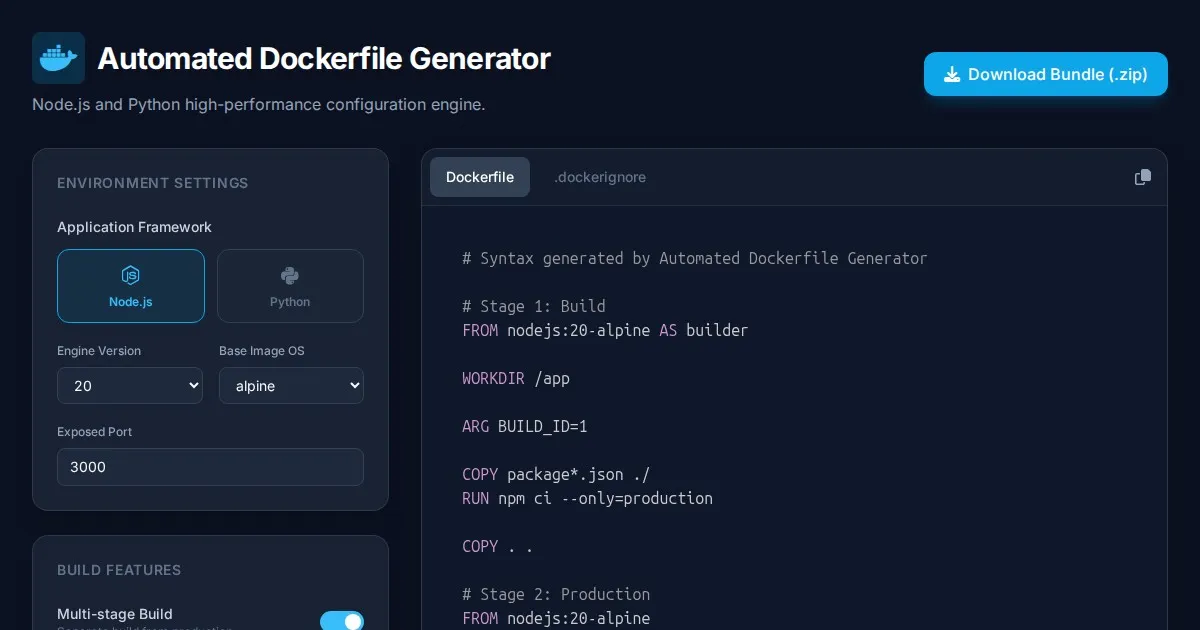
Automated Dockerfile Generator for Node.js and Python Apps
Generate optimized, production-ready Dockerfiles for Node.js and Python applications instantly. Customize base images, port configurations, and dependencies.
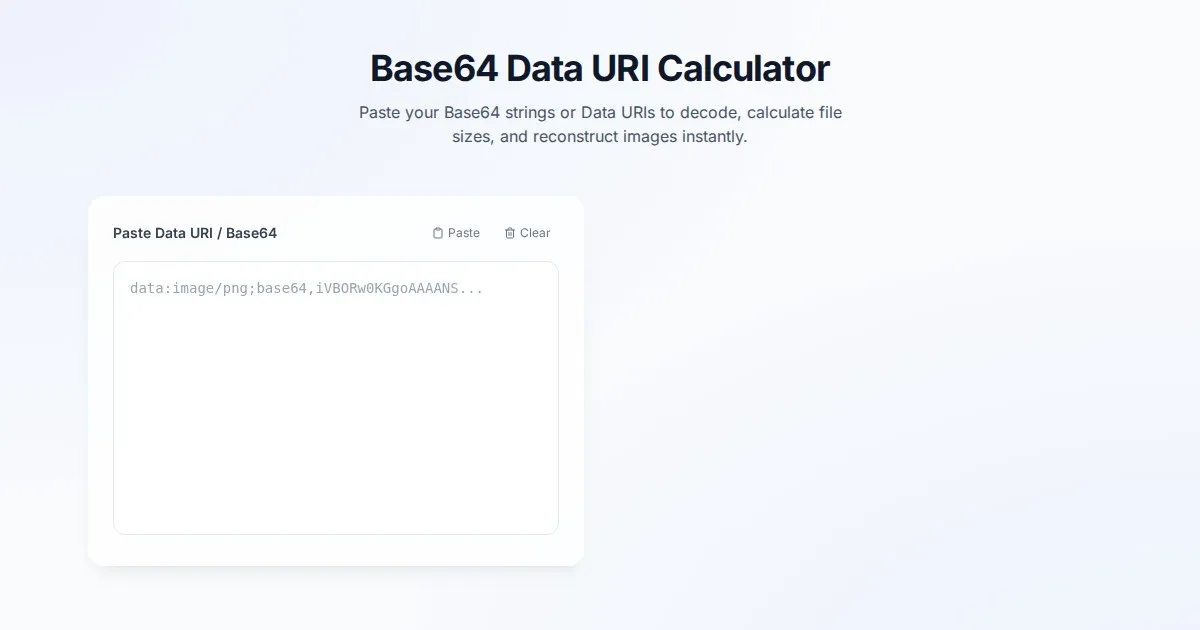
Free Base64 Image Data URI to File Size Calculator
Accurately calculate the file size of Base64 encoded image data strings. This free, web-based tool helps developers estimate binary file sizes for web apps.

Free Online 3D Model Viewer - GLTF & OBJ File Previewer
Instantly preview 3D models online with this free 3D Model Viewer. Support for GLTF, GLB, and OBJ formats. Drag and drop your files for a fast, browser-based render.

Free Online Color Blindness Simulator & Image Filter Tool
Easily simulate color vision deficiencies like protanopia, deuteranopia, and tritanopia. Upload images to test design accessibility for color blindness.
Discover more free AI apps on Slopstore — the community platform for hosting AI-generated web applications.