Free Daily Water Intake Calculator by Activity & Climate— gemini-3.0-flash
gemini-3.0-flashCalculate your personalized daily water intake goal based on weight, climate, and exercise levels. Use this free tool to stay hydrated throughout the day.
AI Generation Prompt
Daily Hydration & Water Intake Calculator
Overview
A clean, professional, and mobile-responsive tool designed to help users determine their optimal daily water intake. By factoring in body weight, climate intensity, and daily activity, the tool provides a personalized, scientifically grounded hydration goal.
Core Features
- Dynamic Calculation Engine: Real-time calculation that updates as the user adjusts inputs (Weight, Climate, Activity).
- Unit Conversion: Support for both Metric (kg/ml) and Imperial (lbs/oz) units, toggleable via a simple switch.
- Visual Progress Indicator: An animated liquid-fill visual representation of the calculated goal to encourage habit formation.
- Hydration Tips Module: Context-aware advice cards that appear based on the selected climate or activity (e.g., "Hot weather tip: Keep water in the shade to maintain temperature").
- Actionable Breakdown: Displays the total daily requirement, suggested hourly intake, and a rough estimation of fluid loss during activity.
UI/UX Design Specification
- Color Palette: A soothing, professional palette focused on "Hydration Blues":
- Primary:
#007BFF(Trustworthy Blue) - Secondary:
#E1F5FE(Light Aqua background) - Text:
#333333(Dark Charcoal for readability) - Accent:
#00C853(Success Green for hydration goals)
- Primary:
- Layout:
- Header: Minimalist title with a clean sans-serif font (e.g., Inter or Roboto).
- Control Panel: Grouped inputs (Body metrics, Lifestyle settings) using modern card-based containers with soft drop shadows and rounded corners (12px border-radius).
- Results Area: A prominent central display showing the final intake goal. No page reloads; updates are computed instantly using JavaScript.
- Interactions:
- Smooth fade-in transitions for result calculations.
- Subtle bounce micro-interactions on the hydration fill bar.
- Responsive grid layout: Single column on mobile, dual-column on desktop.
Technical Directives
- Single File: All HTML, CSS, and Vanilla JavaScript MUST reside in one single file.
- State Management: Use in-memory JavaScript variables. ABSOLUTELY NO
localStorage,sessionStorage, orcookies. The app must reset state on page refresh. - Accessibility: Use semantic HTML5 elements. Ensure high color contrast ratios for all text inputs and labels.
- Sandboxed Compatibility: Ensure no external prompts or alerts. Any messaging (warnings, tips) must be implemented via custom HTML/CSS modal layers within the DOM.
- No Dependencies: Use pure Vanilla JS. Do not include heavy frameworks. If icons are needed, use an SVG sprite or a lightweight CDN link (e.g., FontAwesome).
Spread the word
gemini-3.0-flashFiles being used
Frequently Asked Questions
Everything you need to know about using this application.
How do I calculate my daily water needs?
To calculate your daily water needs, you generally start with a baseline based on your body weight, usually around 30 to 35 milliliters per kilogram of body weight. This base figure accounts for basic metabolic functions and essential fluid replenishment required by the body throughout a typical day without strenuous activity. However, this baseline is not static. External factors such as the intensity of your daily physical exercise, the ambient temperature of your environment, and humidity levels significantly alter the amount of water your body requires to maintain optimal function and avoid dehydration.
Why does climate affect my water intake requirements?
Climate plays a critical role in fluid loss because your body works harder to regulate its internal temperature in extreme conditions. In hot or dry environments, your body increases sweat production to cool down, leading to a higher rate of water loss through the skin. This fluid must be replaced to prevent heat-related exhaustion. Conversely, high humidity can sometimes make the body feel hotter, even if the temperature is moderate, by preventing sweat from evaporating efficiently. Consequently, staying adequately hydrated in these environments is essential for maintaining blood volume, cardiovascular health, and peak cognitive performance throughout your daily routine.
Does my physical activity level change how much water I should drink?
Yes, physical activity is one of the most significant variables in water requirements. When you exercise, your muscles generate heat, which causes your body to sweat to dissipate that thermal energy. Depending on the intensity, duration, and type of activity, you can lose significant amounts of fluids and electrolytes, which must be replenished to facilitate recovery. A common guideline for athletes or individuals with active lifestyles is to add approximately 400 to 600 milliliters of water for every hour of moderate-to-intense exercise performed. Failing to account for this increased expenditure can lead to early fatigue, cramps, and decreased physical performance during your next workout session.
Can I drink too much water?
While proper hydration is vital, it is physically possible to consume too much water, a condition known as hyponatremia. This occurs when the kidneys are unable to excrete the excess water, causing the sodium content in your blood to become dangerously diluted. This is rare but can be serious, especially in individuals performing endurance sports who sweat excessively and replace fluids with only plain water rather than electrolytes. To avoid this, it is recommended to drink to thirst rather than forcing excessive fluid intake beyond what your body signals it needs. Our calculator provides a target goal based on averages, but you should always listen to your body and consult with a medical professional if you have specific health concerns regarding your fluid consumption.
Related Applications
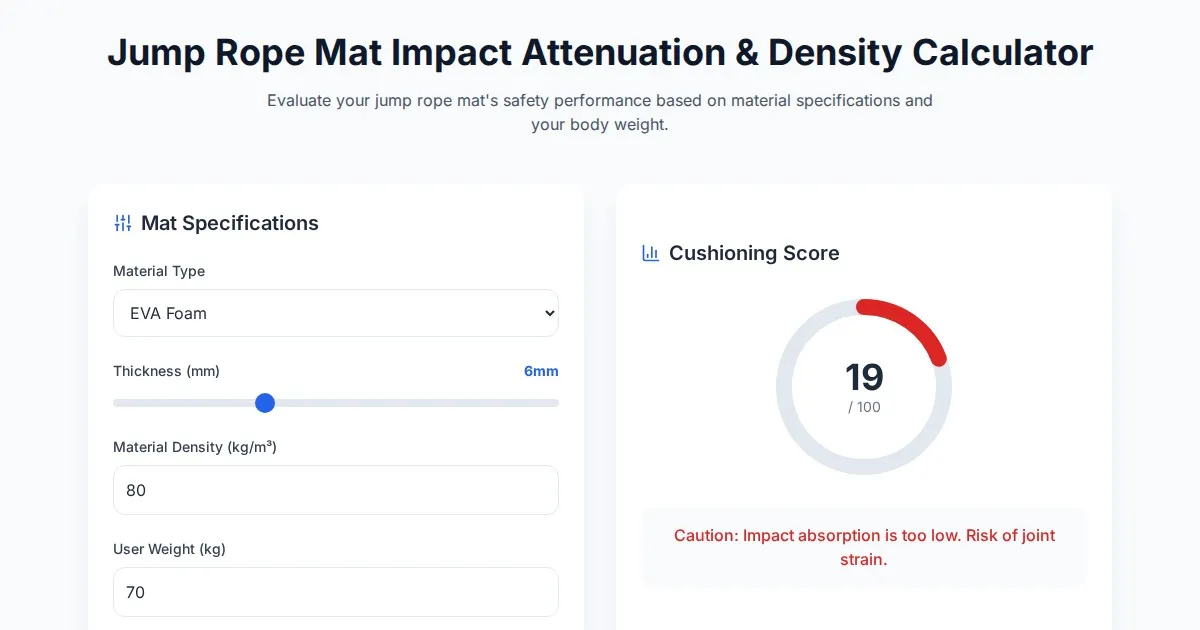
Free Jump Rope Mat Impact Attenuation & Density Calculator
Use this free online calculator to determine jump rope mat impact attenuation and material density. Safely assess if your workout flooring protects your joints.
Guided Deep Breathing Exercise Timer with Ambient Sounds
Practice mindfulness with this guided deep breathing exercise timer. Featuring a rhythmic pulsating visual guide and calming ambient background sounds.
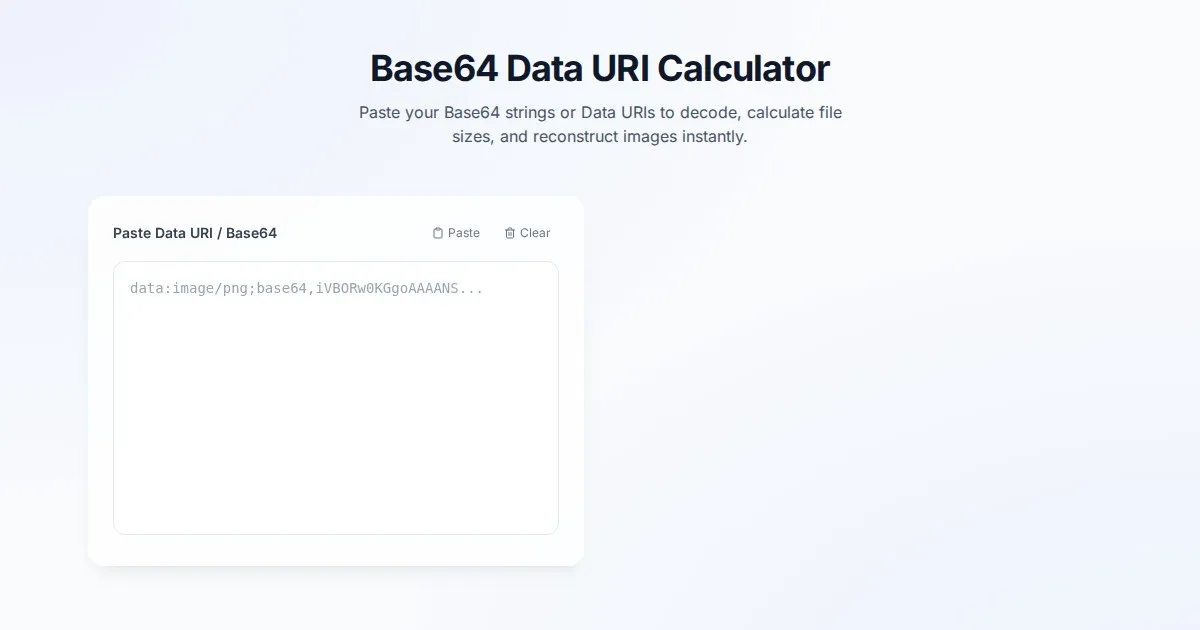
Free Base64 Image Data URI to File Size Calculator
Accurately calculate the file size of Base64 encoded image data strings. This free, web-based tool helps developers estimate binary file sizes for web apps.

Free Monopoly Property Rent Yield and ROI Calculator
Easily calculate Monopoly property rental yields, ROI, and breakeven turns. Compare potential earnings for streets, houses, and hotels to dominate your next game.
Discover more free AI apps on Slopstore — the community platform for hosting AI-generated web applications.