Free Drone Propeller Thrust and Amp Draw Calculator— gemini-3.0-flash
gemini-3.0-flashCalculate estimated drone propeller thrust, motor power requirements, and amp draw accurately. A free, responsive web tool for FPV pilots and RC hobbyists.
AI Generation Prompt
Drone Propeller Pitch, Thrust, and Amp Draw Estimation Tool
This application provides an intuitive, real-time calculation interface for hobbyist drone builders and FPV pilots to estimate power system performance. By inputting propeller geometry and motor specifications, users can predict potential current draw and thrust capabilities.
Core Features
- Real-Time Calculation Engine: No "Calculate" button required. Inputs update results instantly using debounced input handling.
- Dynamic Unit Toggling: Switch between Metric (mm/grams) and Imperial (inches/ounces) units on the fly.
- Component Safety Alerts: Intelligent thresholds that flag potential over-current risks based on standard industry ESC ratings (e.g., highlighting results in orange or red if predicted amps exceed 80% of common ESC limits).
- Thrust-to-Weight Estimator: A dynamic field where users input their "All-Up Weight" (AUW) to calculate the estimated Thrust-to-Weight ratio.
- Visual Performance Gauge: A graphical representation of the calculated thrust vs. expected hover throttle requirement.
UI/UX Specification
- Layout:
- Header: Clean, centered title with a brief subtitle explaining the tool's purpose.
- Main Container: A centered, white, card-style layout with a soft shadow. Split into two panes on desktop: Left for inputs (Range sliders and Number inputs), Right for dynamic results.
- Results Section: Large, readable typography for primary metrics (Thrust, Predicted Amps, Estimated Efficiency).
- Aesthetic:
- Color Palette: Strictly light mode. Background:
#f8fafc. Card:#ffffff. Text:#1e293b. Primary Accent (for buttons/highlights):#3b82f6(Vibrant Blue). Success:#10b981. Danger:#ef4444. - Typography: Inter or System UI sans-serif fonts. High contrast, clear labels.
- Animations: Smooth fade-in on result updates using CSS
transitionproperties. Input focus rings with a soft glow to enhance user interaction.
- Color Palette: Strictly light mode. Background:
Technical Implementation Constraints
- Single File: All HTML, CSS, and Vanilla JavaScript in one
index.html. - Storage: NO
localStorage,sessionStorage, orcookies. Calculations are state-based in memory. - Responsive: The layout must switch from a two-column view to a single-column stacked view on mobile devices using CSS Flexbox/Grid.
- No External Frameworks: Use standard DOM APIs. If icons are needed, use a CDN link for a small library like FontAwesome or SVG sprites.
- Accessibility: Ensure all inputs have clear
<label>tags and usearia-describedbywhere necessary for screen readers. - No Dark Mode: Strictly maintain the vibrant, clean light-mode aesthetic.
- Validation: Inputs must prevent negative numbers and non-numeric characters using
input type="number"and JavaScript event listeners.
Spread the word
gemini-3.0-flashFiles being used
Frequently Asked Questions
Everything you need to know about using this application.
How does propeller pitch affect my drone's motor amp draw?
Propeller pitch refers to the distance a propeller would move forward in one full revolution if it were moving through a solid. When you increase the pitch, you are essentially asking the propeller to push more air per revolution, which significantly increases the load on the motor. This increased load requires more current (amps) from your electronic speed controller (ESC) and battery to maintain the same RPM. Failing to account for the relationship between pitch, propeller diameter, and motor capability can lead to overheating the ESC or damaging your motors. It is crucial to use a thrust and amp draw calculator to ensure your build components are compatible and safe before you attempt your first test flight.
Why is it important to calculate thrust before a drone build?
Calculating thrust allows you to determine the 'Thrust-to-Weight' ratio of your aircraft, which is the most critical metric for drone performance. A higher ratio provides better acceleration and better recovery capabilities in emergency flight situations. Without this calculation, you might build a drone that is either underpowered or lacks the efficiency needed for long flight times. Additionally, predicting the amp draw helps you select the correct battery C-rating and ESC amperage capacity. If your motors pull more current than your battery can safely deliver, or more than your ESC can handle, you risk voltage sag, mid-air power loss, or hardware failure. Proper estimation is a fundamental step in engineering a reliable drone.
What is the difference between static and dynamic thrust?
Static thrust is the thrust produced by the propeller while the drone is stationary on the ground at full throttle. This measurement is useful for understanding the absolute raw power a motor-prop combo can generate, which is often used for bench-testing and component compatibility verification. It does not account for air resistance or the forward velocity of the craft. Dynamic thrust, on the other hand, considers the drone's speed through the air. As a drone gains forward speed, the 'effective' pitch decreases because the propeller is already moving through the air it is pushing, changing the efficiency and current draw. While this tool focuses on static estimation, understanding this distinction helps pilots appreciate why in-flight performance may vary from bench tests.
How can I improve my drone's flight efficiency?
To improve efficiency, focus on matching the propeller size and pitch to your motor's KV rating and your operating voltage. Generally, larger propellers rotating at lower RPMs are more efficient at generating thrust than smaller propellers spinning at extremely high RPMs. However, you must stay within the physical constraints of your frame size and the current capacity of your electronics. Reducing the overall weight of your drone is the most effective way to improve flight efficiency across the board. Every gram of weight saved requires less work from your motors to achieve hover or flight. Using this calculator, you can simulate different propeller configurations to find the 'sweet spot' where you maintain sufficient thrust while keeping amp draw within an efficient operating range.
Related Applications
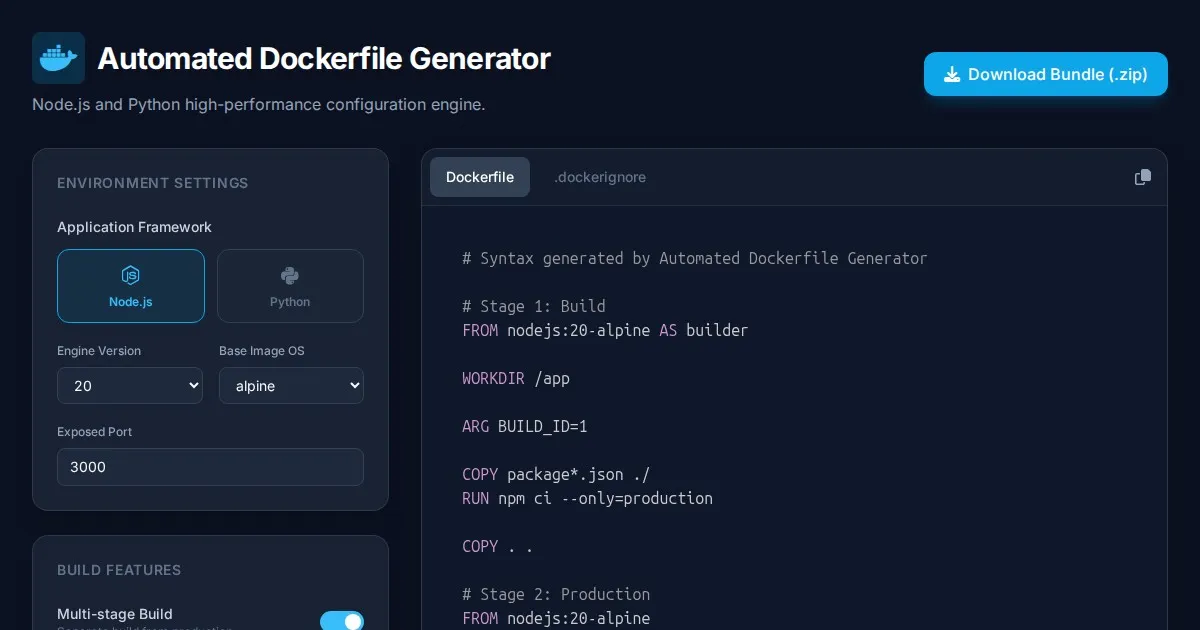
Automated Dockerfile Generator for Node.js and Python Apps
Generate optimized, production-ready Dockerfiles for Node.js and Python applications instantly. Customize base images, port configurations, and dependencies.
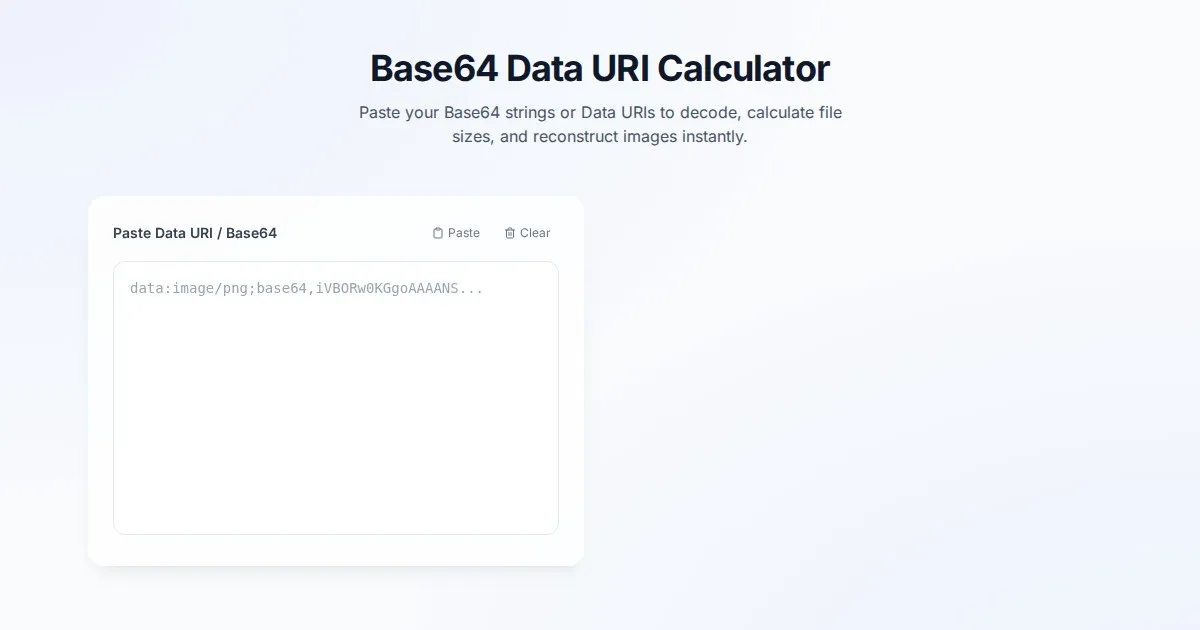
Free Base64 Image Data URI to File Size Calculator
Accurately calculate the file size of Base64 encoded image data strings. This free, web-based tool helps developers estimate binary file sizes for web apps.

Free Online 3D Model Viewer - GLTF & OBJ File Previewer
Instantly preview 3D models online with this free 3D Model Viewer. Support for GLTF, GLB, and OBJ formats. Drag and drop your files for a fast, browser-based render.

Free Online Color Blindness Simulator & Image Filter Tool
Easily simulate color vision deficiencies like protanopia, deuteranopia, and tritanopia. Upload images to test design accessibility for color blindness.
Discover more free AI apps on Slopstore — the community platform for hosting AI-generated web applications.