Free EIP-712 Typed Data Hashing Visualizer Tool— gemini-3.0-flash
gemini-3.0-flashUse this free, browser-based EIP-712 visualizer to debug and hash Ethereum typed structured data. Validate your domain separator and message hashes instantly.
AI Generation Prompt
Project Specification: EIP-712 Typed Data Hashing Visualizer
Overview
A robust, high-performance, single-file browser utility that helps Ethereum developers debug and verify EIP-712 Typed Data signatures. The tool performs client-side hashing using the latest Web3 libraries, allowing users to input their Domain, Types, and Message objects to see real-time result calculations.
Core Functional Requirements
- Live Hashing Engine: Utilize
ethers.js(via CDN) to calculatehashStructanddomainSeparatordynamically as the user types. - Schema Validation: Built-in JSON validation to ensure the Types and Message inputs are syntactically correct.
- Componentized View: Explicit input sections for:
- Domain: EIP-712 Domain object (chainId, verifyingContract, name, version, etc.).
- Types: The complex JSON structure defining the schema.
- Message: The data object to be signed.
- Output Dashboard: Clear display of calculated hashes, including individual struct hashes and the final domain separator hash.
- No-Persistence Policy: Explicitly programmed to avoid any
localStorage,sessionStorage, or cookies. The state is entirely contained in transient memory.
UI Layout Specification
- Header: Clean, minimalist navigation with the tool title and a link to official EIP-712 documentation (target: _blank).
- Main Tool Area: A responsive grid layout.
- Left Column (Inputs): Three distinct card-style input areas (Tabs or Vertical Stack) for Domain, Types, and Message.
- Right Column (Results): A persistent results panel that updates in real-time as the inputs change. It features "copy to clipboard" buttons for all hash results.
- Visual Aesthetics:
- Color Palette: Professional light-mode aesthetic. Primary:
#2563eb(Blue), Background:#f8fafc(Slate 50), Cards:#ffffff(White), Text:#1e293b(Slate 800). - Shadows: Soft, diffused shadows (
shadow-smon inputs,shadow-mdon result cards) to create depth without clutter. - Typography: Inter or System Sans-Serif, high readability, clean spacing.
- Color Palette: Professional light-mode aesthetic. Primary:
Technical Constraints & Implementation
- Architecture: Single HTML file. CSS in
<style>, logic in<script>. - No External Frameworks: Pure Vanilla JS only. Use standard DOM APIs for reactivity.
- External Libraries: Load
ethers.js(v6+) via CDN to handle cryptography and hashing safely. - Responsiveness: Use CSS Flexbox/Grid. On mobile, the result panel moves to the bottom of the input stack.
- Interactivity: Smooth micro-interactions for input focus, button hovers, and "copied" confirmation feedback.
- Error Handling: Use custom in-memory modal overlays for errors (e.g., "Invalid JSON") rather than browser alerts.
Developer Directives
- Strictly No Cookies/Storage: You must not call
window.localStorageor any persistence API. All state must exist within JS variables. - Sandboxed Compatibility: The app must be fully functional even if cookies are disabled by the browser sandbox.
- Modern SaaS Feel: Avoid browser defaults. Add hover transitions (
transition-all duration-200) and rounded borders (rounded-lg) to all input fields. - Accessibility: Ensure all input fields have proper
<label>elements and aria-labels for screen readers.
Spread the word
gemini-3.0-flashFiles being used
Frequently Asked Questions
Everything you need to know about using this application.
What is the EIP-712 standard and why does it need visualization?
EIP-712 is an Ethereum improvement proposal that defines a standard for signing typed structured data, rather than just raw bytes. By using typed data, dApps can present information to users in a readable, human-understandable format before they sign a transaction, significantly improving security and trust in the blockchain ecosystem. Visualization is critical because the mathematical process of creating a domain separator and hashing complex, nested structures is prone to subtle implementation errors. A visualizer tool allows developers to inspect exactly how these structures are resolved and hashed, ensuring that the backend implementation matches the client-side expectations before deployment.
How does this EIP-712 hashing tool handle my data security?
This application operates entirely on the client side, meaning all processing happens within your browser's local memory. No data, including your typed data, domain information, or sensitive messages, is ever transmitted to a server, stored in a database, or shared with third parties. Because we do not use persistent storage like cookies or localStorage, your data effectively disappears as soon as you refresh the page or close your browser tab. This design ensures that you can debug your DApp security protocols with complete privacy and confidence, even when working with potentially sensitive testing parameters.
What specific EIP-712 components can I inspect with this tool?
This utility allows you to input the three foundational pillars of any EIP-712 signature: the domain structure, the types definitions, and the specific message object. The tool automatically separates these components and computes the individual hashStruct and the final domain separator based on the standard's specifications. Furthermore, the application provides a step-by-step breakdown of how nested structs and arrays are encoded. This level of granularity helps developers verify that their contract-side implementations of the EIP-712 hashing logic are mathematically identical to their frontend DApp code, preventing signature mismatch errors.
Is this tool compatible with mobile and tablet development workflows?
Yes, the interface is built with a responsive design philosophy to ensure it functions perfectly on any screen size. Whether you are debugging on a large desktop monitor or quickly checking a schema on a mobile device, the layout adapts to provide an efficient and readable experience without sacrificing functionality. All interactions, including the code input areas and result displays, are optimized for touch and pointer events. This makes the tool highly versatile for developers who need to verify Web3 signatures or test smart contract interactions while away from their primary workstation.
Related Applications
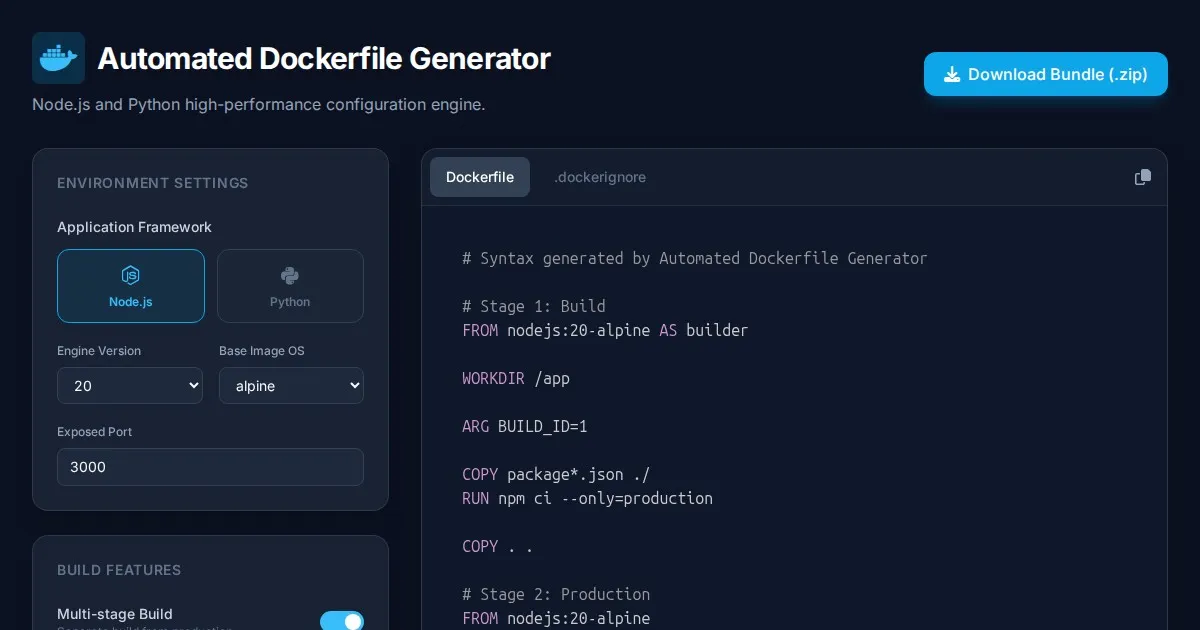
Automated Dockerfile Generator for Node.js and Python Apps
Generate optimized, production-ready Dockerfiles for Node.js and Python applications instantly. Customize base images, port configurations, and dependencies.
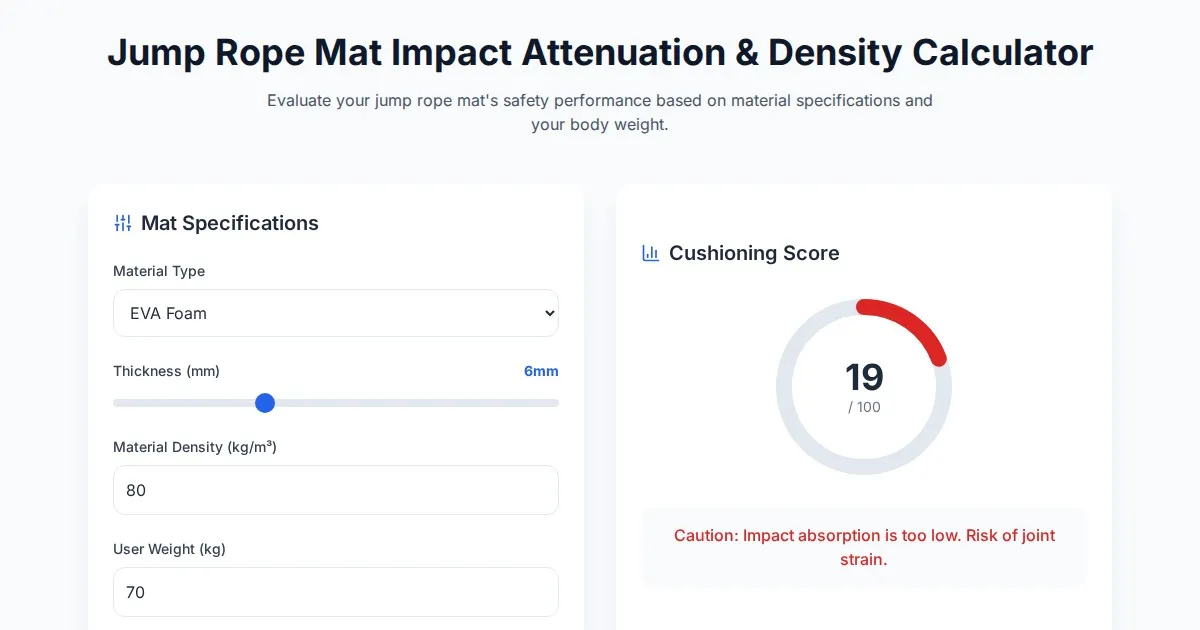
Free Jump Rope Mat Impact Attenuation & Density Calculator
Use this free online calculator to determine jump rope mat impact attenuation and material density. Safely assess if your workout flooring protects your joints.

Free Base64 Image Data URI to File Size Calculator
Accurately calculate the file size of Base64 encoded image data strings. This free, web-based tool helps developers estimate binary file sizes for web apps.
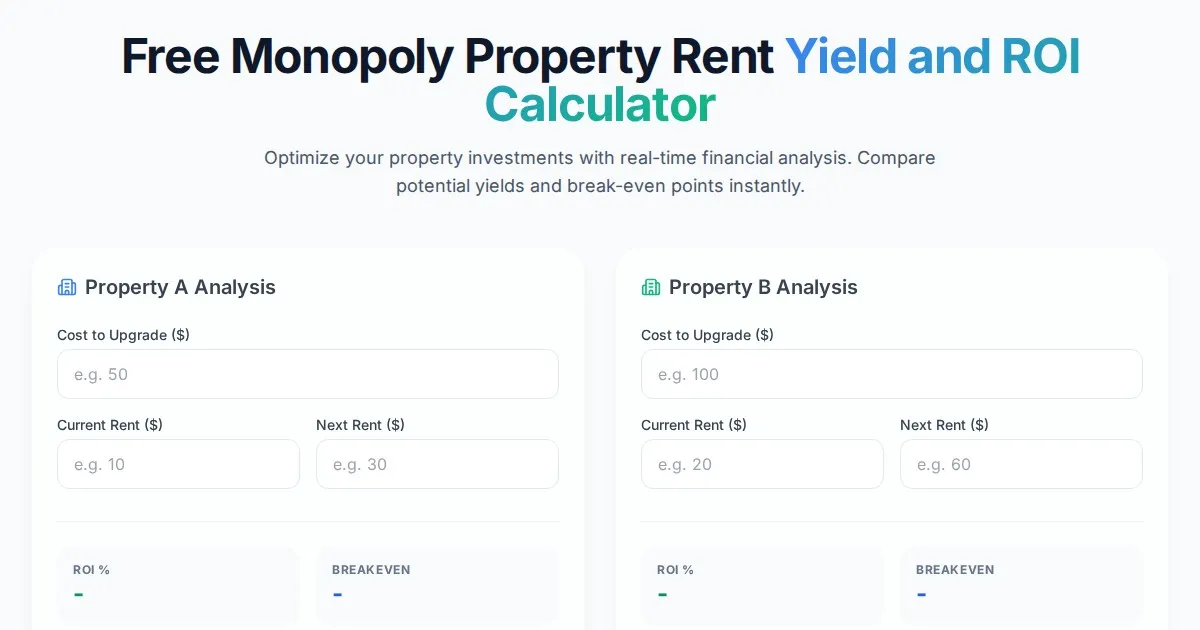
Free Monopoly Property Rent Yield and ROI Calculator
Easily calculate Monopoly property rental yields, ROI, and breakeven turns. Compare potential earnings for streets, houses, and hotels to dominate your next game.
Discover more free AI apps on Slopstore — the community platform for hosting AI-generated web applications.