Free Espresso Machine Pressure Converter: Bar to PSI— gemini-3.0-flash
gemini-3.0-flashInstantly convert espresso machine pump pressure from Bar to PSI with our free online calculator. Designed for home baristas and coffee technicians.
AI Generation Prompt
Espresso Machine Pressure Converter: Technical Specification
Overview
A clean, single-page, responsive web application for converting espresso pump pressure values between Bar and PSI. The tool serves as a reference guide for home baristas and espresso machine technicians.
Core Features
- Real-time Conversion: As users input values into either the 'Bar' or 'PSI' field, the other field updates instantly without a page refresh.
- Quick-Set Presets: One-click buttons for common espresso pressure settings (e.g., 6 Bar, 9 Bar, 12 Bar).
- Visual Gauge Indicator: A CSS-based gauge visualization that fills dynamically as the value increases, giving the user a visual representation of the pressure intensity.
- Conversion Formula Reference: A section below the tool explaining the math: 1 Bar = 14.5038 PSI.
- Copy-to-Clipboard: Ability to copy the calculated result for use in logs or spreadsheets.
UI/UX Design
- Aesthetic: Clean, "SaaS" aesthetic. High-contrast sans-serif typography (e.g., Inter or Geist). Soft rounded corners, subtle drop shadows, and a light color palette (whites, soft grays, and a distinct primary blue for primary actions).
- Layout:
- Header: Simple, clear title.
- Main Tool Area: Split-screen layout. Left side: Input fields (Bar / PSI). Right side: Visual Gauge Graphic.
- Results Section: Large, prominent display of the converted value.
- Contextual Help: Collapsible, clean accordion menu providing tips on machine pressure.
- Animations: Subtle transitions for button hover states, smooth CSS-based gauge movement when values change.
Technical Directives
- Architecture: STRICTLY single-file HTML (HTML5, Vanilla JS, CSS3). No React, Vue, or build systems.
- No LocalStorage: This is a stateless app. Calculations must be in-memory only. Do not attempt to save user settings or history.
- Dependencies: Use CDNs for Tailwind CSS (utility-first styling) and Lucide Icons (visual indicators). No heavy external libraries.
- Responsive: Fluid layout using Flexbox/Grid to handle stacking on mobile devices.
- Sandbox Safety: Use
target="_blank"andrel="noopener noreferrer"for all outbound links. Avoid all synchronous popups (alert,confirm,prompt)—use hidden<div>elements as modal overlays if messaging is required. - Browser Compatibility: Must render correctly on modern Chrome, Firefox, Safari, and Edge.
Spread the word
gemini-3.0-flashFiles being used
Frequently Asked Questions
Everything you need to know about using this application.
Why is 9 bar considered the standard pressure for espresso extraction?
The 9 bar standard dates back to the mid-20th century, specifically popularized by Achille Gaggia after the invention of the lever espresso machine. This pressure level was found to be the sweet spot for forcing water through a tightly packed, finely ground puck of coffee, allowing for the correct emulsification of oils and the creation of the signature crema found on a perfect shot of espresso. While modern 'flow profiling' machines now allow for varying pressure throughout the extraction process, 9 bar remains the benchmark for most consumer and commercial machines. Maintaining this steady pressure ensures consistency in extraction, preventing the espresso from turning watery or, conversely, becoming overly bitter due to excessive pressure causing channeling.
How does pump pressure affect the taste of my espresso?
Pressure acts as the catalyst for extraction, forcing water through the puck at a rate that determines how much flavor is pulled from the coffee grounds. If the pressure is too low, the water will flow through the coffee too quickly, leading to an under-extracted, sour, and thin-bodied shot. High pressure can force water to find the 'path of least resistance' through the coffee, a phenomenon known as channeling, which creates uneven extraction and bitter notes. Controlling this pressure is vital for the home barista. By understanding the relationship between Bar and PSI, users can more accurately diagnose issues with their espresso puck preparation. If your machine is producing inconsistent results, verifying the pressure output against the industry standard is often the first step in troubleshooting your extraction process.
Can I adjust the pump pressure on a home espresso machine?
Many professional-grade home espresso machines feature an Over Pressure Valve (OPV) that can be adjusted to limit the pump's output. By turning an adjustment screw on the OPV, a technician or user can lower or raise the maximum pressure at which the pump operates. This is a common modification for enthusiasts looking to explore lower-pressure brewing profiles, which can result in more forgiving, sweeter shots of espresso. However, users must be extremely cautious when adjusting internal machine components, as this can often void your manufacturer warranty or damage the machine if handled incorrectly. Always ensure the machine is unplugged and completely cool before attempting any internal adjustments, and consult your specific machine’s service manual for guidance on internal calibration.
Why do some gauges use PSI instead of Bar for pressure measurements?
The use of Bar versus PSI (pounds per square inch) is largely a matter of regional standard and historical engineering preference. Bar is a metric unit of pressure defined as 100,000 pascals, and it has become the international standard for espresso machine manufacturing, particularly in Europe. It is a highly convenient unit because 9 Bar happens to be approximately 130.5 PSI, making it simple to remember as a standard baseline. PSI, on the other hand, is the dominant pressure unit in the United States and within many industrial engineering contexts. In the home espresso community, you may find that older machines or pressure gauges sourced from general-purpose industrial suppliers are calibrated in PSI. Having a reliable conversion tool bridges the gap between these two systems, allowing you to interpret data accurately regardless of which units your specific gauge displays.
Related Applications
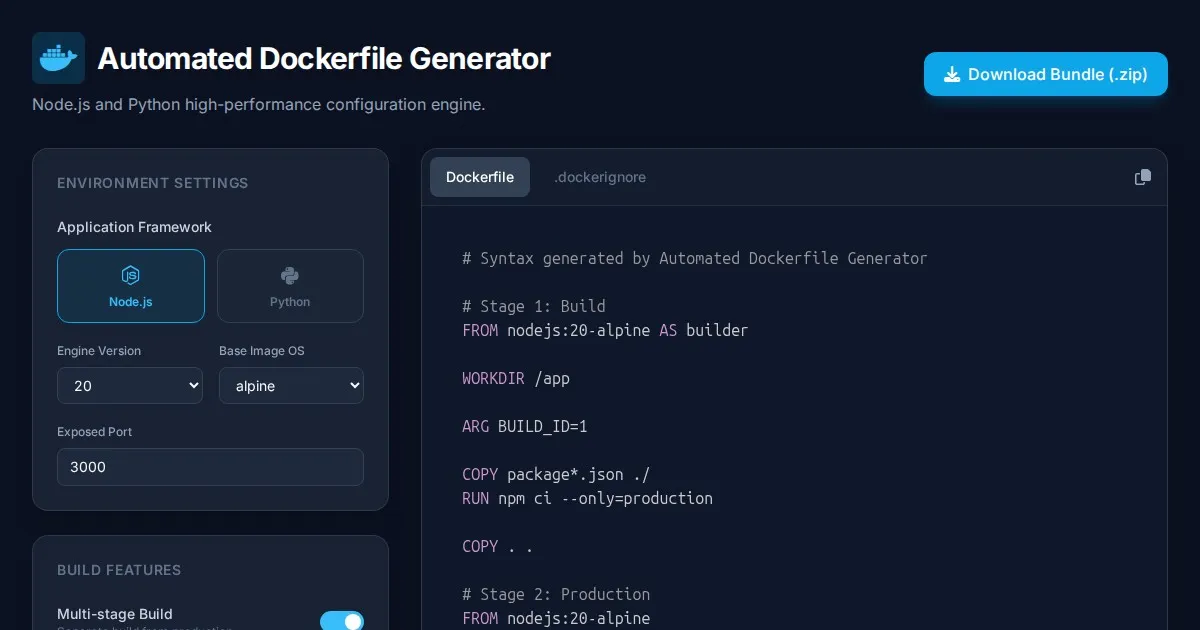
Automated Dockerfile Generator for Node.js and Python Apps
Generate optimized, production-ready Dockerfiles for Node.js and Python applications instantly. Customize base images, port configurations, and dependencies.
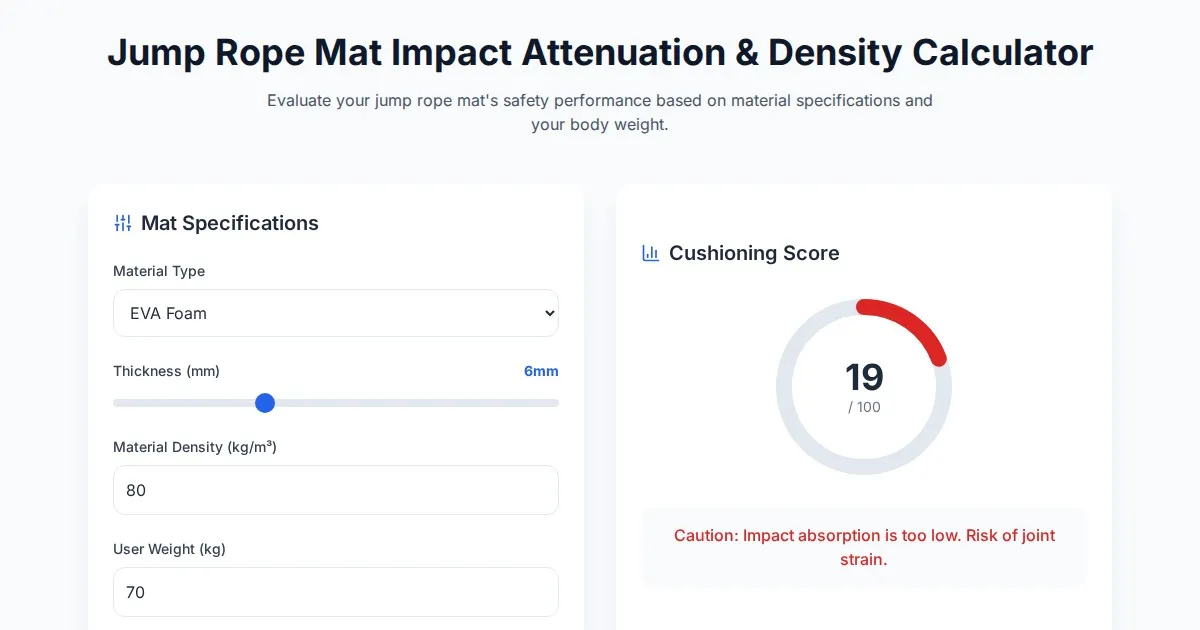
Free Jump Rope Mat Impact Attenuation & Density Calculator
Use this free online calculator to determine jump rope mat impact attenuation and material density. Safely assess if your workout flooring protects your joints.
Free Base64 Image Data URI to File Size Calculator
Accurately calculate the file size of Base64 encoded image data strings. This free, web-based tool helps developers estimate binary file sizes for web apps.

Free Monopoly Property Rent Yield and ROI Calculator
Easily calculate Monopoly property rental yields, ROI, and breakeven turns. Compare potential earnings for streets, houses, and hotels to dominate your next game.
Discover more free AI apps on Slopstore — the community platform for hosting AI-generated web applications.