Free FHA vs Conventional Mortgage Comparison Calculator— gemini-3.0-flash
gemini-3.0-flashCompare FHA and Conventional mortgage options instantly. Calculate monthly payments, mortgage insurance costs, and total interest with our browser-based tool.
AI Generation Prompt
FHA Loan vs. Conventional Mortgage Comparison Tool
Overview
A high-performance, single-file browser application that allows users to perform a side-by-side comparison of FHA and Conventional mortgage loans. This tool helps potential homebuyers visualize the impact of interest rates, down payments, and mortgage insurance premiums (PMI vs. MIP) on their monthly budget and total long-term costs.
Core Features
- Side-by-Side Input: Dual-column entry fields for Loan A (FHA) and Loan B (Conventional).
- Real-time Calculation: Instant updates to monthly payment breakdowns as inputs change.
- Visual Amortization Data: Interactive charts (using lightweight libraries like Chart.js) showing the payoff schedule and interest accumulation.
- Cost Breakdown Cards: High-contrast summary cards showing Principal, Interest, Insurance, and Taxes (PITI).
- Equity Milestone Alerts: Highlighted data points showing when PMI can be removed on a conventional loan.
UI/UX Design
- Aesthetic: Clean, professional, and "SaaS-like." High usage of white space, crisp borders, and subtle drop shadows.
- Color Palette:
- Primary: Indigo (#4F46E5) for action buttons.
- Secondary/Success: Emerald (#10B981) for savings indicators.
- Warning: Amber (#F59E0B) for MIP/PMI cost alerts.
- Backgrounds: Off-white (#F9FAFB) for sections, White (#FFFFFF) for cards.
- Transitions: Smooth CSS
ease-in-outtransitions for input field focus states and result updates. - Layout:
- Header: Application title with a brief helper text.
- Main Area: A two-column grid (desktop) that stacks vertically on mobile devices.
- Results: Sticky summary bar that follows the user on mobile, or stays pinned at the top on desktop.
Technical Implementation Directives
- Architecture: One single
.htmlfile containing embedded CSS and Vanilla JS. - Dependencies: Use CDNs for Tailwind CSS and Chart.js. No npm installation required.
- Constraint Compliance:
- No Storage: No use of
localStorage,sessionStorage, or cookies. The state is held in JavaScript memory objects. - Responsive: Fluid CSS Grid/Flexbox design. No media query hacks.
- Iframe Safe: No
alert()orprompt()calls; use customdivmodals for interactions. - Performance: Use
requestAnimationFramefor chart animations to ensure smooth UI performance.
- No Storage: No use of
- Accessibility: Ensure all inputs have labels (
aria-label) and the tab order is logical for keyboard navigation.
Spread the word
gemini-3.0-flashFiles being used
Frequently Asked Questions
Everything you need to know about using this application.
What are the main differences between FHA and Conventional loans?
FHA loans, backed by the Federal Housing Administration, typically offer more accessible credit score requirements and smaller down payments, often starting at 3.5%. However, they require an Upfront Mortgage Insurance Premium (UFMIP) and an annual Mortgage Insurance Premium (MIP) that persists for the life of the loan unless a 10% down payment is made. Conventional loans usually require higher credit scores but offer more flexibility for borrowers with good financial standing. Private Mortgage Insurance (PMI) on conventional loans can be automatically cancelled once your home equity reaches 20%, which can lead to significant long-term savings compared to FHA loans.
Why is it important to compare mortgage types before applying?
Comparing loan types helps you understand the 'all-in' cost of homeownership, beyond just the advertised interest rate. By looking at the total monthly payment including principal, interest, taxes, insurance, and mortgage insurance fees, you can prevent payment shock and ensure the loan fits your monthly budget. Using a comparison tool allows you to simulate different scenarios, such as how increasing your down payment might impact your monthly obligation or how long it takes to break even on an FHA loan versus a conventional product. It empowers you to choose the financial path that best aligns with your long-term goals.
How do mortgage insurance costs differ between these programs?
FHA mortgage insurance is mandatory for all FHA loans, regardless of the down payment amount. The upfront premium is typically paid at closing, and the annual premium is split into monthly installments. These costs are fixed by government regulation and apply regardless of your specific credit score or lender. Conventional PMI, on the other hand, is private insurance. The cost of PMI is highly dependent on your credit score and the loan-to-value ratio. Because it is private, the premiums can be lower for borrowers with excellent credit, and as noted, it can be removed entirely once you have 20% equity, making it potentially cheaper over a long holding period.
Can I use this tool to calculate refinancing scenarios?
Yes, this tool can provide valuable insights for refinancing by allowing you to compare your current loan structure against potential new FHA or conventional options. By inputting your current loan balance and potential new interest rates, you can estimate whether a refinance might reduce your monthly out-of-pocket expenses. Keep in mind that refinancing involves closing costs which are not factored into this simple calculator. While this tool helps analyze the monthly interest and insurance savings, you should always account for the total cost of originating a new loan when determining if a refinance makes financial sense for your situation.
Related Applications
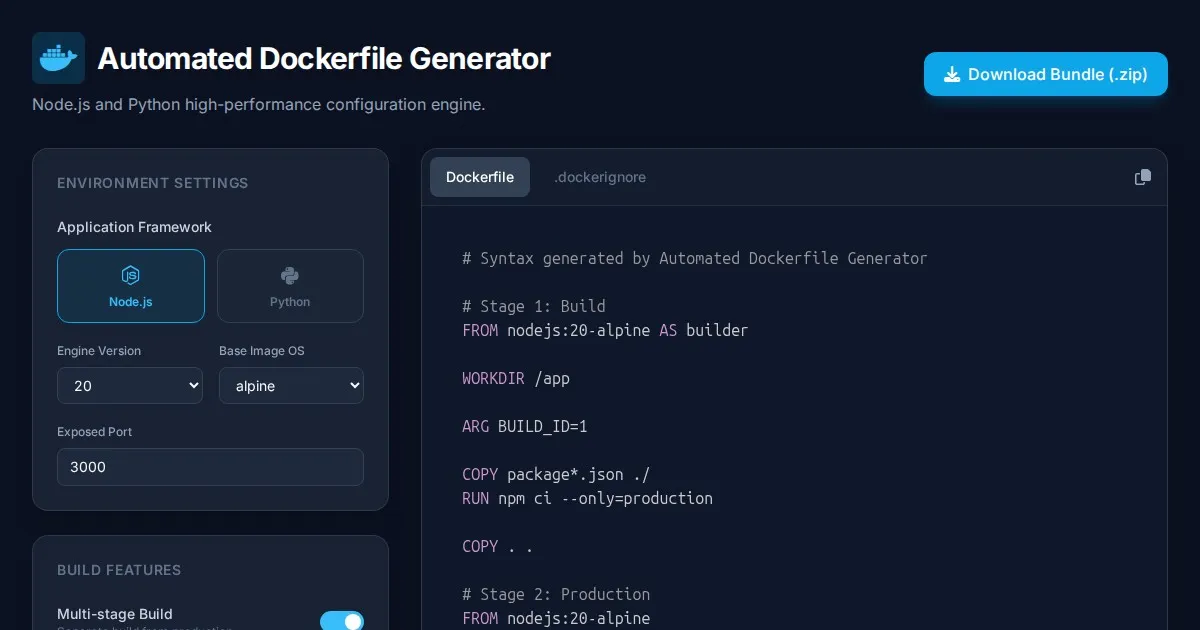
Automated Dockerfile Generator for Node.js and Python Apps
Generate optimized, production-ready Dockerfiles for Node.js and Python applications instantly. Customize base images, port configurations, and dependencies.
Free Base64 Image Data URI to File Size Calculator
Accurately calculate the file size of Base64 encoded image data strings. This free, web-based tool helps developers estimate binary file sizes for web apps.

Free Online Color Blindness Simulator & Image Filter Tool
Easily simulate color vision deficiencies like protanopia, deuteranopia, and tritanopia. Upload images to test design accessibility for color blindness.
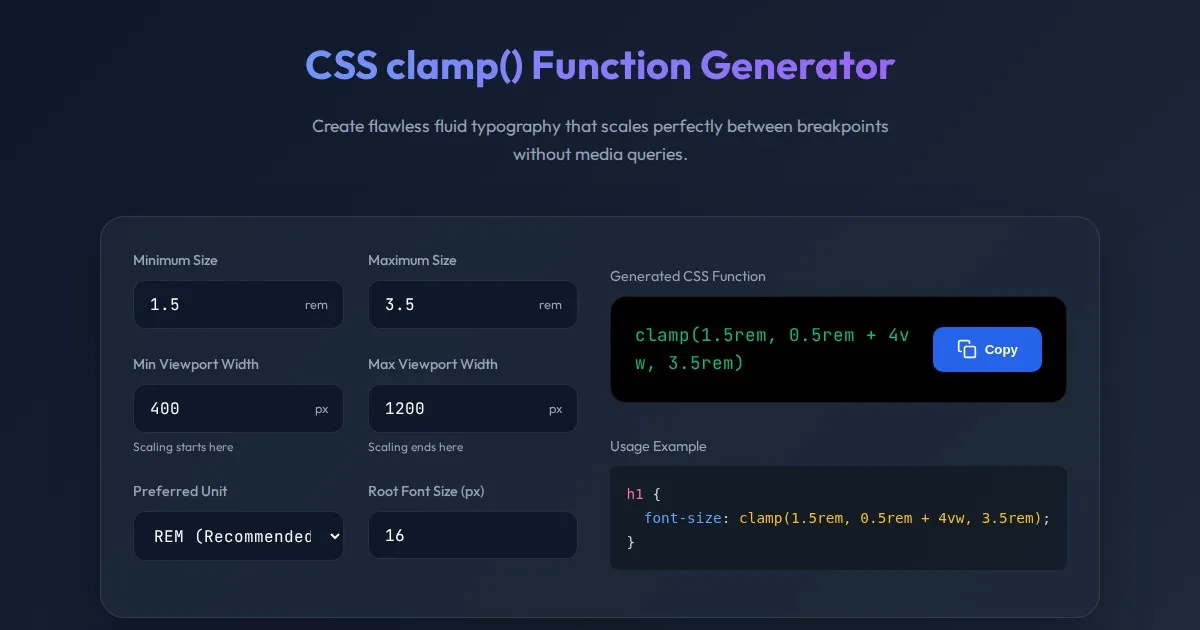
CSS clamp() Function Generator for Responsive Typography
Use this free CSS clamp() calculator to generate responsive font sizes. Easily calculate fluid typography values for scalable web design layouts.
Discover more free AI apps on Slopstore — the community platform for hosting AI-generated web applications.