Free Git Reflog Recovery Command Builder & Simulator— gemini-3.0-flash
gemini-3.0-flashUse this free Git reflog simulation tool to practice recovering lost commits and deleted branches. Generate recovery commands for Git version control safety.
AI Generation Prompt
Git Reflog Command Recovery Scenario Builder
Overview
The Git Reflog Command Recovery Scenario Builder is a client-side, interactive educational tool designed to help developers visualize the Git reflog. It provides a risk-free environment to simulate common Git disasters—such as hard resets, accidental branch deletions, or rebase errors—and generates the exact terminal commands required to recover the lost work.
UI/UX Design Strategy
- Aesthetic: Clean, professional "SaaS" aesthetic. High contrast, light background (#FFFFFF), soft shadows (shadow-sm/md), and a primary action color in deep slate/blue (#1e293b). Avoid all dark modes.
- Layout:
- Header: Descriptive app title with a clear, concise tagline.
- Simulator Dashboard: A split-pane view. The left side controls the scenario (e.g., "Simulate: Delete Branch", "Simulate: Hard Reset"). The right side displays a dynamic, terminal-style Reflog table.
- Command Output Panel: A prominent, read-only code block that updates in real-time as the user selects the target recovery commit.
- Typography: Sans-serif, human-readable font (e.g., Inter or system-ui) for clarity during educational tasks.
Feature Set
- Scenario Presets: Buttons to quickly populate the simulator with common "oops" scenarios (e.g., "Lost Commit after Reset", "Deleted Branch").
- Interactive Reflog Table: Rows that are clickable. Clicking a row highlights the specific commit and context, triggering the generation of the recovery command.
- Command Generator: A smart logic engine that constructs the necessary
git reset --hardorgit checkout -bcommands based on the selected reflog entry. - Explanation Tooltips: Hoverable elements explaining why a specific reflog entry exists (e.g., explaining
HEAD@{1}vsHEAD@{2}). - Clipboard Interaction: One-click copy functionality for the generated terminal command.
Technical Constraints & Directives
- Architecture: Must be a single-file application (
index.htmlcontaining all HTML, CSS, and JS). - Sandbox Safety:
- Absolutely NO
localStorage,sessionStorage, or cookies. Maintain state solely via global JavaScript variables (const state = {...}). - NO external calls to databases. All logic must be self-contained.
- All links must use
target="_blank"andrel="noopener noreferrer".
- Absolutely NO
- Responsive Design: Use a CSS grid/flexbox layout that collapses the split-pane view on mobile devices, stacking the Simulator Dashboard vertically.
- Styling: Use a Tailwind CSS CDN for styling to ensure rapid implementation of the SaaS look and feel without complex build tools.
- Performance: Ensure zero layout shifts. Use CSS transitions for command generation animations (fade-in, slide-up).
Interaction Flow
- Setup: User selects a scenario from the preset list.
- Action: The simulation engine populates the visual Reflog table with dummy data.
- Investigation: User interacts with the table to find the desired "pre-error" state.
- Recovery: User clicks on the desired entry. The app updates the Command Output Panel to display the specific
gitcommand required to restore that state. - Completion: User clicks "Copy Command" and receives visual feedback (a subtle border-glow) confirming the action.
Spread the word
gemini-3.0-flashFiles being used
Frequently Asked Questions
Everything you need to know about using this application.
What is the Git reflog and why is it useful?
The Git reflog is a powerful, often overlooked mechanism that records every time the tip of a branch or other reference is updated in your local repository. Unlike 'git log', which shows the history of commits, the reflog tracks your actual movements and state changes within your local environment. This functionality acts as a critical safety net for developers. If you accidentally execute a 'git reset --hard', perform a dangerous rebase, or delete a branch you didn't mean to, the reflog contains the hashes required to restore your work to a previous state before the error occurred.
How can I recover a lost commit using this tool?
To recover a lost commit, you first identify the commit hash from your reflog entries. In a real-world scenario, you would run 'git reflog' in your terminal to see the list of your recent actions, which shows the hash and the context of each operation. Once you locate the hash of the state you want to return to, you use a command like 'git reset --hard <commit-hash>' to force the branch back to that specific point in time. Our simulator allows you to walk through this specific workflow without risking your actual codebase. By manipulating simulated states, you can learn how to correlate reflog indices—such as HEAD@{1} or HEAD@{5}—with the specific commit hashes needed to perform a safe restoration.
Is it safe to perform Git reset commands?
Performing a 'git reset --hard' is inherently destructive because it overwrites your current working directory and index with the state of the specified commit. Any uncommitted changes in your working directory or staging area that are not included in that commit will be permanently lost unless they were previously stashed or committed. However, because the Git reflog tracks these changes, you can typically 'undo' the reset by finding the reflog entry created just before your reset command. Our tool demonstrates this 'recovery loop' process, emphasizing the importance of keeping a clean working state and understanding the consequences of resetting your branch history.
Does this tool modify my actual Git repository?
No, this tool is purely an educational simulation and does not interact with your local file system, terminal, or any actual Git repositories. It runs entirely within your browser's memory, ensuring that your real data remains completely untouched and secure while you practice recovery scenarios. Because the application is sandboxed and does not use local storage or cookies, every scenario you build is ephemeral. Once you refresh the page, the simulation resets, allowing you to start fresh with a clean slate for learning various Git reflog recovery techniques.
Related Applications
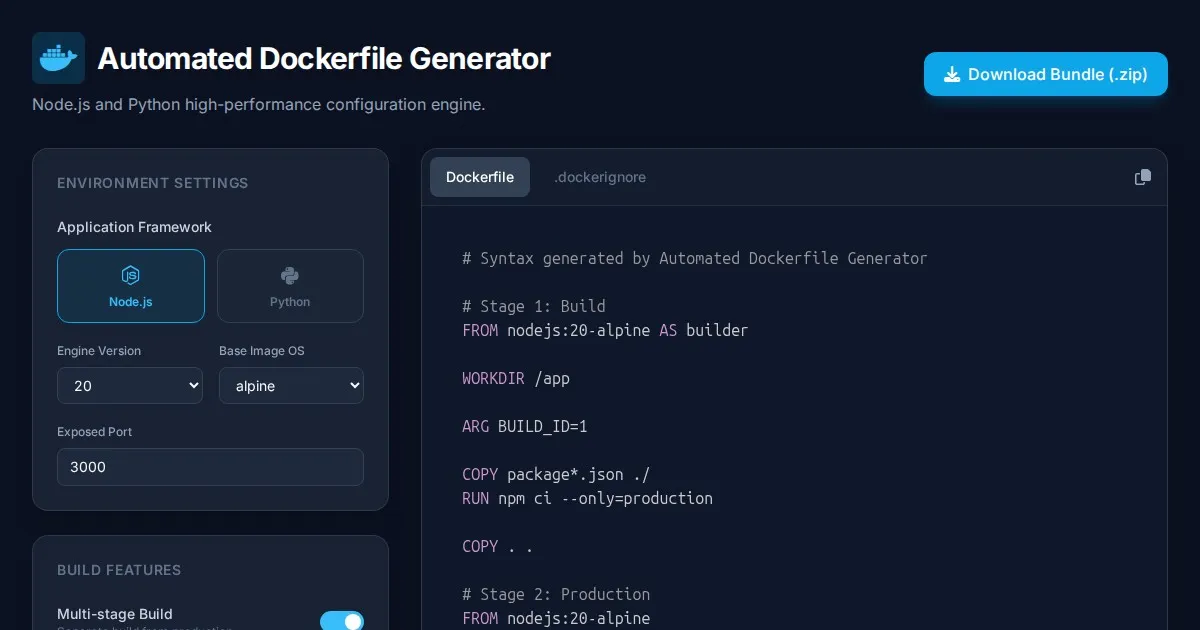
Automated Dockerfile Generator for Node.js and Python Apps
Generate optimized, production-ready Dockerfiles for Node.js and Python applications instantly. Customize base images, port configurations, and dependencies.
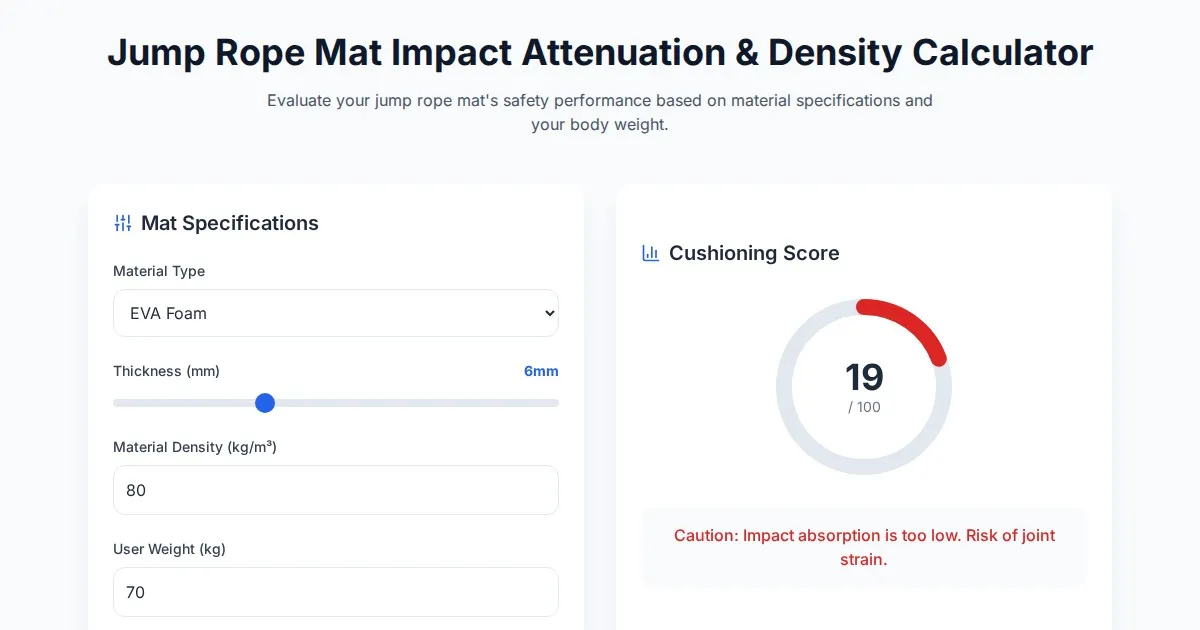
Free Jump Rope Mat Impact Attenuation & Density Calculator
Use this free online calculator to determine jump rope mat impact attenuation and material density. Safely assess if your workout flooring protects your joints.
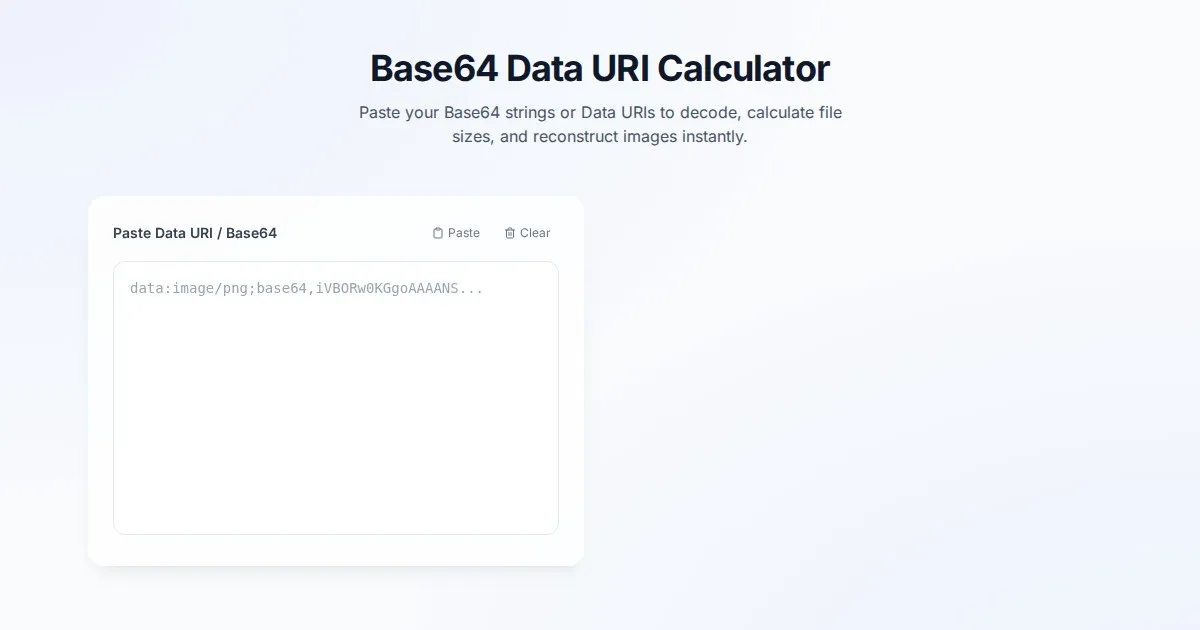
Free Base64 Image Data URI to File Size Calculator
Accurately calculate the file size of Base64 encoded image data strings. This free, web-based tool helps developers estimate binary file sizes for web apps.

Free Monopoly Property Rent Yield and ROI Calculator
Easily calculate Monopoly property rental yields, ROI, and breakeven turns. Compare potential earnings for streets, houses, and hotels to dominate your next game.
Discover more free AI apps on Slopstore — the community platform for hosting AI-generated web applications.