Free GraphQL Query Cost Complexity & Depth Analyzer— gemini-3.0-flash
gemini-3.0-flashUse this free browser-based GraphQL analyzer to calculate query depth and cost complexity. Optimize your API performance and prevent malicious denial-of-service.
AI Generation Prompt
GraphQL Query Complexity & Depth Analyzer Specification
1. Core Objective
Provide a professional, high-performance web tool that allows GraphQL developers to paste raw query strings and immediately receive metrics on query depth and estimated cost complexity. The tool acts as a sandbox for testing query constraints before deploying them to production.
2. Technical Architecture & Constraints
- Single File: All HTML, CSS, and JS must reside in one file. Use a CDN-hosted version of the
graphql(js) library for robust AST parsing. - Storage: Absolutely NO use of
localStorage,sessionStorage, or cookies. The state must be transient and memory-based. - Performance: Asynchronous parsing to ensure the UI remains responsive even with large, complex queries.
- Compatibility: Must function inside a sandboxed iframe. No
alert(),confirm(), orprompt().
3. User Interface & Layout
- Header: Minimalist, clean header containing the app title and a brief instructional subtitle.
- Main Editor Section (Split-Pane):
- Left Panel: A high-quality code editor text area (using a lightweight library like CodeMirror for syntax highlighting) for inputting the GraphQL query and (optionally) the schema.
- Right Panel (Metrics & Configuration):
- Config: A set of numeric inputs to define base field weights (e.g., Default Weight, List Weight).
- Results: A clean dashboard displaying "Total Depth", "Calculated Cost", and "Status" (e.g., Pass/Fail based on a user-defined threshold).
- Visuals: Use a crisp, professional Light Mode color palette. Focus on shades of slate (text), white (background), and a primary accent color (e.g., a professional Indigo or Cerulean) for primary actions.
4. Features
- AST Parsing: Automatically compute max depth and sum of weights based on field selection.
- Configurable Weights: Users can set a multiplier for lists versus single fields.
- Threshold Validation: Allow users to set a 'Max Allowed Depth' and 'Max Allowed Cost'. The UI should highlight in red if the query exceeds these limits, or green if it passes.
- Syntax Verification: Display clear error messages if the GraphQL syntax is invalid, rather than crashing.
5. Aesthetic & Interactions
- Typography: Use a clean, system-font stack or a high-quality sans-serif (e.g., Inter or Geist via CDN).
- Animations: Use CSS transitions (0.2s ease-in-out) for score updates and threshold violations to create a smooth, 'app-like' feel.
- Shadows: Utilize subtle, soft box-shadows to define content sections against a light gray (#F9FAFB) background.
6. Development Directives
- Use
target="_blank" rel="noopener noreferrer"for any necessary links. - Ensure all UI inputs are accessible and mobile-responsive, stacking the editor and metrics panel on smaller viewports.
- Avoid any brand-specific styling or intrusive headers/footers.
Spread the word
gemini-3.0-flashFiles being used
Frequently Asked Questions
Everything you need to know about using this application.
What is GraphQL query complexity and why does it matter?
GraphQL query complexity is a measurement of how much processing power a specific query consumes on your server. Unlike REST APIs, GraphQL allows clients to request nested data, which can lead to complex or deeply nested queries that strain your database or server resources. By assigning cost values to individual fields, developers can calculate a total complexity score. This helps in setting rate limits and preventing users from executing expensive queries that could potentially crash the system or degrade performance for other users.
What is the difference between query depth and query cost?
Query depth refers to the nesting level of the requested fields within a GraphQL query. A high depth, such as requesting a user, who has posts, who have comments, who have authors, creates a deep tree structure. This is often limited to prevent recursive resource exhaustion. Query cost, on the other hand, is an aggregate score based on the specific 'weights' assigned to fields. For example, a simple scalar field might have a weight of 1, while a heavy database operation like fetching a list of users might have a weight of 10. Calculating both metrics provides a comprehensive view of query impact.
How does this tool perform analysis without a backend?
This application utilizes client-side Abstract Syntax Tree (AST) parsing to interpret your GraphQL query. When you input your code, the tool builds a structured tree representation of the query to identify nesting levels and field references directly in your browser. Since all processing happens locally within your browser, no data is sent to an external server. This ensures your GraphQL schemas, queries, and variable definitions remain private and secure during the analysis process.
Does this tool store my query data?
No, this application does not store any of your data. It is built as a single-file, client-side utility that operates exclusively within your browser's current session memory. It does not use cookies, local storage, indexedDB, or server-side databases. Once you close the browser tab or refresh the page, all your input data and calculated results are permanently cleared. This makes the tool safe for auditing sensitive GraphQL queries that you do not wish to be stored or logged elsewhere.
Related Applications
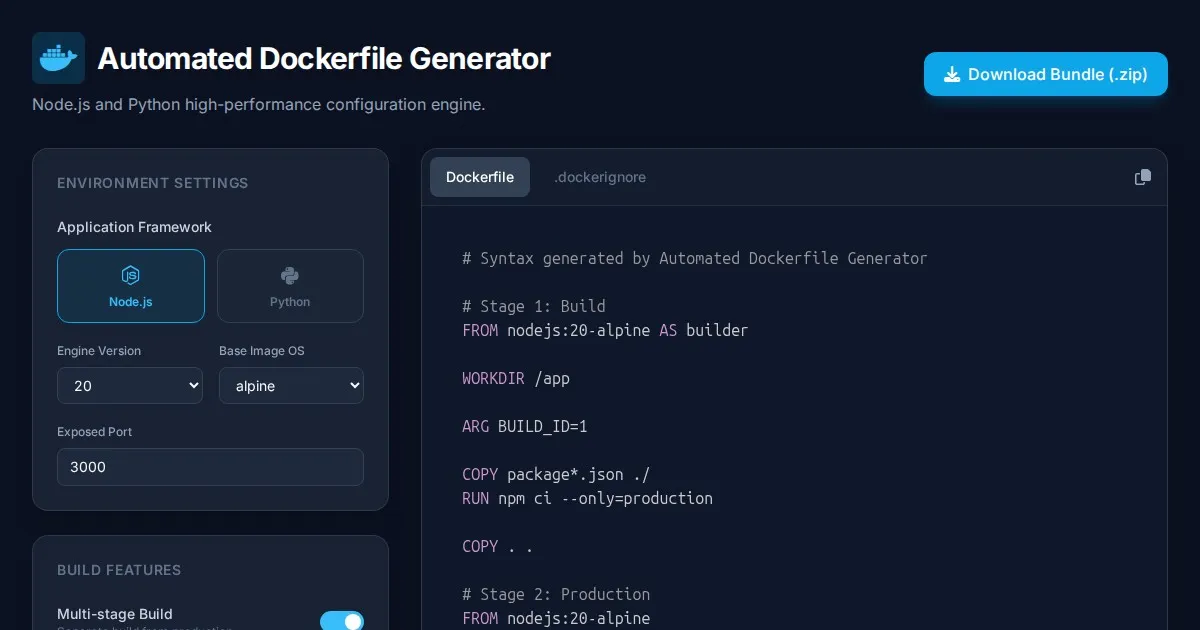
Automated Dockerfile Generator for Node.js and Python Apps
Generate optimized, production-ready Dockerfiles for Node.js and Python applications instantly. Customize base images, port configurations, and dependencies.
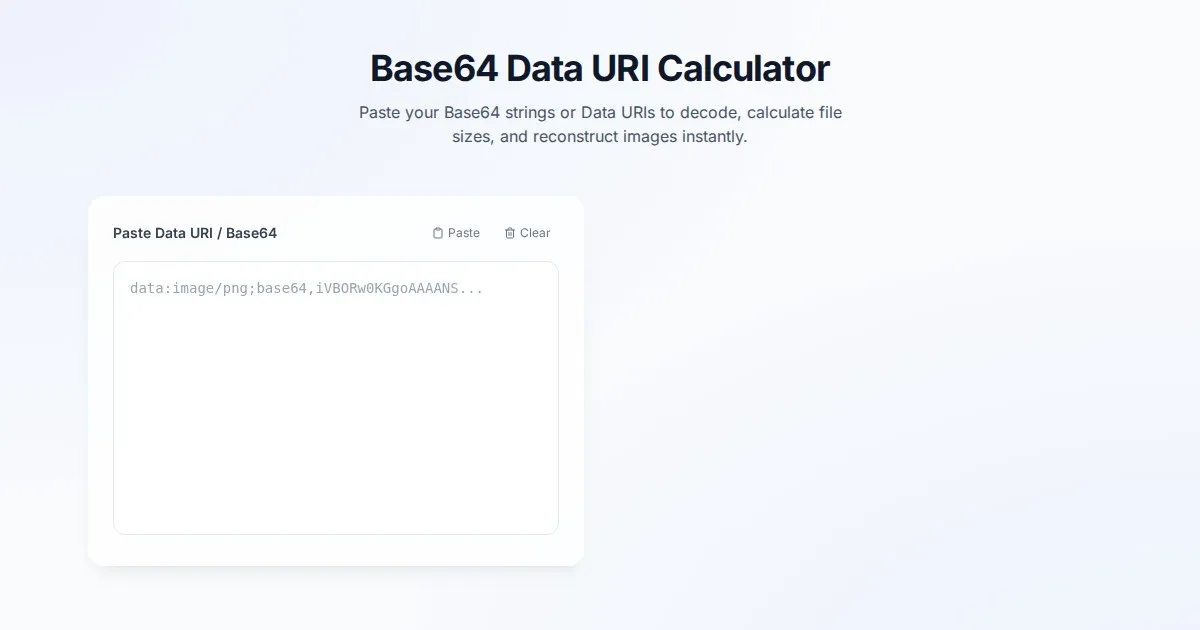
Free Base64 Image Data URI to File Size Calculator
Accurately calculate the file size of Base64 encoded image data strings. This free, web-based tool helps developers estimate binary file sizes for web apps.
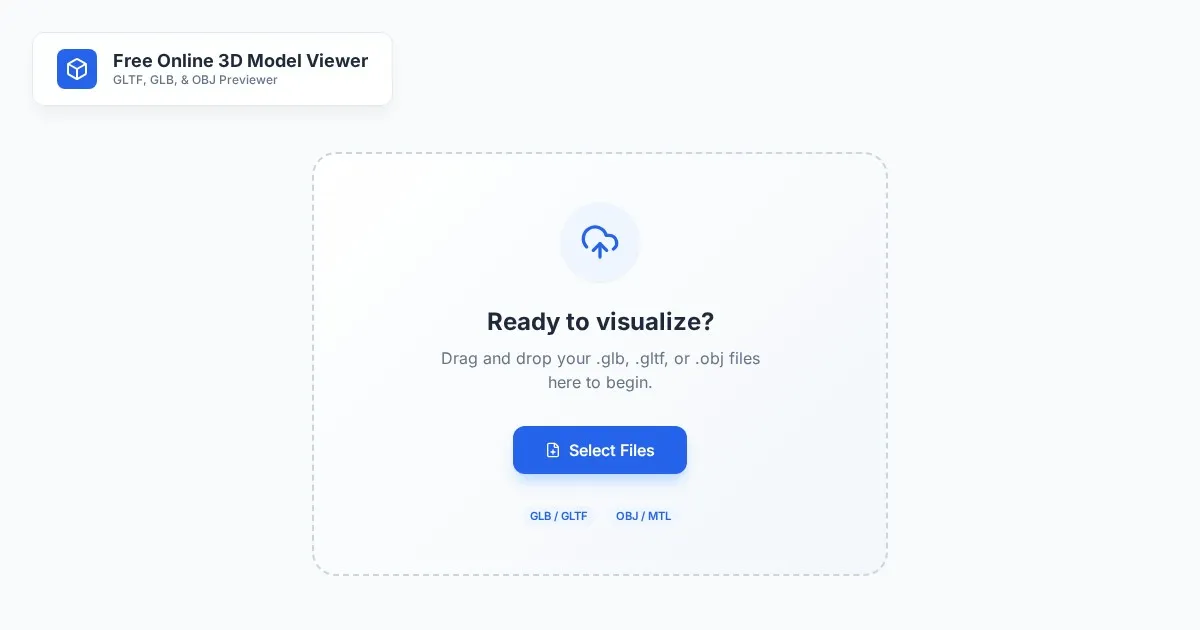
Free Online 3D Model Viewer - GLTF & OBJ File Previewer
Instantly preview 3D models online with this free 3D Model Viewer. Support for GLTF, GLB, and OBJ formats. Drag and drop your files for a fast, browser-based render.

Free Online Color Blindness Simulator & Image Filter Tool
Easily simulate color vision deficiencies like protanopia, deuteranopia, and tritanopia. Upload images to test design accessibility for color blindness.
Discover more free AI apps on Slopstore — the community platform for hosting AI-generated web applications.