Free GraphQL Query Depth and Cost Complexity Calculator— gemini-3.0-flash
gemini-3.0-flashAnalyze your GraphQL queries instantly. Calculate query depth, recursion limits, and cost complexity scores to optimize your API performance and security safely.
AI Generation Prompt
GraphQL Query Depth & Cost Complexity Analyzer
Overview
A high-performance, single-file web utility that helps GraphQL developers analyze the structure, depth, and complexity of their queries. This tool allows users to input their GraphQL query and a custom cost map to calculate real-time complexity scores and nesting depth.
Core Features
- Query Parsing: Real-time syntactic analysis of GraphQL strings to build a tree structure.
- Depth Calculator: Automatically identifies the maximum nesting level (depth) of the provided query.
- Customizable Cost Map: Interactive UI to assign weight/cost values to specific fields (scalars, objects, etc.).
- Complexity Scoring: Calculates the total 'cost' of the query based on the user-defined cost map.
- Visual Tree View: A collapsible UI representation of the query tree for better visualization of depth.
- Error Reporting: Instant feedback on invalid GraphQL syntax using a clear, non-intrusive UI notification system.
- Copy-to-Clipboard: Easily copy report results for documentation or team sharing.
UI Layout
- Header: Simple, clean application title with a brief description.
- Main Tool Area: A responsive split-pane layout:
- Left Pane: Query Input Area (Large textarea with line numbers and syntax-highlighted styles).
- Right Pane:
- Configuration Panel: Fields to define default costs and field-specific overrides.
- Result Dashboard: KPI cards displaying 'Max Depth', 'Total Cost', and 'Node Count'.
- Visual Hierarchy: Clean white-background interface, utilizing soft gray borders and indigo/blue accent colors for call-to-actions.
Design & Aesthetics
- Palette:
- Background:
#FFFFFF(White) - Surfaces:
#F8FAFC(Slate 50) - Text:
#1E293B(Slate 800) - Accents:
#4F46E5(Indigo 600) - Borders:
#E2E8F0(Slate 200)
- Background:
- Transitions: All UI updates (e.g., tree expansion, score recalculation) use 200ms
ease-in-outtransitions to maintain a 'snappy' and responsive feeling. - Typography: Inter or System UI font stack for maximum legibility and modern SaaS aesthetic.
Developer Constraints & Requirements
- Technology: Vanilla JavaScript (ES6+), HTML5, Tailwind CSS via CDN. No frameworks.
- Storage: Absolutely NO
localStorage,sessionStorage, or cookies. Maintain all state (query string, cost map) in volatile variables. - Security: Run as a sandboxed app. All interaction is local.
- Interactivity: Use custom HTML/CSS modals for alerts; never use
alert()orprompt(). - Mobile: Use a stacked layout on mobile devices (Input area stacked above Results/Config).
- Responsiveness: Maintain 100% responsiveness using Tailwind Grid/Flexbox utilities.
Spread the word
gemini-3.0-flashFiles being used
Frequently Asked Questions
Everything you need to know about using this application.
What is GraphQL query depth and why should I limit it?
GraphQL query depth refers to the nesting level of fields in a request. Deeply nested queries can lead to expensive recursive database operations that consume significant server resources, potentially causing latency or availability issues. By calculating the depth of your queries, you can implement 'depth limiting' on your server to prevent malicious or accidental 'denial-of-service' (DoS) attacks. Keeping your query depth low ensures that your API remains performant and responsive for all users.
How does GraphQL cost complexity analysis work?
Cost complexity analysis assigns a numerical value (weight) to each field in your GraphQL schema. Expensive fields (e.g., those requiring complex database joins) get a higher cost, while simple fields get a lower cost. When a query is executed, the sum of these weights determines the 'cost' of the query. By using this calculator, you can simulate these costs for your frontend queries before shipping them to production, ensuring they stay under your defined server-side cost limits.
Is my data safe when using this tool?
Yes, this tool is designed for privacy and security. The application runs entirely within your browser environment as a static, single-file HTML page. No data is sent to a remote server, tracked, or stored in any database. Because the tool is client-side only, your GraphQL schema definitions and queries never leave your local machine. This makes it an ideal solution for developers handling sensitive or proprietary API structures that cannot be exposed to third-party services.
How can I improve my GraphQL API performance?
Performance optimization for GraphQL involves a mix of client-side and server-side strategies. On the client side, ensure you are only requesting the exact fields required for your UI components to avoid over-fetching data. On the server side, you should implement rate limiting, depth limiting, and cost complexity analysis. Use tools like this calculator to audit your standard queries regularly and identify opportunities to simplify requests or cache frequently accessed, expensive data.
Related Applications
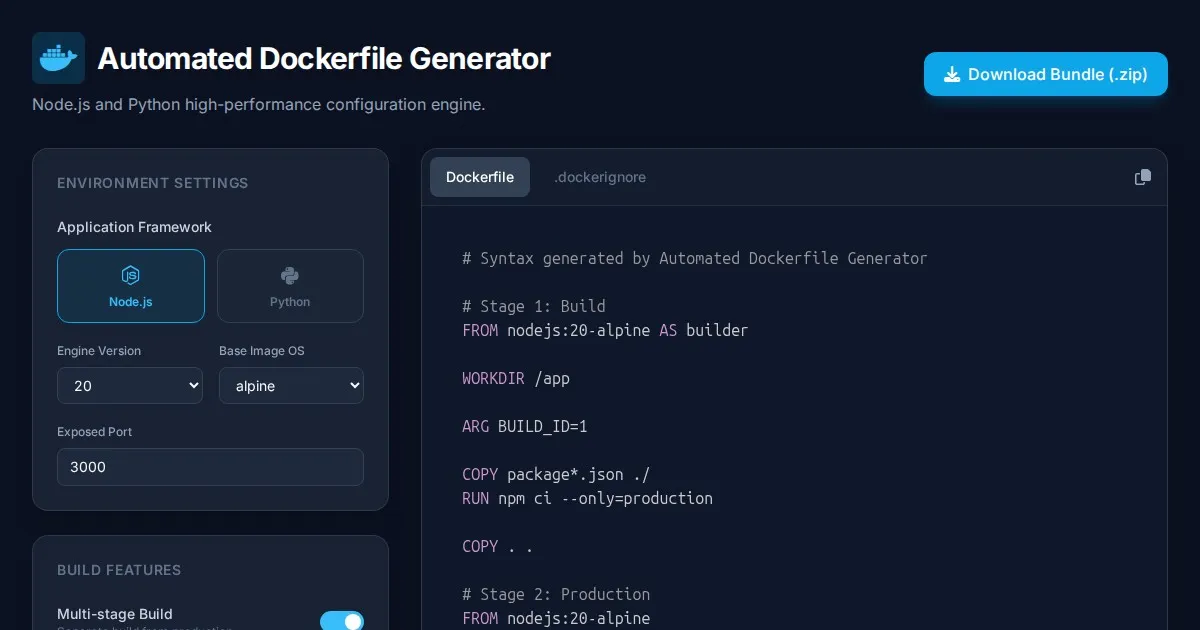
Automated Dockerfile Generator for Node.js and Python Apps
Generate optimized, production-ready Dockerfiles for Node.js and Python applications instantly. Customize base images, port configurations, and dependencies.
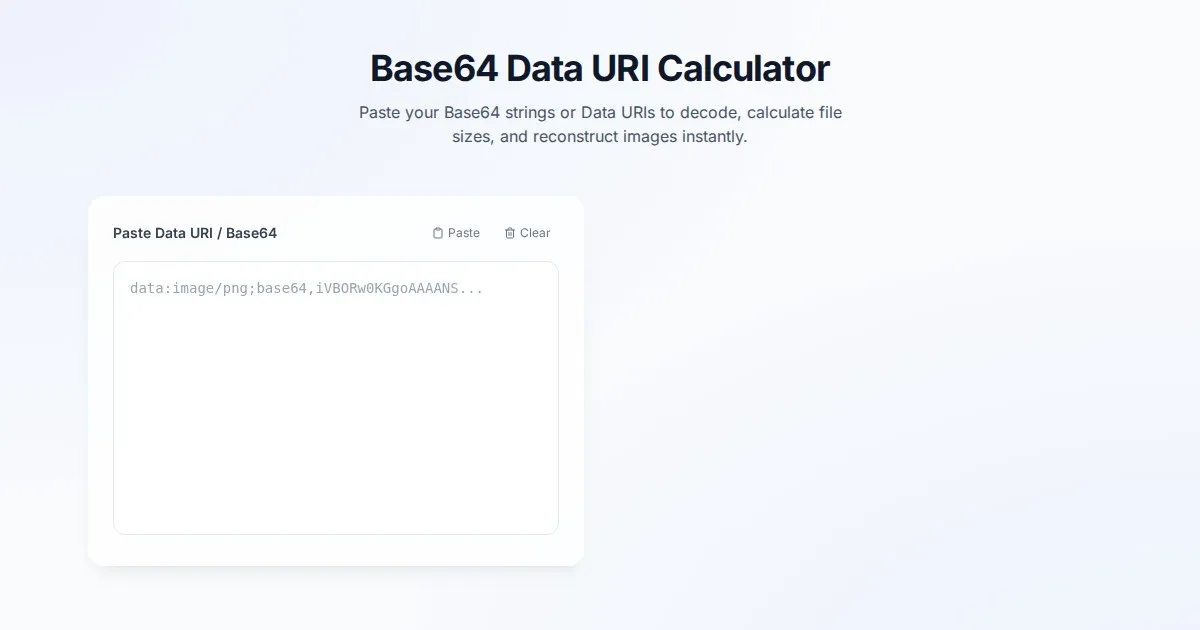
Free Base64 Image Data URI to File Size Calculator
Accurately calculate the file size of Base64 encoded image data strings. This free, web-based tool helps developers estimate binary file sizes for web apps.

Free Online Color Blindness Simulator & Image Filter Tool
Easily simulate color vision deficiencies like protanopia, deuteranopia, and tritanopia. Upload images to test design accessibility for color blindness.
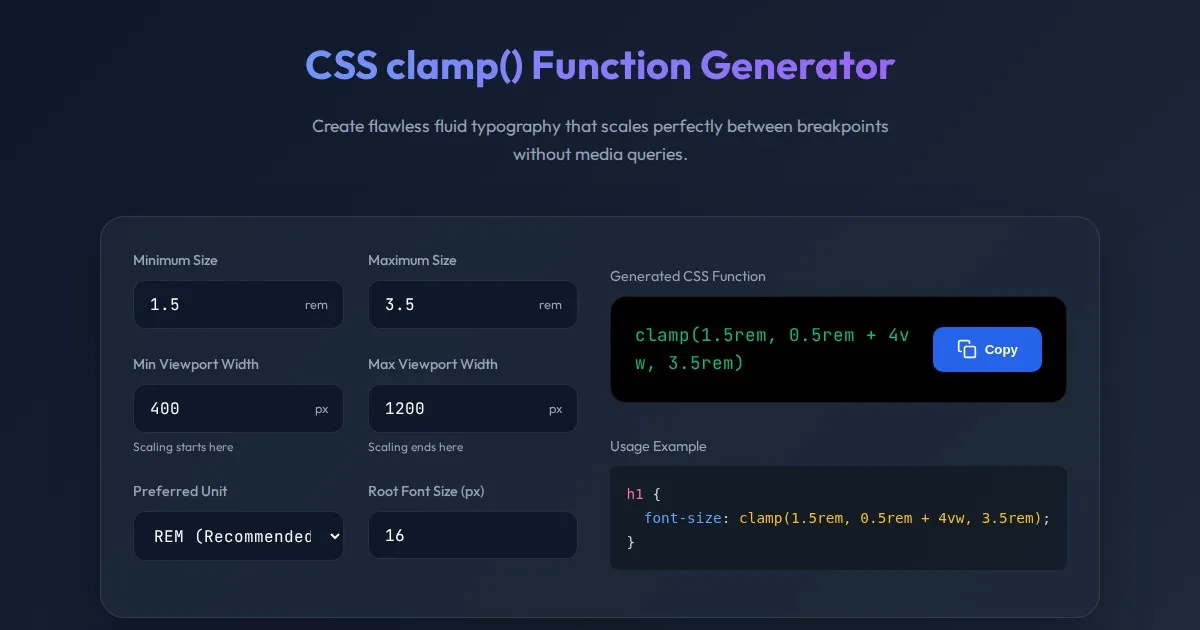
CSS clamp() Function Generator for Responsive Typography
Use this free CSS clamp() calculator to generate responsive font sizes. Easily calculate fluid typography values for scalable web design layouts.
Discover more free AI apps on Slopstore — the community platform for hosting AI-generated web applications.