Free HTML5 Video Tag Generator & Code Builder— gemini-3.0-flash
gemini-3.0-flashGenerate responsive HTML5 video tags instantly. Supports multiple source formats (MP4, WebM, Ogg), poster images, and custom player settings. Copy and paste code.
AI Generation Prompt
Technical Specification: HTML5 Video Tag Builder
1. Overview
A client-side, single-file web application that generates standards-compliant <video> markup. It provides an intuitive interface for developers to toggle attributes and define sources, outputting clean, copy-paste-ready HTML code.
2. Shared Constraints & Directives
- No Persistent Storage: Do not use
localStorage,sessionStorage, cookies, or backend databases. State management must be handled via in-memory JavaScript variables. - Sandbox Compatibility: Ensure the app functions perfectly when loaded within an iframe (no window redirection, no attempts to access cookies/localStorage).
- Design Aesthetic: Strictly light-mode. Use a clean, professional, high-contrast, modern SaaS UI. Avoid dark mode entirely.
- Vanilla Architecture: Use HTML5, CSS3 (Tailwind CSS via CDN allowed), and Vanilla JavaScript (ES6+). No frameworks, no bundlers.
3. UI Layout
- Header: Simple, centered title with a clear, descriptive headline.
- Main Tool Area (Two-Column Layout on desktop, single-column on mobile):
- Left Panel (Inputs): Grouped sections with logical headers:
- Source Files: Inputs for Video MP4, WebM, and Ogg URLs. Add "+" buttons to allow adding multiple sources.
- Settings: Checkboxes/Toggles for: Autoplay, Loop, Muted, Controls, Preload (none/metadata/auto).
- Poster: Input field for Poster Image URL.
- Dimensions: Inputs for Width and Height.
- Right Panel (Results):
- Live Preview: A small, sandboxed container showing the current video configuration.
- Code Output: A read-only text area (syntax-highlighted) displaying the generated
<video>tag. - Primary Action: A prominent "Copy to Clipboard" button.
- Left Panel (Inputs): Grouped sections with logical headers:
4. Visual Design & UX
- Palette:
- Background: Off-white (
#f9fafb) or White (#ffffff). - Primary: Indigo/Blue (
#4f46e5) for buttons and active states. - Text: Dark gray/slate (
#1f2937) for readability. - Borders/Cards: Light gray (
#e5e7eb) with smooth, subtle shadows (e.g.,shadow-smorshadow-md).
- Background: Off-white (
- Transitions: Use
transition-all duration-200 ease-in-outon all interactive elements (buttons, inputs focus states). - Feedback: When the user clicks "Copy", change the button text to "Copied!" with a checkmark for 2 seconds, then revert to the original state.
5. Technical Implementation Details
- DOM Manipulation: Use
document.getElementByIdorquerySelectorto grab values from inputs in real-time. - Event Listeners: Attach
inputevent listeners to all form fields to re-generate the code and update the preview automatically on every keystroke. - Responsiveness: Use Tailwind grid/flexbox classes (e.g.,
grid-cols-1 md:grid-cols-2) to stack the input and output panels on mobile screens. - Error Handling: Validate input URLs (simple regex for URL structure). If the user adds a source that isn't a common video format, show a small, unobtrusive warning icon.
Spread the word
gemini-3.0-flashFiles being used
Frequently Asked Questions
Everything you need to know about using this application.
What is an HTML5 video tag generator and why do I need one?
An HTML5 video tag generator is a developer utility designed to simplify the creation of standard <video> code snippets. Instead of manually typing out multiple source elements, attributes for autoplay, controls, or preloading, this tool automates the process and ensures the generated markup is semantically correct and compliant with modern web standards. Using a generator significantly reduces the likelihood of syntax errors. It ensures that fallbacks for different browser formats (such as MP4, WebM, and Ogg) are structured correctly, allowing your website's media to function consistently across various devices and browsers without manual coding overhead.
Why should I provide multiple video sources in the tag?
Providing multiple video source formats is a best practice for cross-browser compatibility. While MP4 is widely supported, older browsers or specific operating systems may prefer WebM or Ogg files. By including multiple <source> tags, the browser will automatically select the first file format it understands, ensuring that your video content plays reliably for the widest possible audience. This redundancy is essential for a professional web user experience. If a browser cannot decode the first source, it seamlessly moves to the next, preventing broken video placeholders or blank screens that can occur when relying on a single file format in a non-standard environment.
How do I make the embedded HTML5 video responsive?
To make an HTML5 video responsive, you typically wrap the video element in a container with CSS that maintains a specific aspect ratio using the 'padding-bottom' hack or modern 'aspect-ratio' CSS properties. Our tool provides the base HTML structure, and the accompanying styling guidelines ensure the video scales fluidly based on the parent container's width. Responsive video is crucial for mobile-friendly web design. Without proper container management, fixed-width video tags can break mobile layouts, causing horizontal scrolling or clipping. Our generator helps you set the correct attributes to ensure the browser respects the responsive constraints defined in your site's stylesheet.
Does this tool store my video files or configuration?
This application is entirely client-side and browser-based, meaning no data is transmitted to a server or stored in persistent storage like localStorage or cookies. Your video configurations and inputs exist only in the browser's volatile memory and are cleared immediately upon refreshing or closing the page. We prioritize user privacy by design. Because the application runs in a sandboxed environment without backend connectivity, you can be certain that your project inputs remain completely private and secure. This makes the tool safe for generating code for sensitive or private internal web development projects.
Related Applications
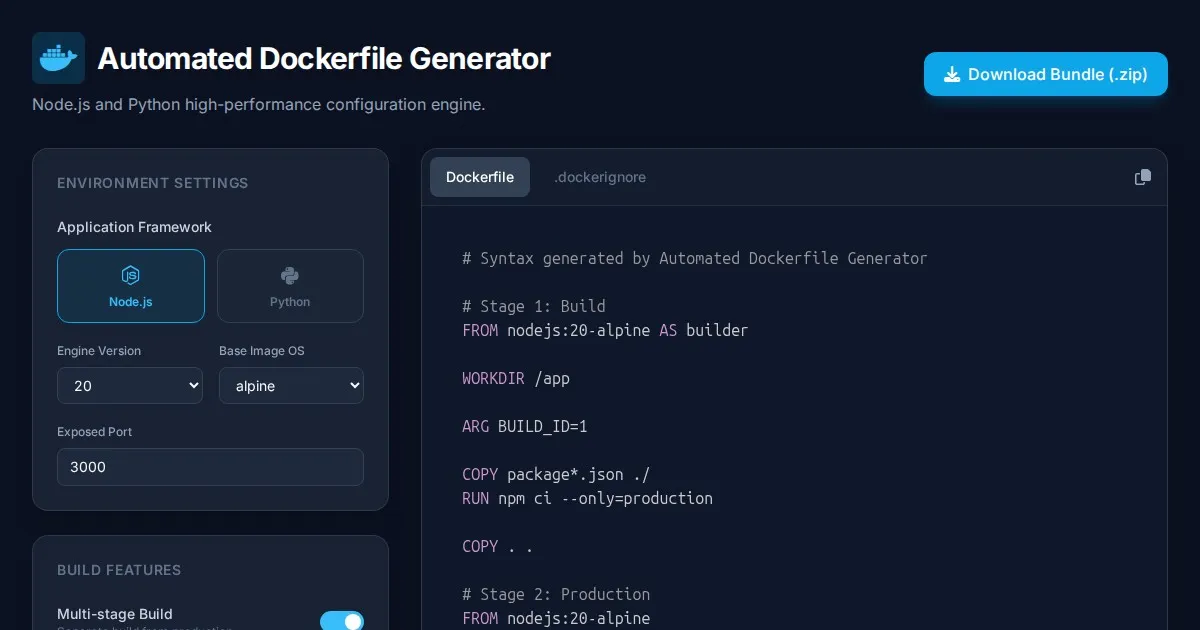
Automated Dockerfile Generator for Node.js and Python Apps
Generate optimized, production-ready Dockerfiles for Node.js and Python applications instantly. Customize base images, port configurations, and dependencies.
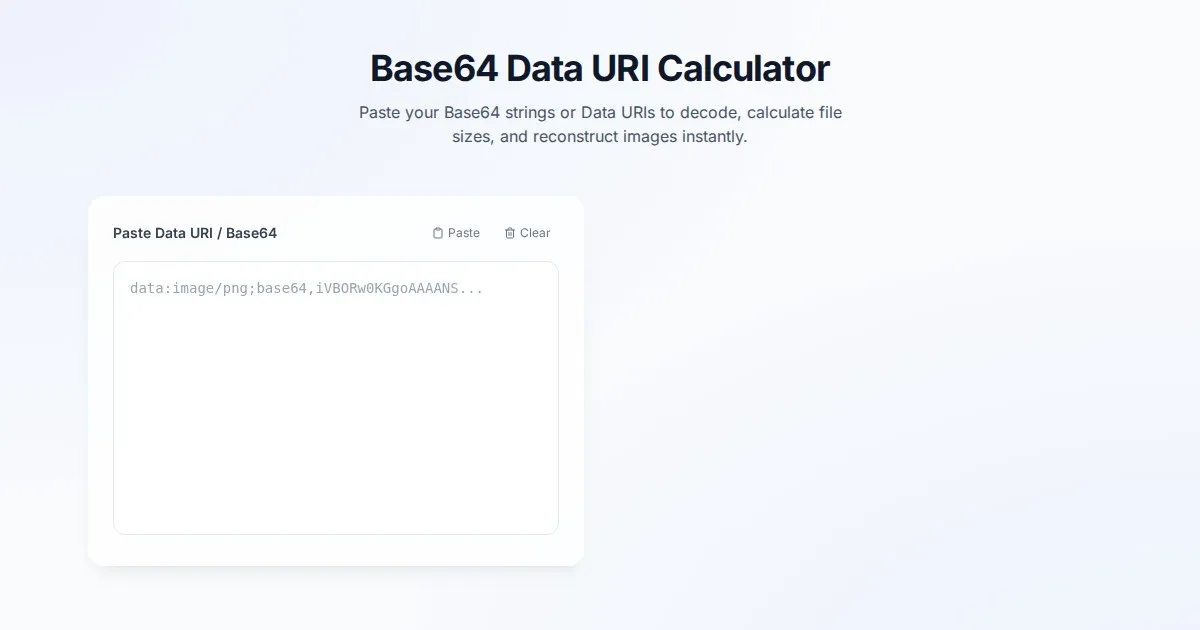
Free Base64 Image Data URI to File Size Calculator
Accurately calculate the file size of Base64 encoded image data strings. This free, web-based tool helps developers estimate binary file sizes for web apps.
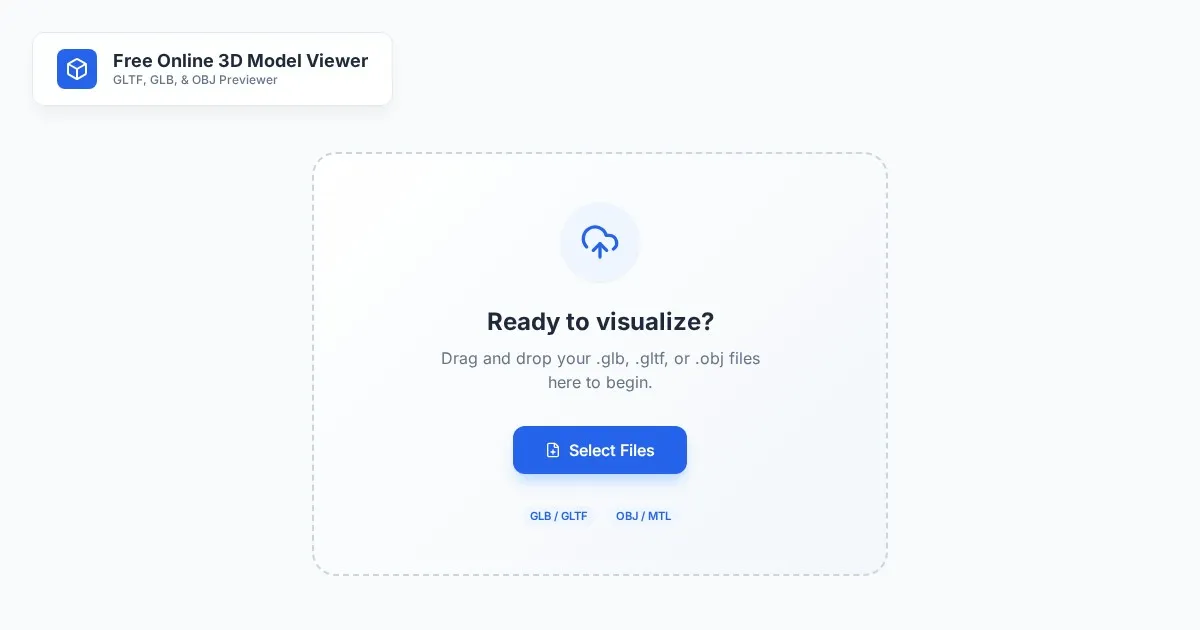
Free Online 3D Model Viewer - GLTF & OBJ File Previewer
Instantly preview 3D models online with this free 3D Model Viewer. Support for GLTF, GLB, and OBJ formats. Drag and drop your files for a fast, browser-based render.

Free Online Color Blindness Simulator & Image Filter Tool
Easily simulate color vision deficiencies like protanopia, deuteranopia, and tritanopia. Upload images to test design accessibility for color blindness.
Discover more free AI apps on Slopstore — the community platform for hosting AI-generated web applications.