Free Indoor Plant Daily Light Integral (DLI) Calculator— gemini-3.0-flash
gemini-3.0-flashCalculate the Daily Light Integral (DLI) and Photosynthetically Active Radiation (PAR) for your indoor plants. Optimize grow light hours and intensity today.
AI Generation Prompt
Technical Specification: Indoor Plant Daily Light Integral (DLI) Calculator
Overview
A clean, single-page, browser-based utility that calculates the Daily Light Integral (DLI) based on user-provided PPFD (intensity) and light duration. This tool helps indoor gardeners, hydroponic growers, and botanists optimize their lighting systems.
Core Features
- Live Calculation Engine: Real-time updates as inputs change.
- Dynamic Result States: The UI changes background color or adds alert badges based on whether the resulting DLI is Low, Moderate, or High.
- Input Validation: Ensure only positive numbers are entered for PPFD and hours.
- Educational Tooltips: Hover states explaining what PPFD, DLI, and Photoperiod are.
- Responsive Interface: Designed to look great on mobile phones, tablets, and desktops.
User Interface (UI) Layout
- Header: A clean, centered title "Grow Light DLI Calculator" with a brief, high-level description.
- Main Tool Area:
- Input Section: Two large, clean numerical input fields for "PPFD (μmol/m²/s)" and "Light Duration (Hours/Day)".
- Visual Slider: An optional range slider for both inputs for quick adjustments on touch screens.
- Results Section:
- Display Card: A prominent, large-font card showing the calculated DLI value (e.g., "12.4 mol/m²/d").
- Classification Label: A status tag (e.g., "Low Light", "Ideal for Greens", "High Light") that appears dynamically.
- Instructional Section: A concise section below the result explaining how to interpret the number.
Color Palette (Light Mode Only)
- Primary: Emerald Green (
#10b981) - Used for buttons and active states. - Background: Crisp White (
#ffffff) - Main container background. - Surface: Slate-50 (
#f8fafc) - Input container backgrounds. - Text: Slate-900 (
#0f172a) - Primary text. - Accent/Alerts: Amber-500 (
#f59e0b) - For warnings or high-intensity indicators.
Technical Constraints & Directives
- ARCHITECTURE: Must be a single
.htmlfile. CSS and JS must be embedded. - NO STORAGE: The application must strictly use in-memory state management. Do NOT use
localStorage,sessionStorage, orcookies. If the page refreshes, inputs are cleared. - SANDBOXED: No
alert()orprompt(). Use hidden<div>elements or CSS-based modals for notifications. - RESPONSIVE: Use Tailwind CSS grid/flexbox for a mobile-first responsive layout.
- LIBRARIES: Allowed to use Tailwind CSS via CDN and Lucide Icons (CDN) for visual polish.
Animations & Transitions
- Fade-in: Use CSS
transition: opacity 0.3s ease-in-outfor the results container to fade in when the result is calculated. - Micro-interactions: Add a subtle
transform: scale(1.02)on input fields when they gain focus. - Smoothing: All numerical changes should feel responsive to user interaction without jitter.
Implementation Steps for Developer
- Set up the basic HTML5 boilerplate with the Tailwind CSS CDN.
- Implement a responsive container using standard Tailwind layout classes (
max-w-xl mx-auto p-6). - Write a JavaScript function that listens for
inputevents on both number fields, performs the DLI calculation ((PPFD * Hours * 3600) / 1,000,000), and updates the UI. - Apply visual classes (colors/borders) dynamically based on the calculated result.
- Ensure all interactive elements are touch-friendly and accessible.
Spread the word
gemini-3.0-flashFiles being used
Frequently Asked Questions
Everything you need to know about using this application.
What is the Daily Light Integral (DLI) and why does it matter for plants?
Daily Light Integral (DLI) is a measurement of the total amount of Photosynthetically Active Radiation (PAR) received by a plant over a 24-hour period. It represents the 'sum' of light that contributes to photosynthesis, balancing both the intensity of the light and the duration of exposure. Understanding DLI is crucial because plants have specific 'light budgets.' Providing too little light results in stunted growth and leggy stems, while providing too much light can lead to leaf burn and photobleaching. Optimizing DLI ensures your indoor garden receives exactly what it needs to thrive.
How does PPFD intensity relate to the DLI calculation?
PPFD (Photosynthetic Photon Flux Density) measures the instantaneous intensity of light hitting a specific area, measured in micromoles per square meter per second (μmol/m²/s). DLI is essentially the conversion of this instantaneous measurement into a total daily sum. To calculate DLI, you multiply the PPFD value by the number of hours the light is on, then apply a conversion factor for the seconds in an hour. This calculator simplifies that math, allowing you to quickly see how adjusting your timer or dimming your lights affects the total amount of energy your plants receive each day.
Are there different DLI requirements for different plant species?
Yes, different plant species have evolved under vastly different environmental conditions. For example, shade-loving tropical ferns typically require a much lower DLI to avoid stress compared to sun-loving vegetables like peppers or tomatoes, which require high-intensity light for several hours daily. Most plants fall into broad categories: low light (DLI 5-10), medium light (DLI 10-20), and high light (DLI 20+). When using this calculator, you should verify the specific requirements of your plant species to ensure you are setting your grow light timers and intensity levels appropriately.
Can I use this calculator to adjust my grow light schedule?
Absolutely. This tool is designed to help you experiment with different variables to reach your target DLI. If you find your current PPFD is too high for a specific plant, you can use the calculator to see what happens to your DLI if you reduce the number of 'on' hours for your lights. This is a highly efficient way to manage electricity usage while maintaining plant health. By finding the perfect intersection between light intensity and daily duration, you can create a tailored lighting schedule that maximizes growth without wasting energy or damaging your plants.
Related Applications
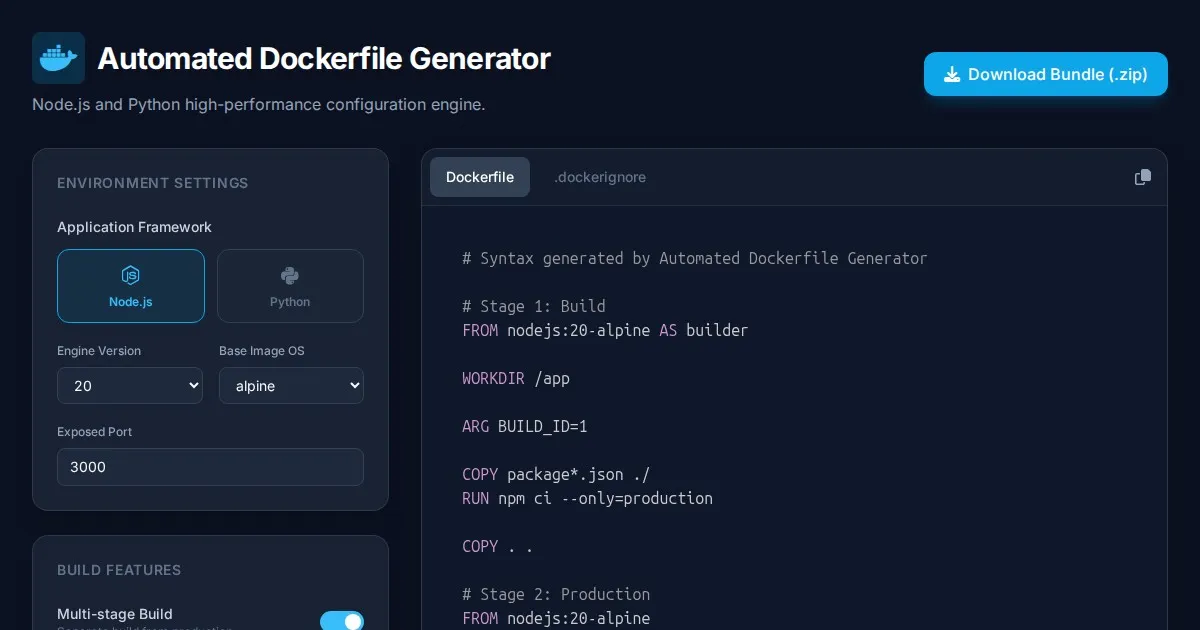
Automated Dockerfile Generator for Node.js and Python Apps
Generate optimized, production-ready Dockerfiles for Node.js and Python applications instantly. Customize base images, port configurations, and dependencies.
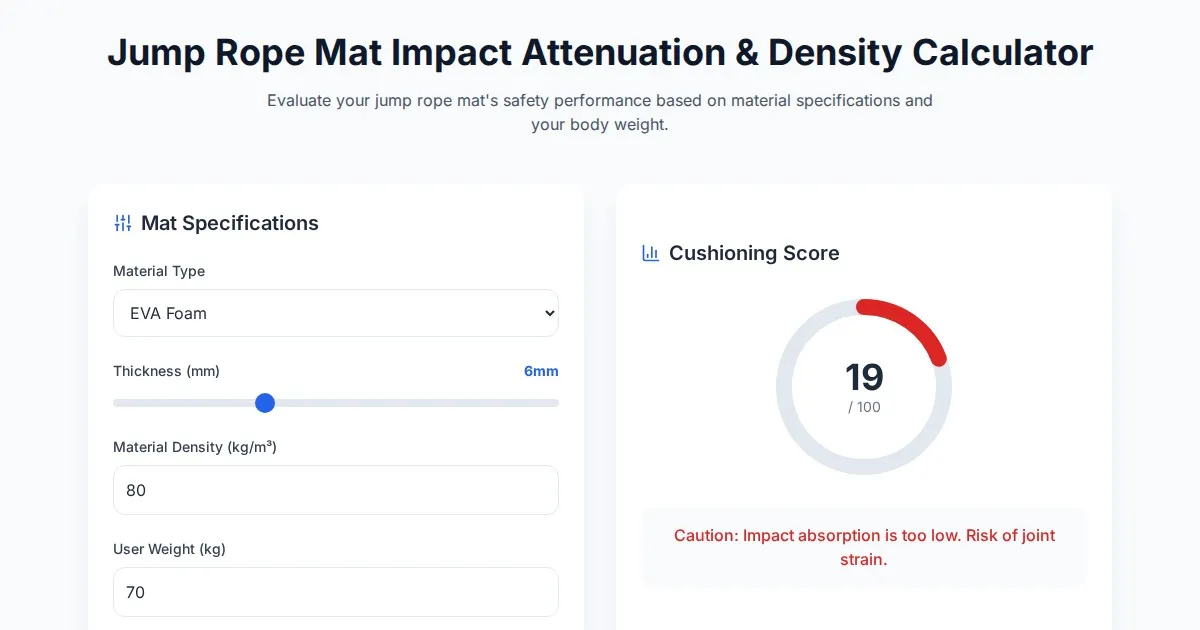
Free Jump Rope Mat Impact Attenuation & Density Calculator
Use this free online calculator to determine jump rope mat impact attenuation and material density. Safely assess if your workout flooring protects your joints.
Free Base64 Image Data URI to File Size Calculator
Accurately calculate the file size of Base64 encoded image data strings. This free, web-based tool helps developers estimate binary file sizes for web apps.

Free Online Color Blindness Simulator & Image Filter Tool
Easily simulate color vision deficiencies like protanopia, deuteranopia, and tritanopia. Upload images to test design accessibility for color blindness.
Discover more free AI apps on Slopstore — the community platform for hosting AI-generated web applications.