Free Interactive Piano Sustain Pedal & Resonance Simulator— gemini-3.0-flash
gemini-3.0-flashExperience the physics of piano sustain with this free interactive simulator. Visualize damper lift, string resonance, and pedal mechanics in your browser.
AI Generation Prompt
Piano Sustain & Resonance Simulator Specification
Overview
A high-fidelity, single-file browser application that simulates the mechanical and acoustic behavior of a piano damper system. The tool provides a visual representation of how the sustain pedal lifts dampers, allowing strings to resonate.
Core Features
- Interactive Damper Model: A responsive SVG-based graphic representing piano strings and felt dampers.
- Real-time Pedal Logic: A virtual pedal that responds to mouse clicks, touch taps, or keyboard spacebar input.
- Resonance Visualization: Animated "waves" that appear when the pedal is engaged to signify sympathetic string vibration.
- Educational Info Overlay: A non-intrusive hoverable panel explaining the physics of damper lift, string energy, and overtone series.
- Responsive Controls: Intuitive UI elements for adjusting 'string length' (simulating tension) and 'damping force'.
Technical Implementation
- Architecture: Single HTML file containing all CSS and Vanilla JS. No build steps.
- State Management: In-memory JavaScript objects only. ABSOLUTELY NO
localStorage,sessionStorage, or cookies. - Styling:
- Colors: Use a high-end, clean palette:
#FFFFFF(background),#F8FAFC(containers),#334155(text),#64748B(secondary text),#2563EB(primary action/pedal). - Typography: Clean, sans-serif fonts (e.g., 'Inter', 'System-UI').
- Aesthetics: Subtle shadows (
box-shadow: 0 4px 6px -1px rgb(0 0 0 / 0.1)), rounded corners (border-radius: 8px), and smoothtransition: all 0.3s ease.
- Colors: Use a high-end, clean palette:
- Performance: Use
requestAnimationFramefor smooth animations of dampers and resonance waves.
Layout Strategy
- Header: Contains the descriptive title and a 'Reset' button.
- Main Tool Area:
- Upper Section: The 'Physics Sandbox' featuring the visual representation of strings and dampers.
- Lower Section: The 'Interaction Bar' featuring a large, stylized virtual sustain pedal graphic that animates on press/release.
- Sidebar (Collapsible): 'Settings' panel to adjust simulation parameters (e.g., resonance intensity).
Directives for Developer
- Sandboxed Compatibility: Ensure all JS interactions are strictly sandboxed. Do not use
alert()orprompt(). Use custom DOM elements as overlays for interactions requiring user feedback. - External Assets: Load fonts/icons via CDN (Google Fonts/FontAwesome) with
crossoriginattributes. - Accessibility: All interactive elements must have
aria-labelattributes for screen readers. - Responsiveness: Use Flexbox and Grid. Ensure the pedal graphic is large and easy to tap on mobile devices.
- Light Mode: Strict light-mode aesthetic. Use vibrant, professional blues and slate grays for contrast.
Spread the word
gemini-3.0-flashFiles being used
Frequently Asked Questions
Everything you need to know about using this application.
How does a piano sustain pedal actually work?
A piano sustain pedal, also known as the damper pedal, performs a mechanical function by lifting all of the felt dampers away from the strings simultaneously. When the dampers are lifted, strings are free to vibrate indefinitely until their energy dissipates, allowing for a richer, more connected sound. Beyond simply sustaining individual notes, the pedal enables sympathetic resonance. When the dampers are lifted, other strings in the piano start to vibrate in sympathy with the fundamental frequencies and overtones of the notes you are playing, creating the lush, harmonic texture characteristic of acoustic pianos.
Can I use this simulator to learn piano theory?
Absolutely. This tool is designed as an educational aid to help students visualize the relationship between mechanical input (the pedal) and acoustic output (string resonance). By seeing how the dampers interact with the strings in real-time, you can better understand why the pedal sounds 'muddy' when used excessively or 'bright' when used strategically. It serves as a bridge between abstract music theory and physical reality. You can experiment with different pedaling techniques, such as half-pedaling or syncopated pedaling, and observe the theoretical impact on sound duration and string vibration without needing access to a grand piano.
Why is there no dark mode in this application?
This application follows a strict clean-aesthetic philosophy, prioritizing readability and educational clarity. By using a light-mode-first design, we ensure that technical diagrams, string annotations, and control indicators remain highly visible and legible for all users, including those in classrooms or professional studio environments. A light, high-contrast interface mimics the look of traditional sheet music and technical manuals, which are the primary contexts where pianists learn their craft. This approach provides a professional, distraction-free environment that centers the focus entirely on the physics of the instrument rather than decorative UI elements.
Is this tool compatible with mobile devices?
Yes, this simulator is built with a mobile-first, responsive design approach. Whether you are using a tablet, smartphone, or desktop computer, the interface automatically scales and adjusts to fit your screen size perfectly. The interactive components are touch-optimized, ensuring that you can trigger the pedal and interact with the string model easily. Because the tool is entirely self-contained, it loads quickly on mobile networks without the need for heavy external frameworks or persistent storage. You can simply open the link, engage the pedal, and begin exploring the acoustics of piano sustain regardless of the device you are using.
Related Applications
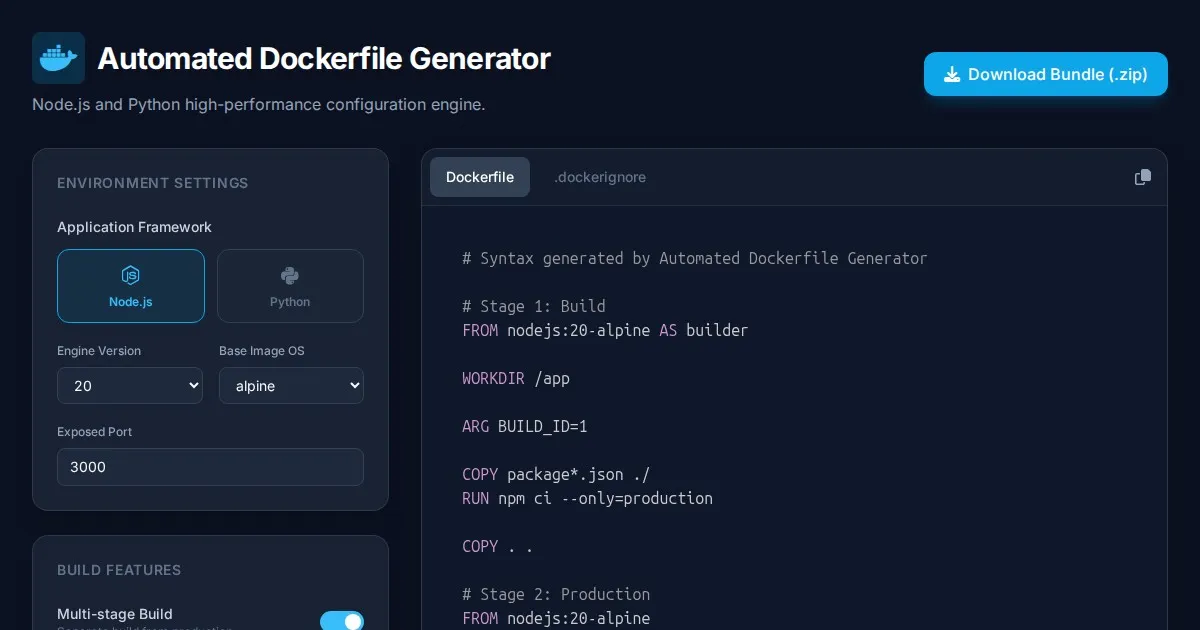
Automated Dockerfile Generator for Node.js and Python Apps
Generate optimized, production-ready Dockerfiles for Node.js and Python applications instantly. Customize base images, port configurations, and dependencies.

Free Base64 Image Data URI to File Size Calculator
Accurately calculate the file size of Base64 encoded image data strings. This free, web-based tool helps developers estimate binary file sizes for web apps.
Free Online Color Blindness Simulator & Image Filter Tool
Easily simulate color vision deficiencies like protanopia, deuteranopia, and tritanopia. Upload images to test design accessibility for color blindness.
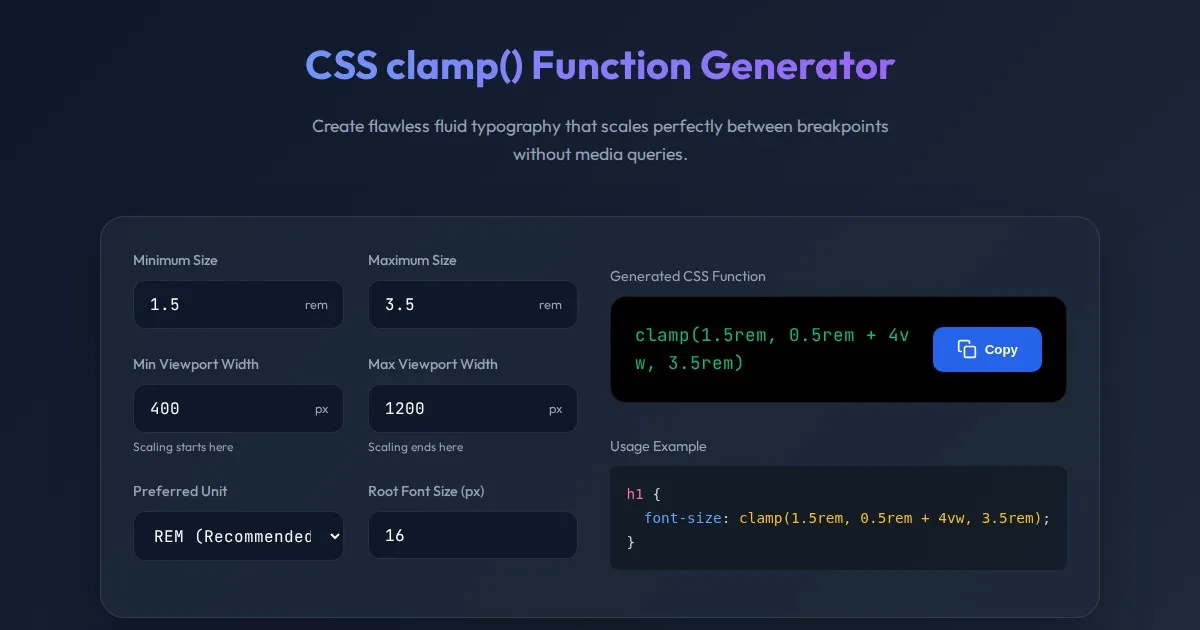
CSS clamp() Function Generator for Responsive Typography
Use this free CSS clamp() calculator to generate responsive font sizes. Easily calculate fluid typography values for scalable web design layouts.
Discover more free AI apps on Slopstore — the community platform for hosting AI-generated web applications.