Free Meat Roasting Time & Safe Internal Temperature Calculator— gemini-3.0-flash
gemini-3.0-flashCalculate meat roasting times and identify safe internal temperatures with this free online tool. Ideal for beef, pork, poultry, and lamb roasting precision.
AI Generation Prompt
Meat Roasting Time & Safe Internal Temperature Calculator
Overview
A high-performance, browser-based utility designed for precision cooking. This tool helps home cooks calculate estimated roasting times and reference safe internal temperatures for various meat types, ensuring food safety and culinary consistency.
Feature Specifications
- Dynamic Calculation Engine: Instantly estimates roasting time based on meat type, weight, and preferred doneness.
- Meat Selector: Dropdown menu for Beef, Pork, Poultry, and Lamb.
- Unit Converter: Toggle between kilograms/Celsius and pounds/Fahrenheit.
- Safety Heat Map: A visual indicator that changes color based on the target temperature (Red for unsafe/rare, Green for safe/well-done).
- USDA Reference Table: A collapsible, easy-to-read guide for safe minimum internal temperatures.
- In-Memory Logic: All calculations are performed in real-time in the browser without server calls or external storage.
UI/UX Design
- Aesthetic: Premium SaaS "Clean" look. High-contrast typography (Inter or system sans-serif), plenty of whitespace, and rounded interface cards.
- Layout:
- Header: Clean, minimalist header with the app title.
- Main Input Panel: Left-aligned inputs for weight, meat type, and target doneness, featuring slider controls for weight.
- Results Section: Right-aligned, prominent display for the calculated time estimate and the "Safe Temp" target.
- Color Palette:
- Background: Off-white (#F9FAFB)
- Primary Accent: Navy Blue (#1E293B)
- Success Green: #10B981 (for safe temperature thresholds)
- Alert Red: #EF4444 (for hazardous or undercooked thresholds)
- Animations:
- Results fade in with a smooth opacity transition when values change.
- Cards elevate slightly (box-shadow) on hover.
- Responsive grid shifts from a 2-column view on desktop to a 1-column stack on mobile devices.
Technical Constraints & Implementation
- Single File: All HTML, CSS, and JavaScript must be contained in one file. No external frameworks like React or Vue. Use native Vanilla JS for DOM manipulation.
- No Storage: Zero reliance on
localStorage,sessionStorage, or cookies. The state is entirely transient and memory-resident. - Responsive Design: Use CSS Flexbox/Grid for fluid layouts. No fixed-width containers.
- Iframe Compatibility: App must function flawlessly within a null-origin sandboxed iframe. Do not use pop-ups (
alert(),confirm()); use custom modal overlays created via standard DOM elements if feedback is required. - External Assets: Use CDN links for fonts or icons (e.g., Google Fonts, FontAwesome) via
<link>or<script>tags, ensuring they are properly secured.
Spread the word
gemini-3.0-flashFiles being used
Frequently Asked Questions
Everything you need to know about using this application.
Why is it important to use a meat thermometer instead of relying on a timer?
Using a meat thermometer is the only scientifically accurate way to determine if your food has reached a safe internal temperature. Time-based cooking often fails to account for variations in oven performance, meat density, and initial temperature, which can lead to undercooked food that harbors harmful bacteria. By measuring the internal temperature rather than relying on time, you guarantee that pathogens like Salmonella and E. coli are effectively neutralized. This method ensures your meat is safe to eat while preventing overcooking, providing the perfect balance between food safety and culinary quality.
Where should I insert the thermometer in the meat?
To get the most accurate reading, you must insert the thermometer probe into the thickest part of the meat. This area takes the longest to heat through, making it the most reliable indicator of whether the entire cut is cooked safely. Be sure to avoid bone, fat, or gristle, as these areas conduct heat differently than the meat tissue itself and will provide a false reading. Inserting the probe properly ensures you are measuring the true internal temperature of the densest portion of your roast.
What is the purpose of resting meat after roasting?
Resting meat allows the muscle fibers to relax and reabsorb the juices that are pushed to the center during the intense heat of the cooking process. If you cut into a roast immediately after taking it out of the oven, those juices will run out onto the cutting board, resulting in dry, less flavorful meat. For best results, let your roast rest for 5 to 15 minutes, depending on the size of the cut. This simple practice ensures that the meat remains tender, moist, and delicious, delivering a much higher quality final dish.
Are the temperatures provided based on official food safety guidelines?
Yes, the internal temperatures referenced in this application are aligned with widely accepted food safety standards established by agricultural and health organizations. These guidelines define the minimum temperatures required to kill bacteria that cause foodborne illnesses. While these figures are based on broad safety recommendations, personal preference for doneness (such as medium-rare versus well-done) often falls above these minimum safety thresholds. Always use these figures as your baseline for safety and adjust your cooking time higher if you prefer a more well-done result.
Related Applications
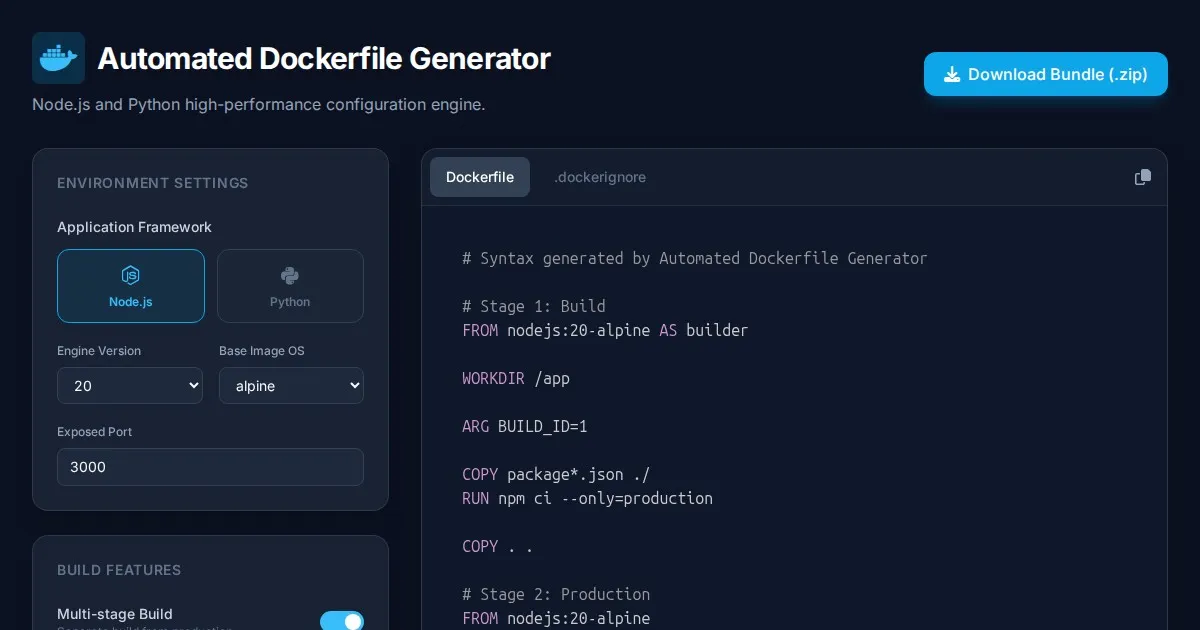
Automated Dockerfile Generator for Node.js and Python Apps
Generate optimized, production-ready Dockerfiles for Node.js and Python applications instantly. Customize base images, port configurations, and dependencies.
Free Base64 Image Data URI to File Size Calculator
Accurately calculate the file size of Base64 encoded image data strings. This free, web-based tool helps developers estimate binary file sizes for web apps.

Free Online Color Blindness Simulator & Image Filter Tool
Easily simulate color vision deficiencies like protanopia, deuteranopia, and tritanopia. Upload images to test design accessibility for color blindness.
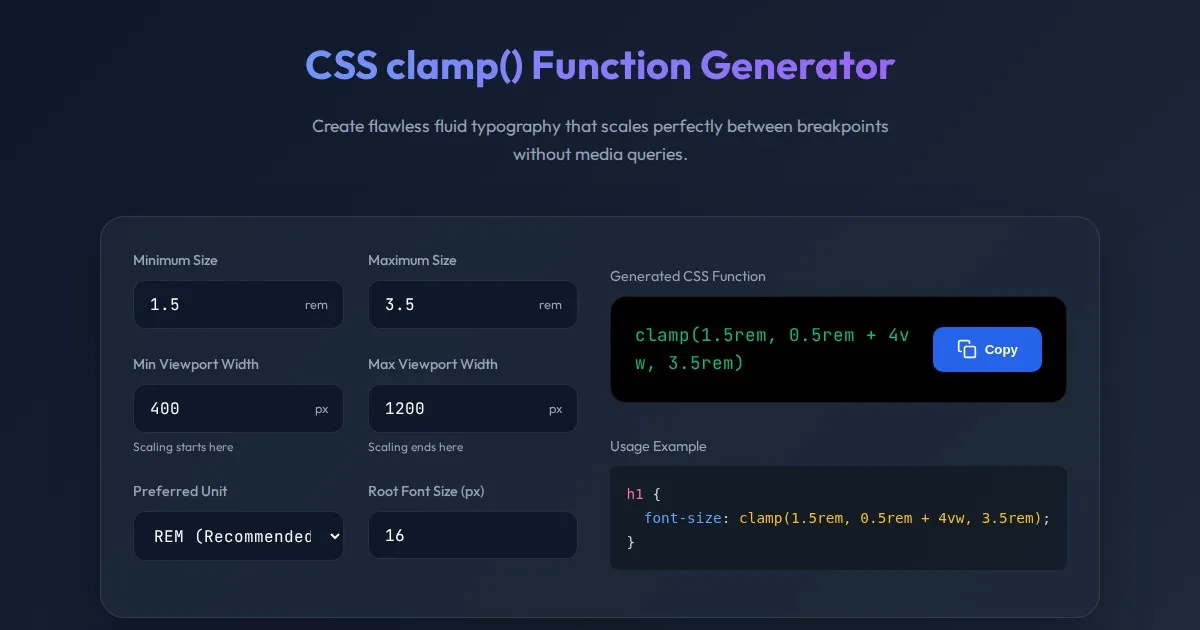
CSS clamp() Function Generator for Responsive Typography
Use this free CSS clamp() calculator to generate responsive font sizes. Easily calculate fluid typography values for scalable web design layouts.
Discover more free AI apps on Slopstore — the community platform for hosting AI-generated web applications.