Free Meat Smoking Brine Salinity & Equilibrium Time Calculator— gemini-3.0-flash
gemini-3.0-flashCalculate precise salt ratios for equilibrium brining. Determine exact salt weight and estimated curing time for safe, flavorful smoked meat with our free tool.
AI Generation Prompt
Meat Smoking Brine Salinity & Equilibrium Time Calculator
Overview
A clean, professional, and highly responsive web utility designed for pitmasters and culinary enthusiasts. This tool simplifies the complex math required for equilibrium brining, ensuring precise salinity levels and accurate curing time estimates for smoking and charcuterie projects.
Core Features
- Precision Calculation Engine: Calculates salt weight based on the total mass (meat + water) to reach a specific salinity percentage.
- Unit Conversion: Seamless toggling between Metric (g, kg) and Imperial (oz, lbs) systems.
- Thickness-Based Timing: Estimates curing duration based on the thickness of the meat cut.
- Ingredient Scaling: Allows users to input exact brine volume or calculate required water based on meat size.
- Safe Handling Guide: Dynamically displays food safety reminders based on the calculated parameters.
- Print-Friendly View: A clean layout that allows users to print or save their specific brine recipe for the smoker.
Technical Implementation
- Architecture: Single HTML file containing all logic (Vanilla JS), structure (HTML5), and styling (Tailwind CSS via CDN).
- State Management: Zero persistence (No localStorage/IndexedDB). All inputs and calculations are handled via transient in-memory variables. If the page reloads, the state resets.
- UI/UX: Custom CSS modals for warnings (e.g., "Warning: High Salt Percentage") instead of browser
alert()prompts. - Performance: High-performance, instant reactivity. Calculations update immediately as the user changes inputs.
UI/UX Design Specification
- Aesthetic: Modern SaaS-style. Clean whitespace, soft rounded corners (standard
rounded-lg), and subtle drop shadows (shadow-sm,shadow-md). - Color Palette:
- Background:
#F8FAFC(Slate 50) - Cards/Containers:
#FFFFFF(White) - Primary Accent:
#3B82F6(Blue 500) for CTA buttons. - Secondary Text:
#64748B(Slate 500) for labels. - Main Text:
#0F172A(Slate 900) for readability. - Success/Indicator Color:
#10B981(Emerald 500) for calculated results.
- Background:
- Animations: Subtle
transition-allon input fields. Calculated results should use a simple CSSfade-inanimation when they update.
Layout Structure
- Header: Clean title with a brief, high-value value proposition statement.
- Input Section: A two-column grid (desktop) that stacks on mobile. Fields:
Meat Weight,Water Weight,Target Salinity %,Meat Thickness. - Dynamic Results Panel: An highlighted area (light blue background) displaying
Required Salt,Total Brine Weight, andEstimated Time. - Contextual Instructions: A collapsible section below the results that provides step-by-step instructions based on the input values.
Developer Directives
- NO STORAGE: Strictly use
letorconstvariables. Any attempt to uselocalStoragewill result in failure. - SECURITY: All user inputs must be sanitized using simple regex to prevent errors. Ensure the tool does not attempt to send data to any server; all calculations must happen client-side.
- RESPONSIVENESS: Use a mobile-first approach. Ensure input fields are large enough for thumb-tapping on mobile devices.
- DOCUMENTATION: Include all CSS and JS within the single HTML file, using
<style>and<script>blocks respectively.
Spread the word
gemini-3.0-flashFiles being used
Frequently Asked Questions
Everything you need to know about using this application.
What is equilibrium brining for meat smoking?
Equilibrium brining is a precise method of curing meat where the total amount of salt is calculated based on the combined weight of the meat and the water used in the brine. Unlike 'immersion brining' where salt concentrations vary wildly over time, equilibrium brining ensures that the meat eventually reaches the exact salinity percentage of the liquid, resulting in perfectly consistent seasoning throughout the protein. Because this process relies on diffusion until an equilibrium state is reached, it is impossible to over-salt the meat as long as your calculations are correct. This makes it a preferred technique for competitive pitmasters and home smoking enthusiasts who demand repeatable results and safety during long curing processes.
Why should I use a digital equilibrium brine calculator?
Calculating brine ratios manually can be prone to human error, especially when converting between imperial and metric units or adjusting for different salt densities. A digital calculator eliminates guesswork by automatically determining the exact weight of salt needed based on your chosen salinity percentage, ensuring that your protein is safe, perfectly seasoned, and compliant with food safety standards. Furthermore, estimating curing time is notoriously difficult because it depends heavily on the thickness of the cut and the temperature of the refrigerator. By using a specialized calculator, you get an evidence-based estimate of how many days your meat needs to rest in the brine to achieve equilibrium, preventing the risk of under-cured or improperly penetrated meat.
How do I determine the right salt percentage for my brine?
The ideal salt percentage typically ranges between 1.5% and 3.0% by total weight. A 2.0% salinity is often considered the 'sweet spot' for most smoking applications, as it provides enough salt to enhance flavor and retain moisture without making the final product overly salty. You may choose to increase the percentage up to 3.0% for heavy curing, such as when making ham or bacon, or decrease it for delicate proteins like fish. It is important to remember that this percentage applies to the total weight of the meat plus the water. Always use the metric system (grams) when weighing your ingredients, as even small variations in volume measurements can lead to significant differences in salinity levels when scaled up for larger cuts of meat.
Does meat thickness affect how long it takes to brine?
Yes, meat thickness is the primary variable that determines how long salt takes to diffuse evenly throughout the muscle fibers. In an equilibrium brine, the salt must travel from the exterior to the center of the meat; thicker cuts have a longer path for this diffusion process, meaning they require significantly more time to reach a state of equilibrium compared to thin steaks or poultry parts. Our tool uses geometric approximations based on the thickness of the thickest part of your meat to estimate the time required for the salt to penetrate fully. It is always better to err on the side of caution and leave the meat in the brine for an extra 12 to 24 hours if you are uncertain, as equilibrium brining is designed to stop once the target salinity is reached, meaning the meat will not get saltier after reaching the equilibrium point.
Related Applications
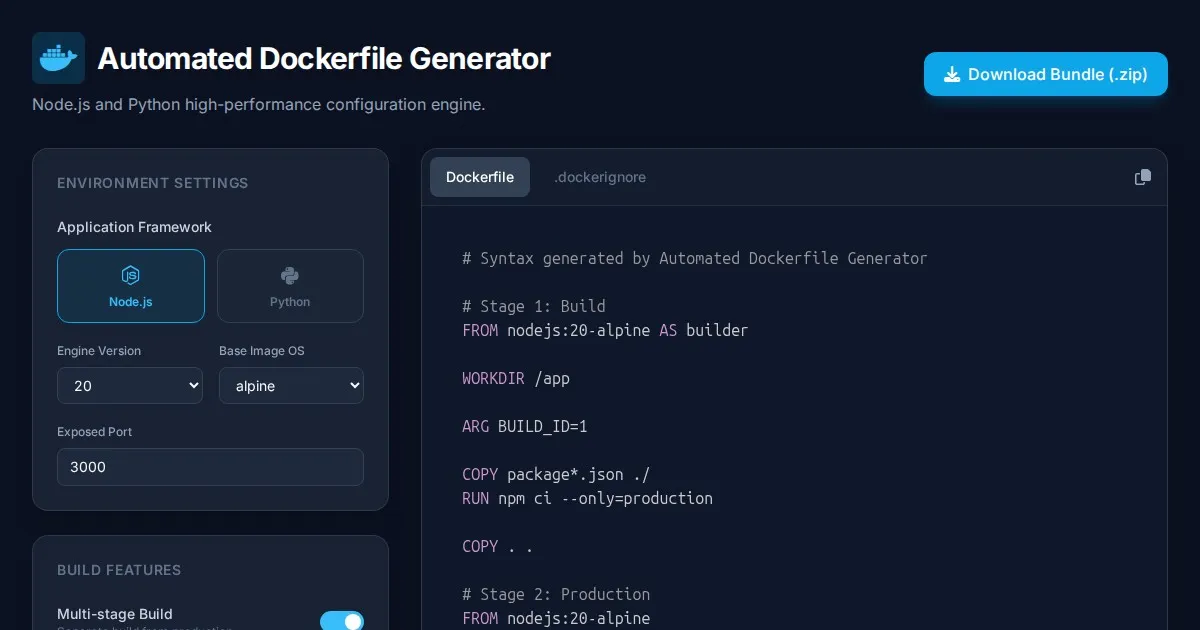
Automated Dockerfile Generator for Node.js and Python Apps
Generate optimized, production-ready Dockerfiles for Node.js and Python applications instantly. Customize base images, port configurations, and dependencies.

Free Base64 Image Data URI to File Size Calculator
Accurately calculate the file size of Base64 encoded image data strings. This free, web-based tool helps developers estimate binary file sizes for web apps.

Free Online Color Blindness Simulator & Image Filter Tool
Easily simulate color vision deficiencies like protanopia, deuteranopia, and tritanopia. Upload images to test design accessibility for color blindness.
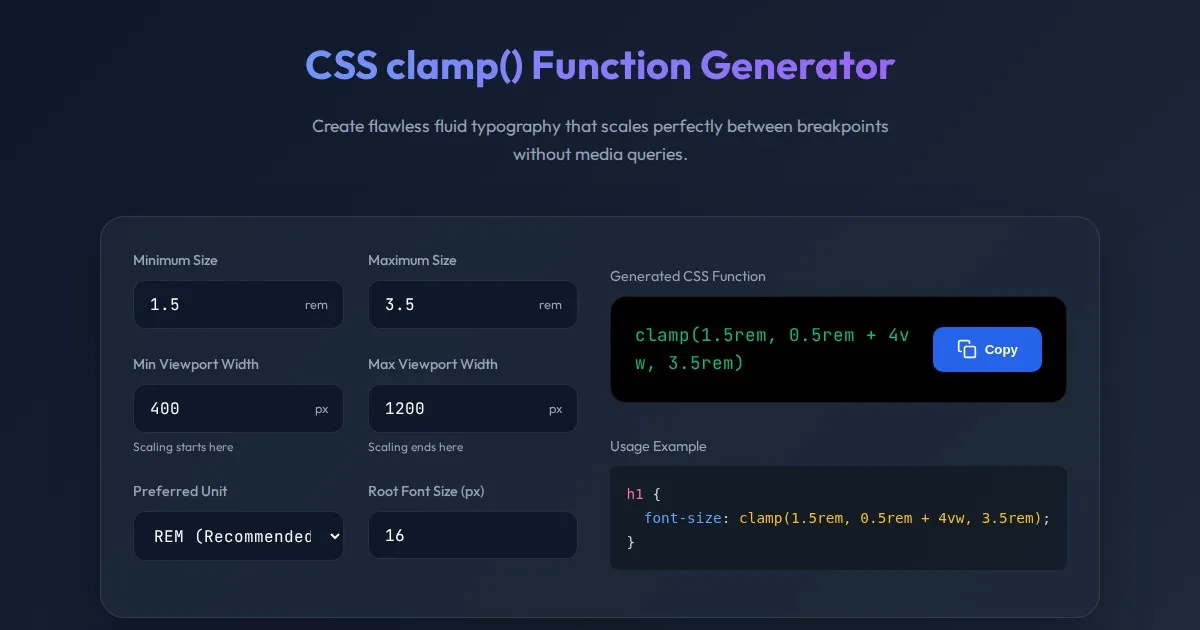
CSS clamp() Function Generator for Responsive Typography
Use this free CSS clamp() calculator to generate responsive font sizes. Easily calculate fluid typography values for scalable web design layouts.
Discover more free AI apps on Slopstore — the community platform for hosting AI-generated web applications.