Free Motorcycle Chain Slack & Sag Angle Calculator— gemini-3.0-flash
gemini-3.0-flashCalculate motorcycle chain slack and sag with our easy-to-use tool. Determine precise chain tension based on swingarm angle for safer, smoother riding.
AI Generation Prompt
Technical Specification: Motorcycle Chain Slack & Sag Angle Calculator
1. Overview
This single-file application serves as a high-precision calculation tool for motorcycle mechanics and enthusiasts. It determines whether a motorcycle chain's slack is within safe operating parameters by calculating the trigonometric relationship between the chain slack, sprocket distance, and the swingarm angle.
2. UI Layout & Architecture
- Header: A clean, professional title block with a description of the tool's utility. No logos or branding.
- Main Tool Area: A two-column grid (on desktop) that collapses into a single column (on mobile).
- Input Panel (Left): Card-based input fields for 'Sprocket Center Distance', 'Swingarm Angle (Degrees)', 'Current Chain Slack', and 'Manufacturer Recommended Slack'.
- Visualizer Panel (Right): A responsive SVG illustration dynamically updated via JavaScript to show the chain sag relative to the swingarm geometry.
- Results Section: A prominent 'Status Indicator' (green for good, amber/red for adjustment required) with a clear, text-based recommendation.
3. Aesthetics & Color Palette
- Theme: Strict light mode. High-contrast, professional, and readable.
- Palette:
- Background:
#F8FAFC(Soft Slate Grey) - Primary Cards:
#FFFFFF(White) - Primary Accent:
#2563EB(Professional Blue for action buttons) - Text:
#1E293B(Dark Slate for headings),#475569(Grey for body) - Success/Warning:
#16A34A(Green) and#DC2626(Red)
- Background:
- Animations: All transitions (state changes, input validation) will utilize
transition: all 0.3s ease-in-out;for a smooth, high-end feel. No jittery layout shifts.
4. Technical Guidelines
- Architecture: Zero-dependency (or CDN-only) Vanilla JS, HTML5, and CSS3.
- Sandboxed Compatibility:
- NO persistent storage: No
localStorage,sessionStorage, or cookies. The tool must be purely stateless. - NO blocking alerts: All user notifications must be handled via DOM-based modal/toast messages within the application body.
- NO persistent storage: No
- Accessibility: Ensure high contrast ratios and keyboard navigability for all input fields.
- Responsive Design: Use CSS Flexbox/Grid. The SVG visualizer must scale proportionally without breaking the container.
5. Core Functionality Features
- Trigonometric Calculation Engine: Uses JavaScript
Math.sin()andMath.cos()to calculate chord length variations based on swingarm geometry. - SVG Dynamics: The SVG diagram will feature a
<path>element that updates itsdattribute based on the calculated slack, providing instant visual feedback. - Safety Warnings: A non-intrusive notification system that highlights if the input values are physically impossible (e.g., negative slack) or outside of reasonable tolerance ranges.
- Print-Friendly CSS: A print media query to allow users to print the results screen for their maintenance logs.
Spread the word
gemini-3.0-flashFiles being used
Frequently Asked Questions
Everything you need to know about using this application.
Why is calculating chain slack important for motorcycle maintenance?
Proper chain slack is critical for both rider safety and the longevity of your motorcycle's drivetrain components. If a chain is too tight, it will cause excessive stress on the output shaft bearing and the chain links, leading to premature wear or catastrophic failure while riding. Conversely, a chain that is too loose can derail or slap against the swingarm, causing damage to the frame and potentially locking the rear wheel. Calculating the correct slack based on the motorcycle's specific geometry helps account for the arc of the swingarm. As the suspension compresses, the distance between the countershaft sprocket and the rear sprocket often changes; having the correct baseline slack ensures that the chain never reaches a tension limit that could snap it during hard suspension compression.
How does the swingarm angle affect chain tension measurements?
The swingarm angle is a fundamental geometric variable in chain tension. As the swingarm moves through its arc of travel, the distance between the engine sprocket and the rear sprocket changes. This movement effectively tightens or loosens the chain depending on the bike's design and suspension linkage setup. By measuring the angle, our tool helps riders identify the 'tight spot' in the chain's travel path. Understanding this relationship prevents the common mistake of adjusting chain slack solely based on the unladen position, which often results in an overly tight chain once the rider sits on the motorcycle or hits a bump.
Does this tool save my motorcycle settings?
This tool is designed with a strict privacy-first, zero-storage architecture. It does not use cookies, localStorage, or any form of persistent database to save your motorcycle configurations or personal measurements. Every calculation is performed in-memory when you input the data and is cleared immediately upon page refresh. This design ensures that your data remains entirely yours and cannot be retrieved by unauthorized parties. If you need to keep records of your maintenance history, we recommend noting the results manually in a service logbook or your personal maintenance tracker.
How do I measure my motorcycle chain slack correctly?
To get an accurate measurement, locate the midpoint of the chain run between the two sprockets. Ensure the motorcycle is in neutral and on a paddock stand or side stand, depending on the manufacturer's specific service manual requirements. Push up on the chain and measure the distance from a fixed point on the swingarm to the chain link, then pull down to find the total vertical movement. Once you have that vertical movement value, input it into our calculator alongside your swingarm measurement details. The tool will then provide an objective assessment of whether your current slack falls within the safety parameters or if you need to adjust your chain tensioners to reach the manufacturer's recommended specifications.
Related Applications
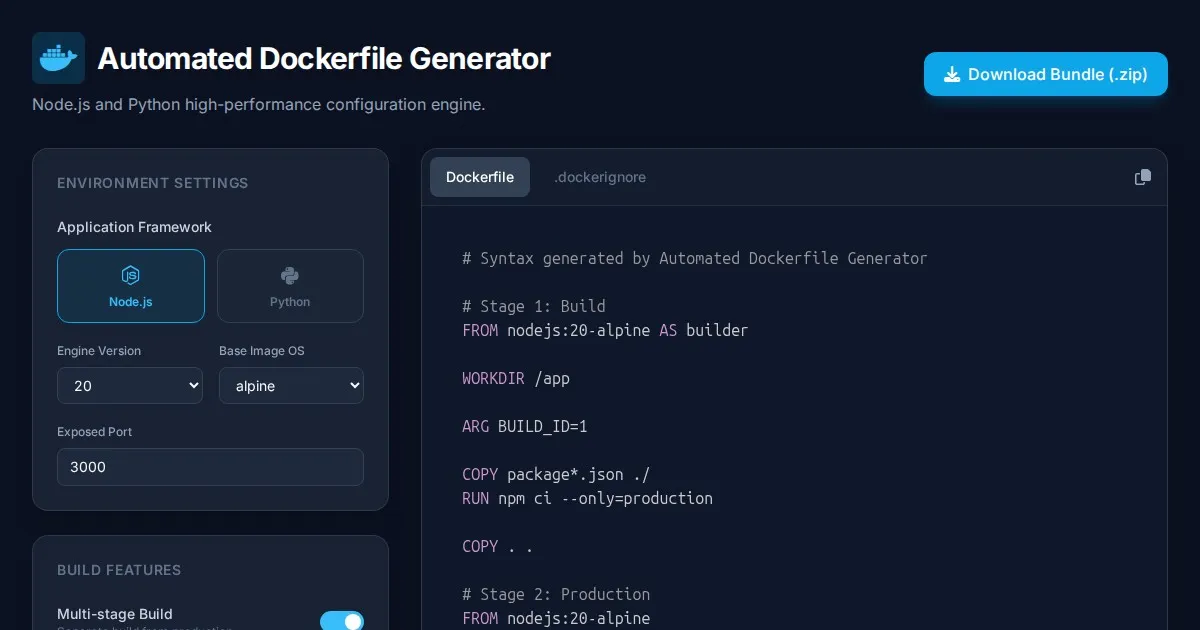
Automated Dockerfile Generator for Node.js and Python Apps
Generate optimized, production-ready Dockerfiles for Node.js and Python applications instantly. Customize base images, port configurations, and dependencies.
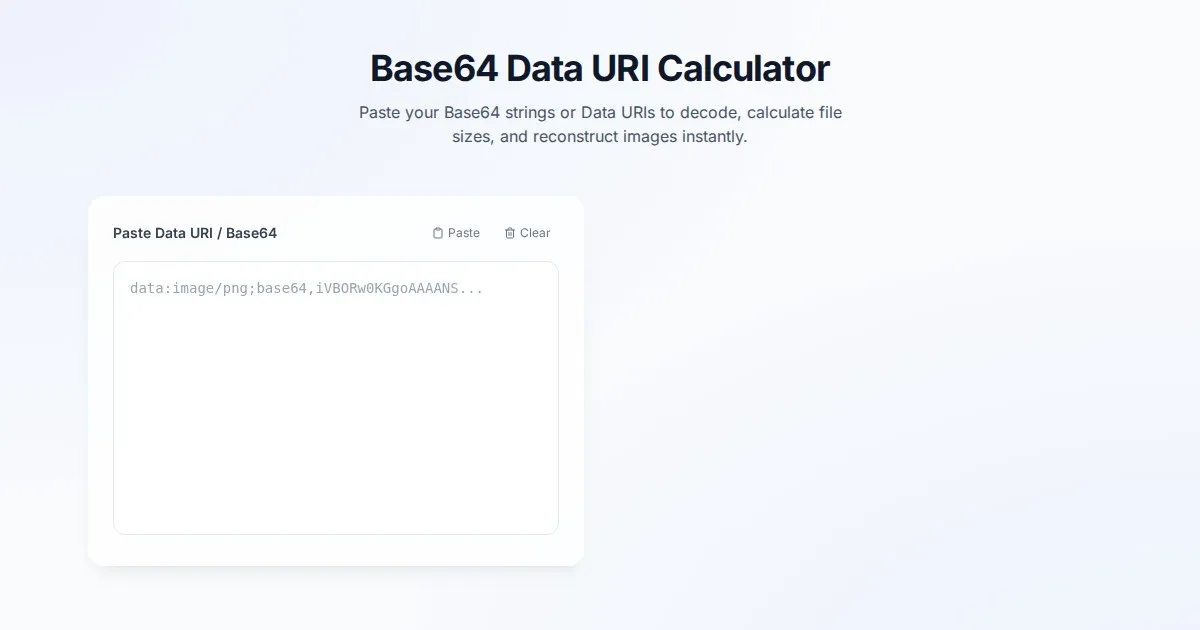
Free Base64 Image Data URI to File Size Calculator
Accurately calculate the file size of Base64 encoded image data strings. This free, web-based tool helps developers estimate binary file sizes for web apps.

Free Online Color Blindness Simulator & Image Filter Tool
Easily simulate color vision deficiencies like protanopia, deuteranopia, and tritanopia. Upload images to test design accessibility for color blindness.
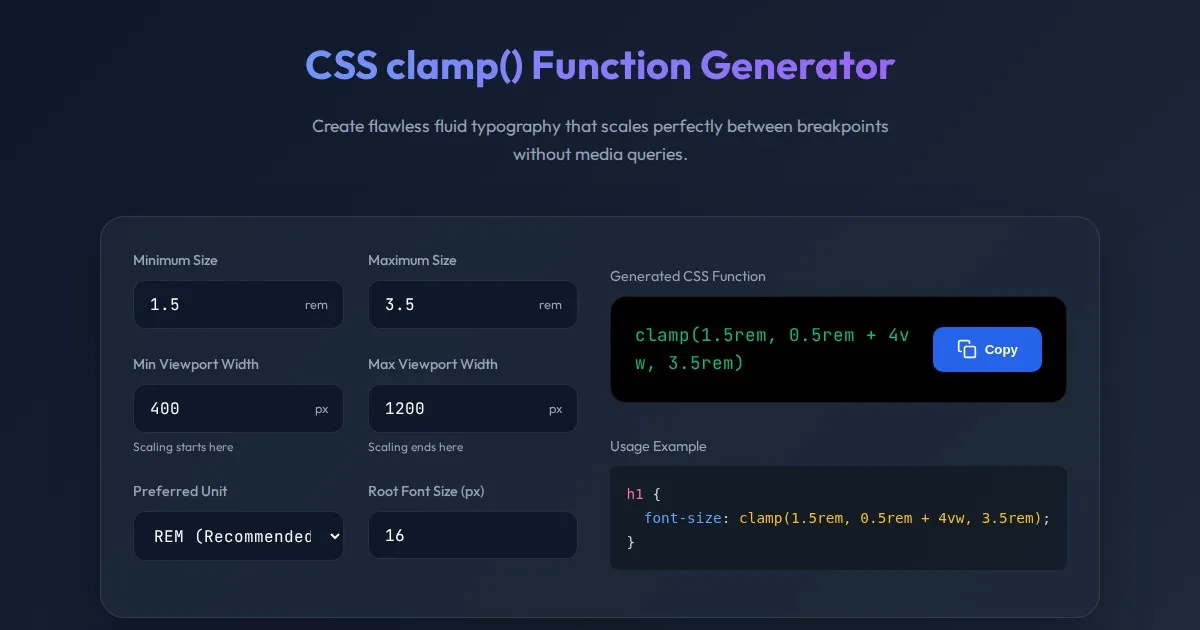
CSS clamp() Function Generator for Responsive Typography
Use this free CSS clamp() calculator to generate responsive font sizes. Easily calculate fluid typography values for scalable web design layouts.
Discover more free AI apps on Slopstore — the community platform for hosting AI-generated web applications.