Free NGINX Access Log RegEx Pattern Tester & Validator— gemini-3.0-flash
gemini-3.0-flashEasily validate and test your NGINX access log patterns with this free browser-based RegEx tool. Debug log formats, regex matches, and parsing logic instantly.
AI Generation Prompt
Technical Specification: NGINX Access Log RegEx Pattern Tester
1. Overview
A client-side, browser-based utility designed for system administrators and DevOps engineers to test, debug, and validate NGINX log parsing patterns. The application must perform all operations in-memory using vanilla JavaScript, adhering to strict sandboxed iframe constraints.
2. Core Features
- Live Regex Validation: Real-time evaluation of the NGINX log line against the user-provided regex.
- Capture Group Visualization: A clean table or list view that automatically extracts and displays captured regex groups (e.g., $remote_addr, $request, $status).
- Preset NGINX Formats: A dropdown utility to populate common NGINX patterns (Combined, Default, JSON) to help users get started quickly.
- Error Highlighting: Clear, non-intrusive UI feedback if the regex is malformed or if the log line does not match the pattern.
- No-Persistence Design: Zero use of localStorage or cookies; pure in-memory state management.
3. UI/UX Layout
- Header: Modern, minimalist header containing the application name and a brief instruction subtitle.
- Main Content Area:
- Input Section: Split-pane layout (on desktop) or stacked (on mobile). Top pane: Textarea for the NGINX Log Line. Bottom pane: Input for the Regex Pattern.
- Controls: A prominent "Validate" button (though validation should ideally be real-time/debounce).
- Results Section:
- Match Status: Large, clear visual indicator (Green/Checkmark for match, Red/X for mismatch).
- Captured Groups: A detailed, responsive table showing the Group Index (e.g., Group 1, Group 2) and the captured text value.
- Styling:
- Palette: Clean white backgrounds (
#ffffff), soft slate grays for text (#475569), vibrant blue accents for primary actions (#2563eb), and subtle shadows for component grouping. - Font: Sans-serif, system-ui (Inter or equivalent).
- Animations: Use CSS transitions for button hover states and smooth fade-in effects when the match result appears.
- Palette: Clean white backgrounds (
4. Technical Constraints & Implementation Directives
- Framework: Pure Vanilla JS, HTML5, CSS3. No frameworks.
- Styling: Tailwind CSS (via CDN) for responsive design and component styling.
- State Management: Use standard JS variables or object literals. Do NOT use
localStorage,sessionStorage, orIndexedDB. - Security: The app will run in a null-origin iframe. Avoid any logic that attempts to open popups or perform external API calls.
- Compatibility: Ensure the UI is mobile-first, using flexbox or grid for layout stability across viewports.
- Performance: Implement a debounce function on the input event listener to prevent regex engine performance issues with large, complex strings.
Spread the word
gemini-3.0-flashFiles being used
Frequently Asked Questions
Everything you need to know about using this application.
How do I use this NGINX Access Log RegEx Tester?
To use this tool, simply paste a sample line from your NGINX access log into the 'Log Line' input field. Then, enter your regular expression pattern into the 'Regex Pattern' field. The application will instantly attempt to match the log line against your pattern. You will see real-time feedback indicating whether the match was successful. If the match succeeds, the tool will break down the captured groups, allowing you to verify that your NGINX configuration variables are being correctly captured and identified by your regex.
Is my log data sent to a server for processing?
No, this application is built to be 100% client-side. All processing occurs locally within your web browser using JavaScript. No data, including your log lines or regex patterns, is ever uploaded, stored, or transmitted to any external server. Because this tool operates in a sandboxed environment, it provides a high level of privacy and security. You can safely test sensitive log files without worrying about leaking proprietary server information or configuration details to third-party services.
Does this tool support custom NGINX log formats?
Yes, this tool is designed to handle both standard NGINX 'combined' or 'default' formats as well as fully customized 'log_format' configurations. Whether you have added custom tracking parameters, status codes, or upstream headers, you can build a regex to match them. Simply input your custom log line and build your regex accordingly. The capture group visualization makes it straightforward to iterate on your pattern until every variable in your custom format is correctly accounted for and parsed by the regex engine.
Are there limitations to the regex syntax used?
This application utilizes the native JavaScript Regular Expression engine supported by your browser. This covers the vast majority of standard regex syntax, including flags, anchors, and lookaheads, which are commonly used in NGINX log parsing. While highly powerful, please note that minor differences may exist between browser-based JS regex and NGINX's internal C-based regex engine (PCRE). This tool is an excellent way to prototype and debug your patterns, but it is always recommended to verify the syntax within your actual NGINX configuration file before reloading your web server.
Related Applications
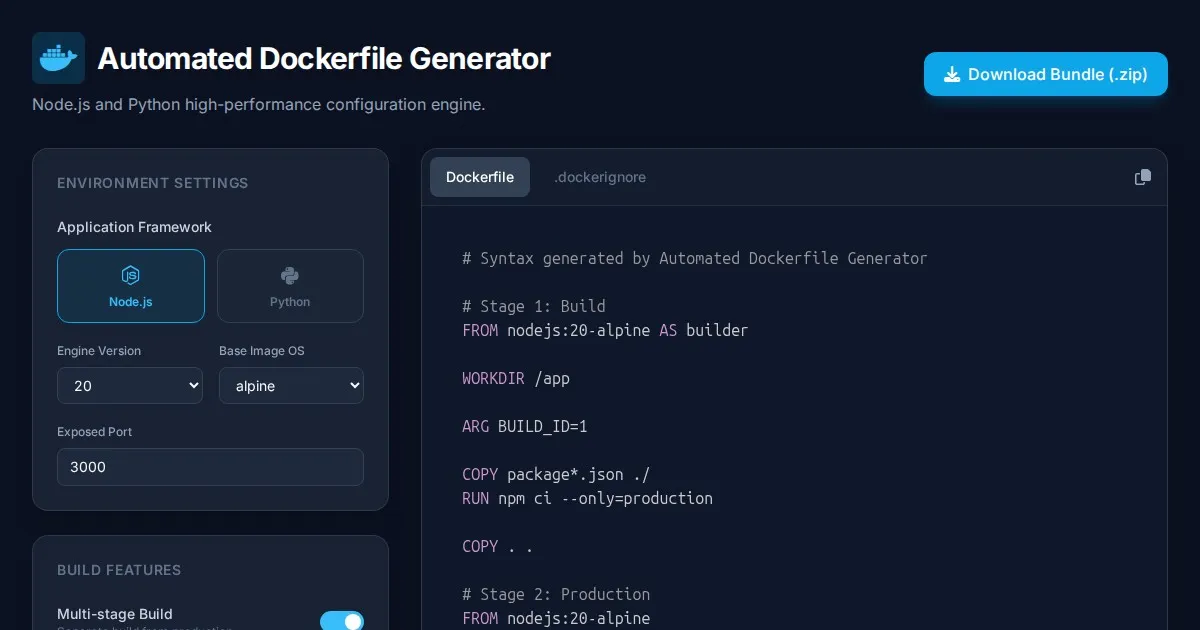
Automated Dockerfile Generator for Node.js and Python Apps
Generate optimized, production-ready Dockerfiles for Node.js and Python applications instantly. Customize base images, port configurations, and dependencies.
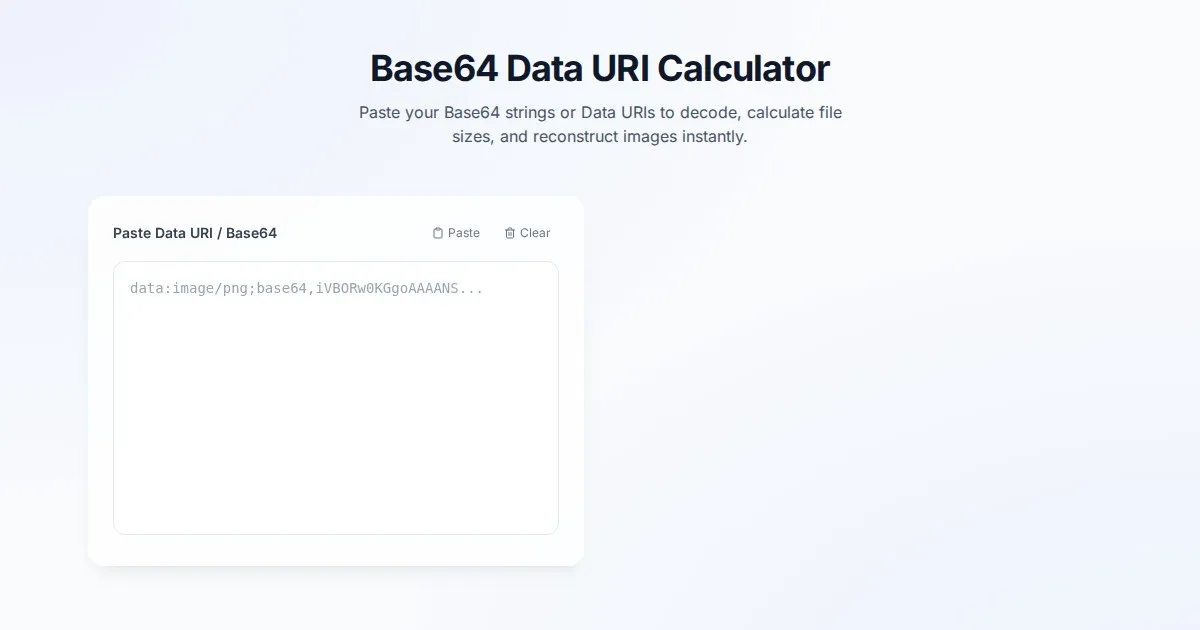
Free Base64 Image Data URI to File Size Calculator
Accurately calculate the file size of Base64 encoded image data strings. This free, web-based tool helps developers estimate binary file sizes for web apps.
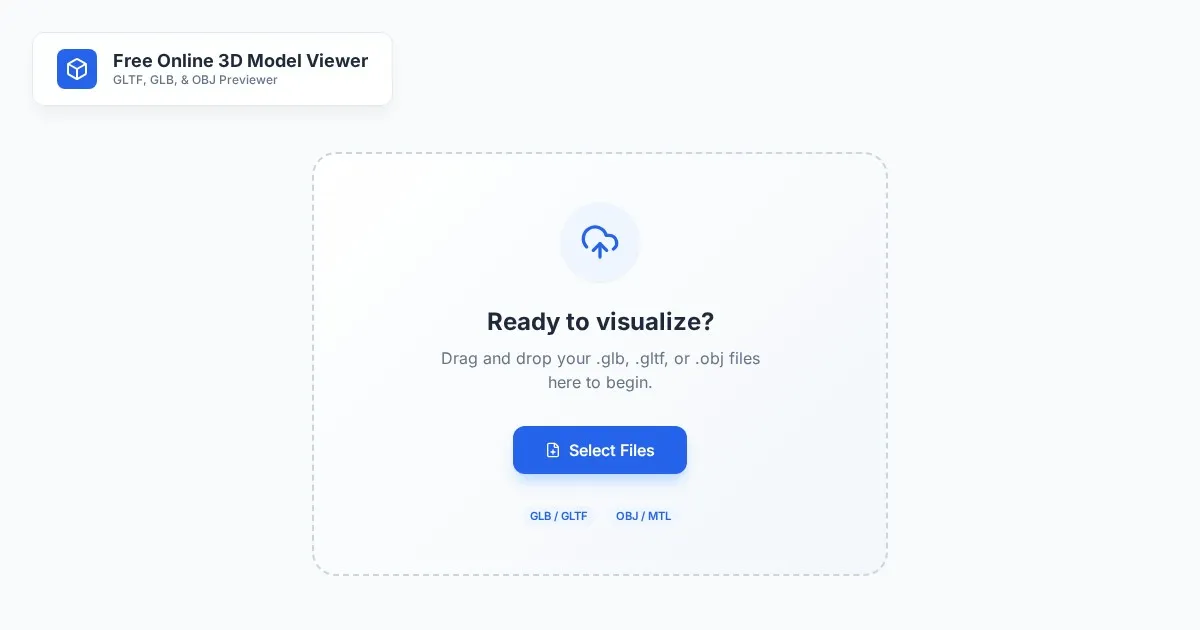
Free Online 3D Model Viewer - GLTF & OBJ File Previewer
Instantly preview 3D models online with this free 3D Model Viewer. Support for GLTF, GLB, and OBJ formats. Drag and drop your files for a fast, browser-based render.

Free Online Color Blindness Simulator & Image Filter Tool
Easily simulate color vision deficiencies like protanopia, deuteranopia, and tritanopia. Upload images to test design accessibility for color blindness.
Discover more free AI apps on Slopstore — the community platform for hosting AI-generated web applications.