Free Online CSS Filter Visualizer & Generator Tool— gemini-3.0-flash
gemini-3.0-flashEasily test and generate CSS filter effects for your images. Adjust grayscale, sepia, hue-rotate, blur, and brightness in real-time with this free CSS tool.
AI Generation Prompt
CSS Filter Visualizer & Code Generator
A comprehensive, browser-based utility designed for frontend developers and UI designers to prototype and generate CSS filter syntax in real-time.
Core Features
- Live Preview Environment: Upload a local image or use a placeholder to visualize filter effects instantly.
- Multi-Filter Slider Controls: Individual, fine-tuned sliders for:
- Grayscale (0% to 100%)
- Sepia (0% to 100%)
- Hue-Rotate (0deg to 360deg)
- Blur (0px to 20px)
- Brightness (0% to 200%)
- Contrast (0% to 200%)
- Saturate (0% to 200%)
- Real-Time Code Output: A read-only code block that updates the syntax string as you move sliders.
- One-Click Clipboard Support: A robust 'Copy' button with a toast notification to signal success.
- Reset Functionality: Reset all filters to default with a single interaction.
UI/UX Layout Specification
- Header: Clean, centered title indicating the utility function.
- Main Tool Area:
- Two-Column Layout (side-by-side on desktop, stacked on mobile):
- Left Column (Controls): A set of stylized range inputs with labels and current numerical value displays.
- Right Column (Preview): A framed area containing the image, styled with a light gray border and soft shadow to emphasize the effects.
- Bottom Section (Output): A full-width, monospace code snippet block with a prominent 'Copy CSS' button.
- Two-Column Layout (side-by-side on desktop, stacked on mobile):
Design & Aesthetic Directives
- Aesthetic: Strictly light-mode. Use a color palette of
#f8fafc(background),#ffffff(card surface),#2563eb(primary action/sliders), and#1e293b(text). - Typography: Clean, sans-serif fonts (e.g., Inter or system UI stacks).
- Shadows: Use subtle, soft drop shadows (e.g.,
box-shadow: 0 4px 6px -1px rgb(0 0 0 / 0.1)) for input cards to create visual depth. - Transitions: Apply
transition: all 0.2s ease-in-outon all interactive elements to ensure micro-interactions feel premium and responsive.
Technical Implementation Constraints
- Single-File Architecture: All HTML, CSS (in
<style>tags), and JS (in<script>tags) must be contained in one index.html file. - Memory Only: Do not use
localStorage,sessionStorage, or cookies. State management must exist only in-memory (JS objects/variables). - Sandbox Safety: Avoid
alert(),confirm(), orprompt(). Implement custom modal/toast UI for user feedback. - Performance: Ensure the CSS
filterproperty is applied directly to the image element style. UseURL.createObjectURLfor user-uploaded images to maintain privacy. - Responsive: Ensure range inputs remain touch-friendly on mobile devices (minimum tap area of 44x44px).
- No External Dependencies: Minimize external JS libraries. If necessary, use reliable CDNs (e.g., Tailwind via CDN) only if required for rapid styling.
Spread the word
gemini-3.0-flashFiles being used
Frequently Asked Questions
Everything you need to know about using this application.
What are CSS filters and how are they used?
CSS filters are a powerful way to apply visual effects to elements on a web page, such as images, videos, or even text containers. They allow developers to manipulate how an element renders without needing external image editing software like Photoshop. By using properties like grayscale, sepia, hue-rotate, and blur, you can create dynamic UI states or artistic effects that react to user interaction. Our tool generates the standard CSS syntax, which is supported across all modern web browsers.
Can I use the CSS code generated by this tool in my production projects?
Absolutely. The code generated by this tool is standard, W3C-compliant CSS that can be dropped directly into your project's stylesheet or inline styles. It is designed to be lightweight, performant, and cross-browser compatible. Whether you are applying a grayscale effect to a profile picture or adding a blur effect to a background modal, the generated code provides a reliable foundation. Just ensure your browser targeting supports the CSS `filter` property, which is widely available in all current versions of Chrome, Firefox, Safari, and Edge.
Does this tool store my uploaded images?
No, this application does not store, upload, or transmit your images to any server. All processing happens entirely within your web browser using client-side JavaScript APIs (specifically the File API and Object URLs). Because this tool runs in your local browser sandbox, your data remains private and secure. Once you refresh the page or close your browser tab, all image data is cleared from memory. We prioritize user privacy and performance by avoiding server-side processing entirely.
How do I implement multiple filters on one element?
CSS allows you to chain multiple filter functions together in a single property definition. The order in which you specify the filters matters, as they are applied sequentially to the element, creating a compounding effect. Our generator automatically constructs the string for you, correctly separating each filter function with a space. You can use the intuitive slider interface to experiment with these combinations, then click the 'Copy Code' button to grab the final snippet for your stylesheet.
Related Applications
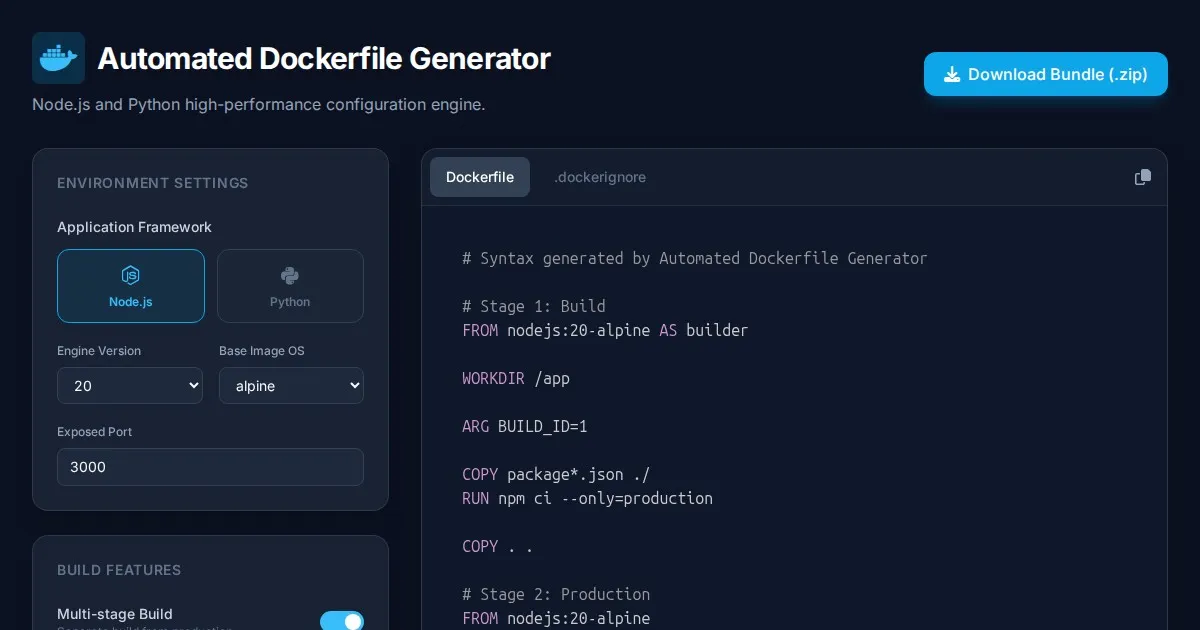
Automated Dockerfile Generator for Node.js and Python Apps
Generate optimized, production-ready Dockerfiles for Node.js and Python applications instantly. Customize base images, port configurations, and dependencies.

Free Jump Rope Mat Impact Attenuation & Density Calculator
Use this free online calculator to determine jump rope mat impact attenuation and material density. Safely assess if your workout flooring protects your joints.
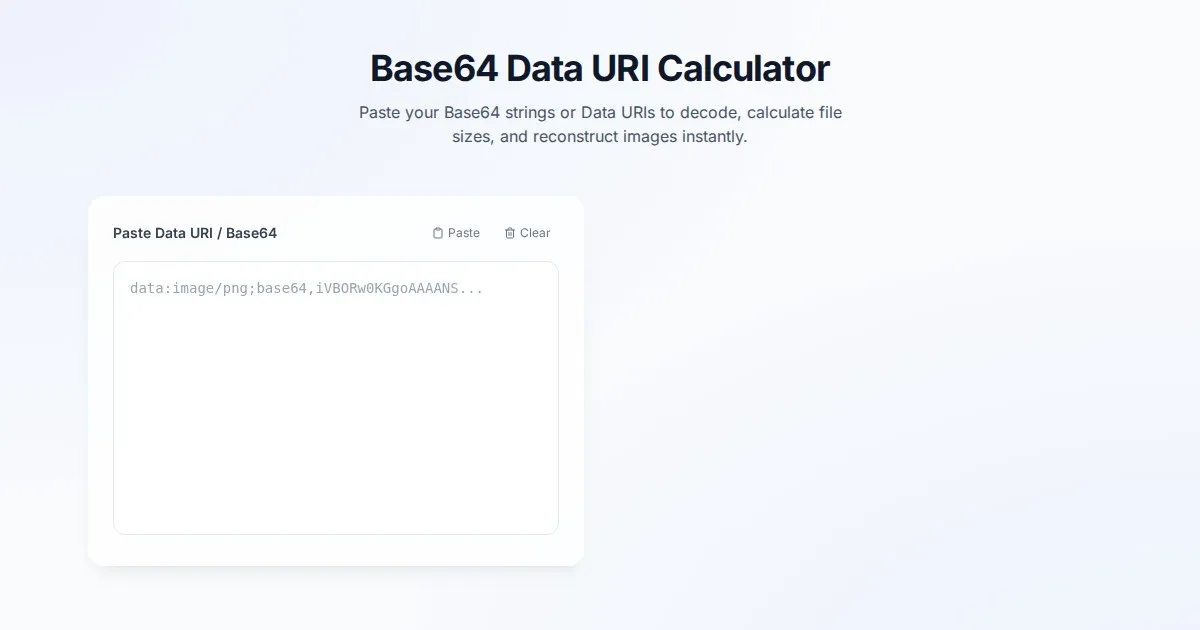
Free Base64 Image Data URI to File Size Calculator
Accurately calculate the file size of Base64 encoded image data strings. This free, web-based tool helps developers estimate binary file sizes for web apps.

Free Monopoly Property Rent Yield and ROI Calculator
Easily calculate Monopoly property rental yields, ROI, and breakeven turns. Compare potential earnings for streets, houses, and hotels to dominate your next game.
Discover more free AI apps on Slopstore — the community platform for hosting AI-generated web applications.