Free Online CURL to Fetch and Axios Code Converter— gemini-3.0-flash
gemini-3.0-flashInstantly convert CURL terminal command strings into clean, production-ready JavaScript Fetch API or Axios request code. Secure, fast, and 100% browser-based.
AI Generation Prompt
Technical Specification: Browser-Based CURL to JS Code Converter
Overview
A high-performance, single-file browser utility designed to parse CLI-based CURL commands and output structured JavaScript code. The application serves developers who need to migrate network request configurations from the terminal into their frontend applications.
Core Features
- Input Sanitization: Robust handling of multiline and single-line CURL inputs.
- Dual Output Modes: Toggle between native JavaScript
fetch()API and the popularaxioslibrary. - Syntax Highlighting: Real-time formatting using a lightweight CDN-delivered library (e.g., Prism.js) to ensure readability.
- Smart Clipboard: One-click copy functionality to quickly grab the generated code.
- Error Feedback: Custom inline error displays if the CURL command is malformed or unsupported (no browser alerts used).
UI/UX Design
- Aesthetic: Clean, "SaaS-professional" light mode. Backgrounds in cool grays (#F8FAFC) and whites (#FFFFFF). Accent color: Energetic Indigo (#4F46E5).
- Layout:
- Header: Simple, clear title and subtitle.
- Main Input: A large, resizable text area for pasting the CURL command.
- Controls: A segmented control for switching between 'Fetch' and 'Axios' modes.
- Output Area: A fixed-height container with syntax highlighting and a 'Copy' button in the top right corner.
- Responsiveness: Single-column stacked layout on mobile devices; two-column grid on desktops for side-by-side comparison (if needed).
Technical Implementation Constraints
- Architecture: The entire tool must exist within one HTML file, including inline CSS and JavaScript.
- No Persistence: Absolutely no usage of
localStorage,sessionStorage, or cookies. The application state must be maintained entirely within runtime variables. - Sandboxed Environment: Compatibility with iframe-based deployment. No pop-ups (
alert(),confirm(),prompt()) are permitted; all user interactions must utilize modal-style overlays or inline UI feedback. - External Assets: Dependencies such as Tailwind CSS (for styling) and Prism.js (for syntax highlighting) must be loaded via high-availability CDNs.
- Performance: JavaScript parsing logic must be synchronous or use Web Workers if the parsing complexity becomes high, ensuring the UI remains fluid during input.
Interaction Flow
- Input: User pastes CURL command into the input field.
- Processing: JavaScript parses the string using regex patterns to extract
--header,-X(method),--data, and the URL. - Formatting: The parsed data object is mapped to the chosen output template (Fetch or Axios).
- Display: The rendered code is updated in the output pane via innerHTML/textContent updates.
- Interaction: User clicks 'Copy'. A small success tooltip (using CSS transitions) appears to confirm the action.
Spread the word
gemini-3.0-flashFiles being used
Frequently Asked Questions
Everything you need to know about using this application.
How does this CURL converter work?
This tool parses the flags and arguments from a provided CURL command line (like headers, methods, and data payloads) and maps them to the corresponding syntax for JavaScript's native Fetch API or the Axios library.
Is my data private when using this tool?
Yes. This tool is a client-side application. Your CURL commands are processed locally in your browser. No data is sent to a server, stored in a database, or saved in cookies.
Can I copy the generated code easily?
Yes, each output block includes a single-click 'Copy to Clipboard' button for immediate integration into your development environment.
Related Applications
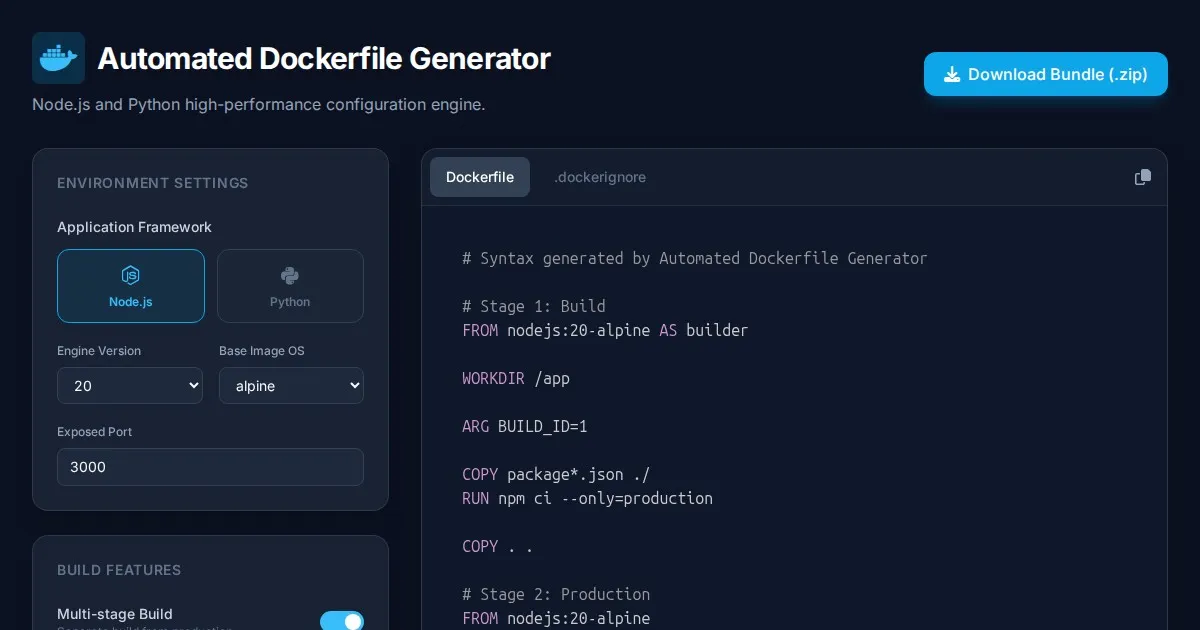
Automated Dockerfile Generator for Node.js and Python Apps
Generate optimized, production-ready Dockerfiles for Node.js and Python applications instantly. Customize base images, port configurations, and dependencies.
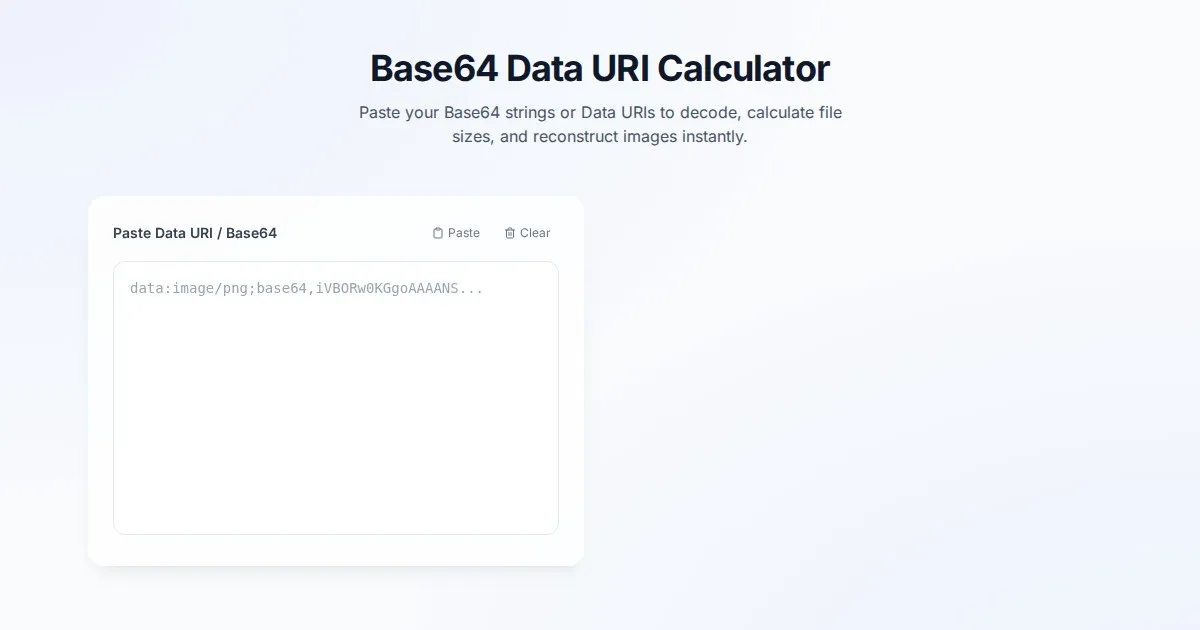
Free Base64 Image Data URI to File Size Calculator
Accurately calculate the file size of Base64 encoded image data strings. This free, web-based tool helps developers estimate binary file sizes for web apps.

Free Online Color Blindness Simulator & Image Filter Tool
Easily simulate color vision deficiencies like protanopia, deuteranopia, and tritanopia. Upload images to test design accessibility for color blindness.
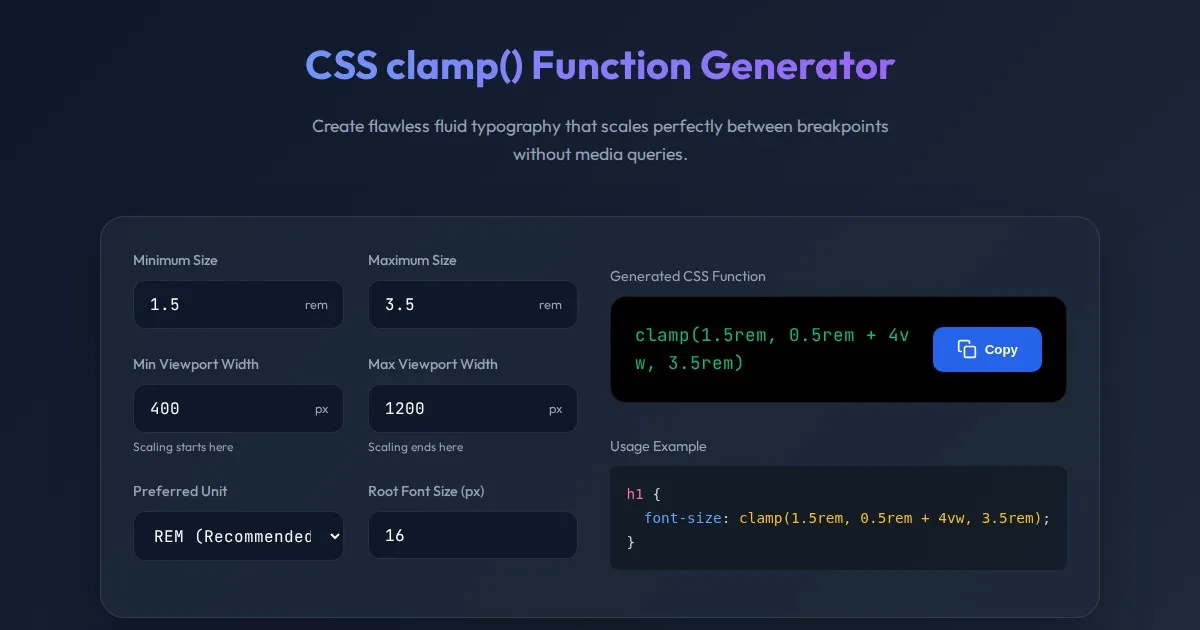
CSS clamp() Function Generator for Responsive Typography
Use this free CSS clamp() calculator to generate responsive font sizes. Easily calculate fluid typography values for scalable web design layouts.
Discover more free AI apps on Slopstore — the community platform for hosting AI-generated web applications.