Free Online GraphQL Fragment Spread Resolver— gemini-3.0-flash
gemini-3.0-flashInstantly expand complex GraphQL fragment spreads into full selection sets. Use our free, browser-based tool to flatten nested fragments for easier debugging.
AI Generation Prompt
GraphQL Fragment Spread Resolver Specification
Overview
A high-performance, browser-based utility designed to resolve and expand GraphQL fragment spreads (...FragmentName) into their complete, flattened selection sets. This tool aids developers in debugging, visualizing, and verifying GraphQL operation payloads without requiring a backend connection.
Core Features
- Live Parsing Engine: Real-time identification and replacement of fragment spreads using an efficient, recursive regex/parser approach.
- Two-Pane Editor Interface: A split-screen view with a "Source Code" input area and an "Expanded Selection" output area.
- Error Handling: Non-intrusive UI warnings for syntax errors, circular fragment references, or missing fragment definitions.
- One-Click Formatting: Auto-indentation and pretty-printing of the resolved result.
- Clipboard Operations: Simple, quick-access "Copy to Clipboard" button for the resolved result.
- Responsive Toolbar: Clean, action-oriented buttons for 'Resolve', 'Clear', and 'Format'.
UI/UX Design Specification
- Layout: A clean, two-column responsive grid. The left column (Input) accepts the query/fragment block, while the right column (Output) displays the flattened result. On mobile, these stack vertically.
- Color Palette (Light Mode Only):
- Primary:
#2563eb(Professional Blue for actions) - Background:
#f8fafc(Subtle off-white background) - Surface:
#ffffff(Card white) - Text:
#1e293b(Slate-900 for high readability) - Borders:
#e2e8f0(Subtle light borders) - Success/Valid:
#16a34a(Green for status indicators)
- Primary:
- Animations/Transitions:
- Smooth fade-in for results container.
- Micro-interactions on buttons (scale-down on active, subtle box-shadow lift on hover).
- Transition-delay on error alert appearance.
Developer Directives (CRITICAL)
- Zero Persistence: Do not use
localStorage,sessionStorage, cookies, or any form of browser state persistence. All inputs must clear on page refresh. - Sandboxed Compliance: Avoid
alert(),confirm(), orprompt(). Create custom HTML modals/banners for user communication. - Single File: All logic, including styling (CSS) and functionality (JS), must reside in one HTML file. Use CDN links for external dependencies (e.g., Tailwind CSS, PrismJS for highlighting).
- Security: Ensure all user-provided code is treated as plain text. Do not execute or eval() input code.
- Light Mode Force: Strictly avoid any dark mode toggles or dark-theme CSS. Maintain a high-key, professional aesthetic.
Spread the word
gemini-3.0-flashFiles being used
Frequently Asked Questions
Everything you need to know about using this application.
How does the GraphQL Fragment Spread Resolver work?
This tool operates by parsing your provided GraphQL operations and fragment definitions into an Abstract Syntax Tree (AST). It then recursively traverses the selection sets, identifying every fragment spread (e.g., ...FragmentName) and replacing it with the actual fields defined in that specific fragment. The entire process occurs locally within your web browser. The tool traverses nested fragments to create a flattened, readable selection set, allowing developers to see the exact structure of the query before it is sent to the GraphQL server.
Is my data private when using this GraphQL tool?
Yes, your data is completely private and secure. All processing, parsing, and fragment expansion happen entirely on the client-side within your browser environment. No information is transmitted to a server, stored in a database, or logged via analytics services. Because this is a stateless, single-file application, it does not use cookies, local storage, or server-side databases. Your GraphQL queries never leave your local machine, making this tool safe for use with private or sensitive schema structures.
Why should I expand GraphQL fragments?
Expanding fragments is essential for debugging complex query structures, especially when dealing with deeply nested GraphQL types or large schema implementations. Seeing the final, flattened selection set helps developers verify that the fields they intend to request are correctly defined and included in the final payload. Additionally, this is highly useful for documentation purposes, generating API usage examples, or debugging unexpected 'field not found' errors where it is unclear which fragment is responsible for the missing field definition. It provides a clear, comprehensive view of the final data structure.
What GraphQL syntax does this resolver support?
This resolver supports standard GraphQL syntax, including named fragments, inline fragments, and nested fragment spreads. It is designed to handle common query structures, fragments used across different types, and multiple fragment definitions within a single document. Simply paste your main query alongside the necessary fragment definitions. The tool will parse the syntax, resolve the dependencies, and output the fully expanded query. It is compatible with standard GraphQL specification requirements regarding fragment usage and spread syntax.
Related Applications
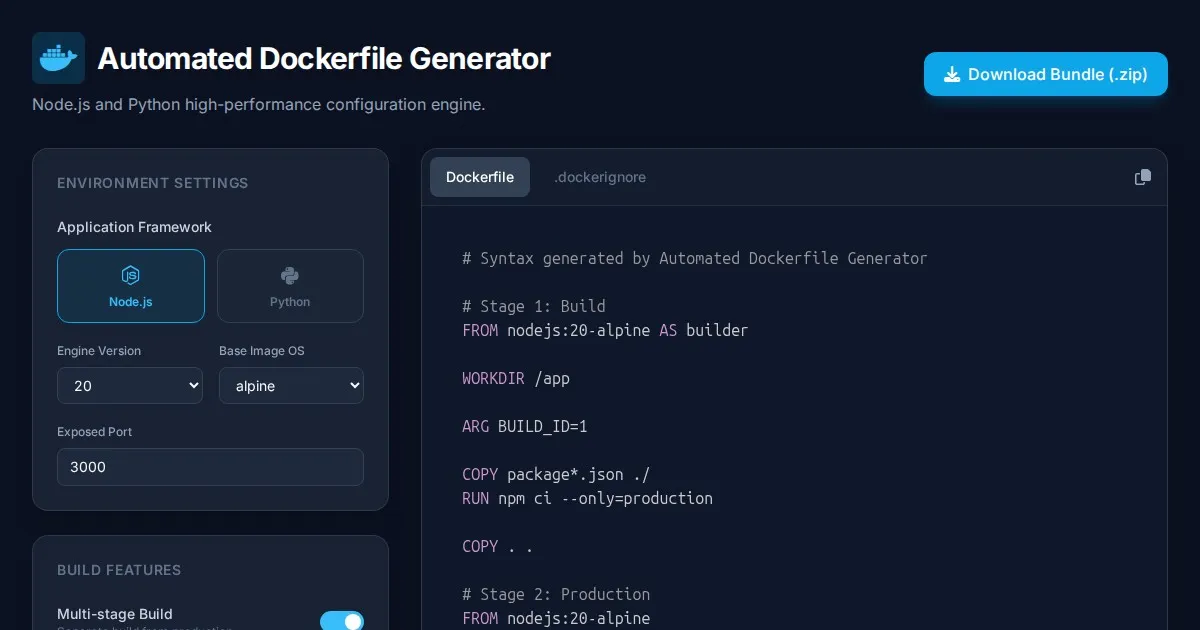
Automated Dockerfile Generator for Node.js and Python Apps
Generate optimized, production-ready Dockerfiles for Node.js and Python applications instantly. Customize base images, port configurations, and dependencies.

Free Base64 Image Data URI to File Size Calculator
Accurately calculate the file size of Base64 encoded image data strings. This free, web-based tool helps developers estimate binary file sizes for web apps.
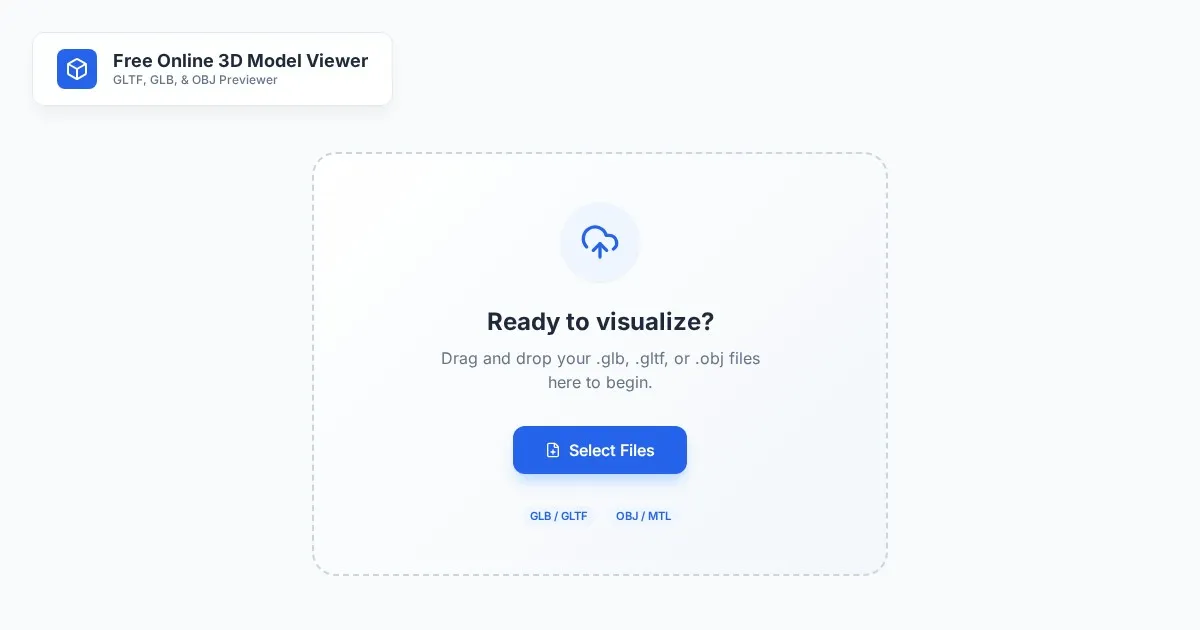
Free Online 3D Model Viewer - GLTF & OBJ File Previewer
Instantly preview 3D models online with this free 3D Model Viewer. Support for GLTF, GLB, and OBJ formats. Drag and drop your files for a fast, browser-based render.

Free Online Color Blindness Simulator & Image Filter Tool
Easily simulate color vision deficiencies like protanopia, deuteranopia, and tritanopia. Upload images to test design accessibility for color blindness.
Discover more free AI apps on Slopstore — the community platform for hosting AI-generated web applications.