Free Online Halftone CMYK Image Separator & Processor— gemini-3.0-flash
gemini-3.0-flashConvert images to professional CMYK halftone patterns with our free browser-based processor. Generate individual Cyan, Magenta, Yellow, and Black separation plates.
AI Generation Prompt
Technical Specification: Free Halftone CMYK Separation Processor
Overview
This single-file application provides a professional-grade, browser-based utility for converting standard images into CMYK halftone separations. Using the HTML5 Canvas API and the Fabric.js library, the tool performs real-time image processing entirely on the client side.
Core Features
- Image Upload: Drag-and-drop or file selector input with immediate canvas rendering.
- CMYK Separation: Real-time conversion of RGB inputs to the CMYK color space.
- Customizable Halftone Parameters:
- Dot Size: Slider to control the coarseness of the halftone grid.
- Dot Angle: Independent control for each color channel to prevent moiré patterns.
- Screen Frequency: Control the density of the halftone dots.
- Channel Toggling: View composite (preview) or isolate individual C, M, Y, or K channels.
- Download Capabilities: Export the full composite or download specific channel separations as high-resolution PNG files.
UI Layout
- Header: A clean, professional top bar with a tool title and help link.
- Main Tool Area (Grid Layout):
- Left Sidebar: A settings panel containing sliders and configuration inputs for channel adjustments, styled with a light-gray background (#F9FAFB) and subtle shadows.
- Center Canvas Area: A prominent, responsive display area showing the real-time processed output.
- Right Sidebar (Actions): Export options and download buttons for processed plates.
Visual Aesthetics & Interaction
- Design Language: Modern SaaS aesthetic. Use a clean, light-mode-only palette: White backgrounds (#FFFFFF), slate grays (#64748B) for text, and a vibrant primary action blue (#2563EB).
- Transitions: Smooth CSS transitions for all button hover states, slider movements, and canvas updates.
- Feedback: Use custom, non-blocking UI overlays for "Processing..." states to ensure the user knows an operation is occurring.
Technical Implementation Directives
- Architecture: Everything must be contained in a single HTML file.
- Sandboxing Compliance:
- NO
localStorage,sessionStorage, orcookies. All state must be managed via JavaScript object variables (e.g.,let appState = { ... }). - NO native browser
alert()orconfirm()modals. Build a custom<div>-based modal system.
- NO
- External Dependencies: Link only official CDNs for
Fabric.js,Tailwind CSS, and common icon sets (e.g., Lucide Icons). - Responsiveness: Ensure the Canvas element scales to fit the container width, and the UI stacks vertically on screens smaller than 768px.
- Security: No external tracking or data transmission. All logic occurs within the client's memory.
- Performance: Utilize
requestAnimationFramefor smooth UI updates when sliders are dragged, and implement a debounced render function for the heavy image processing tasks to prevent UI locking.
Spread the word
gemini-3.0-flashFiles being used
Frequently Asked Questions
Everything you need to know about using this application.
How does the CMYK halftone process work in this tool?
The tool processes your uploaded image by converting RGB color data into the CMYK (Cyan, Magenta, Yellow, Key/Black) color space. It then applies a mathematical halftone grid to each channel, calculating the density of color at each coordinate to generate dots of varying sizes. This mimics the traditional screen printing and offset lithography processes. This browser-based approach ensures that you get an accurate representation of how an image will appear when printed. By adjusting the screen frequency and angle for each channel, you can preview potential moiré patterns and density issues before sending files to a professional print house.
Can I download individual CMYK channels separately?
Yes, the application includes an export functionality specifically designed for professional workflows. After processing your image, you can choose to download each channel—Cyan, Magenta, Yellow, and Black—as an individual grayscale image file. This feature is essential for artists and prepress technicians who need to create individual film positives or plates for screen printing. Each download is generated in high resolution based on your original input, ensuring zero quality loss during the export process.
Is my image data uploaded to a server for processing?
Absolutely not. This tool is built to be 100% client-side, meaning your images are processed locally within your own browser environment using Canvas APIs. No files are ever uploaded to an external server, ensuring your data remains private and secure throughout the entire workflow. Because all calculations happen within the memory of your browser tab, the tool works instantly regardless of your internet connection status. You can safely process sensitive designs without worrying about third-party storage or data logging.
What is the primary benefit of using CMYK halftone effects?
The primary benefit is technical precision for print preparation. Many modern digital images are optimized for screen (RGB), which can lead to color shift and unexpected results when printed. Converting to CMYK halftone allows you to visualize how those colors behave under physical ink limitations. Furthermore, it adds a distinct aesthetic quality often associated with pop art, comic book styles, and vintage print media. It serves both as a utility for print production and a creative tool for designers looking to achieve a tactile, analog look in their digital artwork.
Related Applications
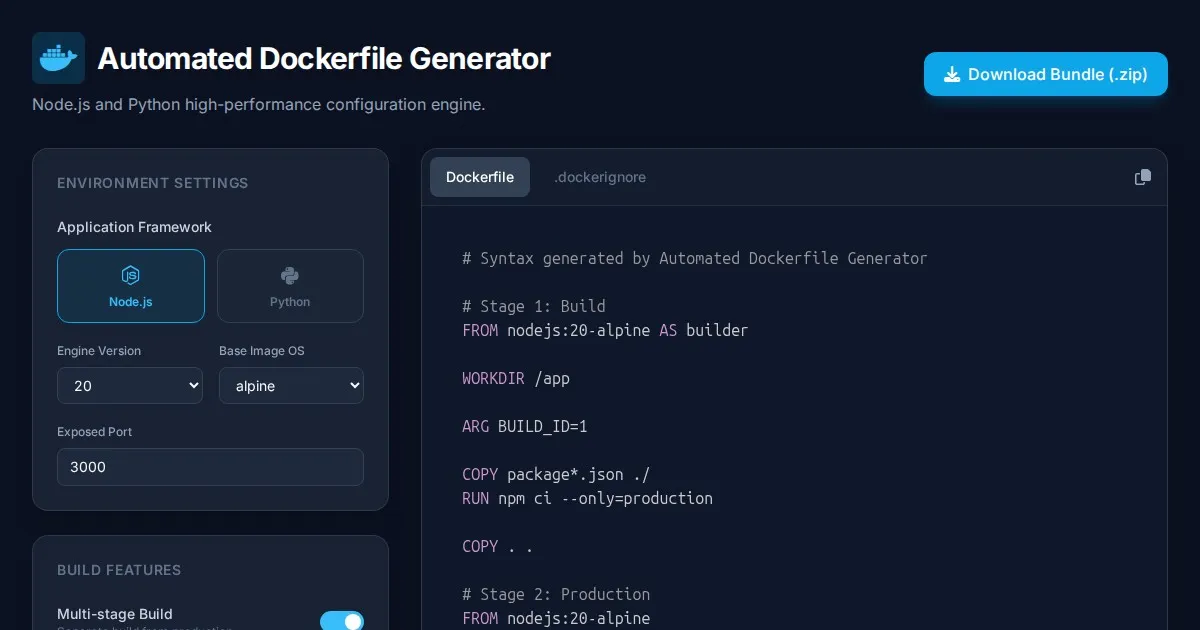
Automated Dockerfile Generator for Node.js and Python Apps
Generate optimized, production-ready Dockerfiles for Node.js and Python applications instantly. Customize base images, port configurations, and dependencies.
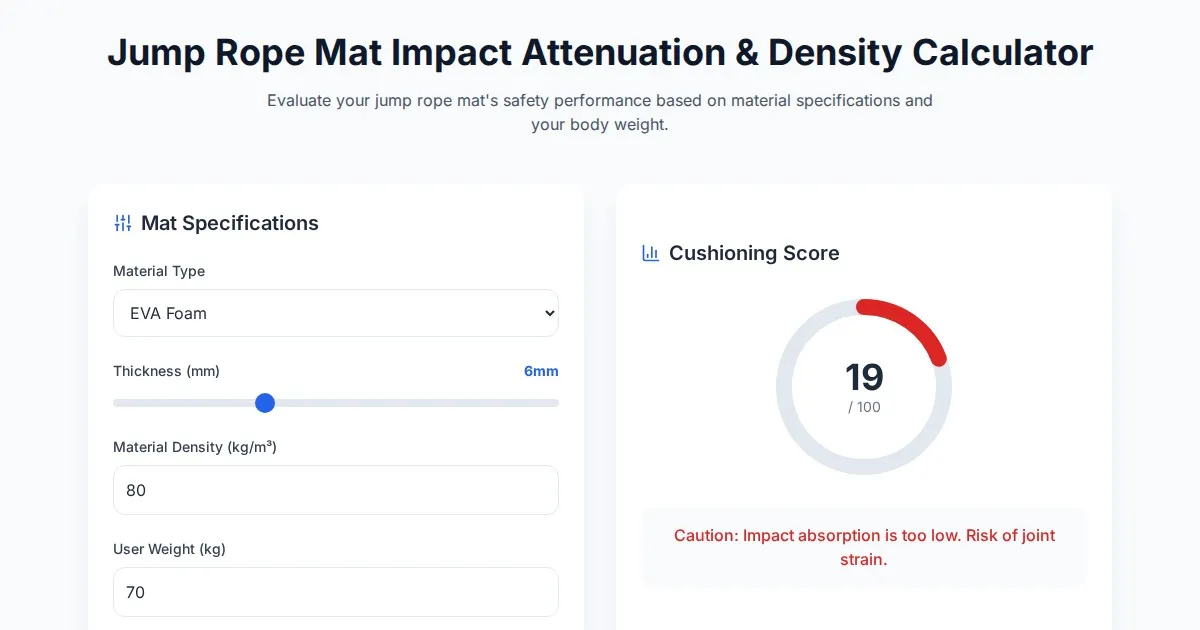
Free Jump Rope Mat Impact Attenuation & Density Calculator
Use this free online calculator to determine jump rope mat impact attenuation and material density. Safely assess if your workout flooring protects your joints.
Free Base64 Image Data URI to File Size Calculator
Accurately calculate the file size of Base64 encoded image data strings. This free, web-based tool helps developers estimate binary file sizes for web apps.
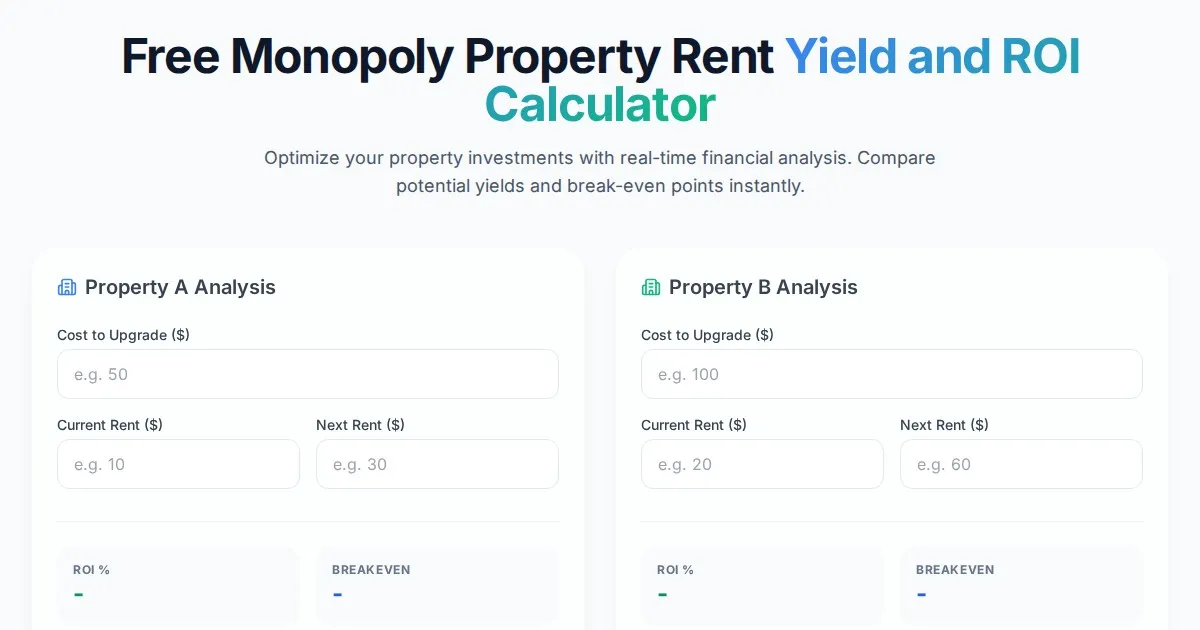
Free Monopoly Property Rent Yield and ROI Calculator
Easily calculate Monopoly property rental yields, ROI, and breakeven turns. Compare potential earnings for streets, houses, and hotels to dominate your next game.
Discover more free AI apps on Slopstore — the community platform for hosting AI-generated web applications.