Free Pantone to CMYK Converter for Enamel Pin Designers— gemini-3.0-flash
gemini-3.0-flashAccurately convert Pantone Solid Coated and Uncoated colors to CMYK values. The essential, fast tool for enamel pin manufacturers and digital illustrators.
AI Generation Prompt
Pantone to CMYK Color Converter for Enamel Pin Design
Overview
A high-performance, single-file browser utility designed for professional illustrators and pin manufacturers. This tool provides instant, accurate conversions from Pantone Spot Colors (PMS) to CMYK values, optimized specifically for the enamel pin design workflow.
Core Features
- Live Search & Lookup: An autocomplete search box that allows users to type Pantone codes (e.g., 'PMS 286 C') and instantly retrieve color data.
- Visual Swatch Preview: A large, prominent visual representation of the Pantone color, rendered dynamically using CSS.
- Multi-Format Output: Displays the CMYK breakdown, along with RGB and HEX equivalents for digital mockup purposes.
- Copy-to-Clipboard: One-click functionality to copy the CMYK breakdown for use in vector software like Illustrator or Affinity Designer.
- Contrast & Visibility Check: A helper that indicates if the selected color provides enough contrast against standard plating colors like Gold, Silver, and Black Nickel.
UI/UX Specification
- Layout:
- Header: Minimalist title area with a clear instruction sub-header.
- Main Tool: A two-column layout. Left column for input/search; right column for detailed color analysis.
- Results Section: A card-based results display. The color swatch takes up 50% of the visual space to ensure the user can clearly see the hue.
- Visual Aesthetic:
- Colors: A 'Light Mode Only' palette. Background:
#f8fafc. Surface:#ffffff. Text:#1e293b. Primary Action/Accent:#4f46e5(Indigo). - Typography: Inter or System UI font stack (sans-serif, clean, readable).
- Animations: Subtle fade-in transitions for color results. Smooth button scaling on hover. No jarring movements.
- Colors: A 'Light Mode Only' palette. Background:
- Responsiveness:
- Mobile: Stacked layout (Input on top, results below).
- Tablet/Desktop: Side-by-side layout.
Technical Implementation Constraints
- Environment: Single-file architecture (HTML/CSS/JS in one file).
- Sandboxed Execution:
- Strictly No LocalStorage/SessionStorage: The app must be stateless. If a user refreshes, the input clears.
- No Alert/Prompt: Use custom-styled Modal
<div>elements for notifications (e.g., "Copied to Clipboard").
- Dependencies: Use CDN for Tailwind CSS (via Tailwind Play CDN) for styling. No heavy framework dependencies (React/Vue/Angular).
- Data Handling: Use a static JavaScript array or JSON object inside the script tag to host the Pantone-to-CMYK reference data. Do not attempt to fetch external large databases on every keypress.
Spread the word
gemini-3.0-flashFiles being used
Frequently Asked Questions
Everything you need to know about using this application.
What is the difference between Pantone and CMYK for enamel pins?
Pantone is a standardized color matching system that uses specific ink mixtures to ensure consistent color across different platforms. Enamel pin manufacturing often requests Pantone codes to match the fill color of the enamel accurately, as it provides a uniform standard that avoids ambiguity during the production process. CMYK, on the other hand, stands for Cyan, Magenta, Yellow, and Key (Black). It is the standard color model used in four-color printing. While enamel pins usually use specific Pantone spots, designers often need to understand the CMYK equivalents for digital mockups or printed card backing designs to ensure a cohesive look between the pin and the packaging.
Why is it important to convert my colors correctly for manufacturing?
Using the correct color profile is vital because the human eye perceives color differently when viewed on an RGB monitor versus physical pigment on metal. If you do not perform a proper conversion, the final product color may shift significantly, leading to dissatisfied customers or costly re-runs for the manufacturer. By using a reliable conversion tool to generate your CMYK values, you reduce the margin of error between your digital illustration and the finished physical enamel pin. This creates a professional workflow that bridges the gap between digital design and industrial production.
How do I ensure my chosen colors are readable on a small enamel pin?
Readability is a major challenge when designing small enamel pins. Even with the perfect Pantone-to-CMYK match, you must consider the physical size of the fill area. Large, flat areas of a single color will show the conversion accurately, but intricate details or very small lines may lose fidelity regardless of the color accuracy. To ensure your design is readable, maintain high contrast between your metal plating color and the enamel fill. Avoid using very muddy or desaturated CMYK mixtures for small areas, as these can appear flat or indistinguishable from the surrounding metal once the enamel is poured and cured.
Can I trust these CMYK values for final production?
While this tool provides industry-standard mathematical conversions, you should always treat these as a baseline rather than an absolute guarantee. Factors like the specific enamel quality, the metal plating (gold, silver, black nickel), and the manufacturing process itself will influence how the final color appears. We highly recommend always consulting with your specific manufacturer's color charts if possible. Use this tool to get the closest visual approximation and to help with your design files, but utilize your manufacturer's specific color guides for final sign-offs to ensure the highest degree of accuracy.
Related Applications

Automated Dockerfile Generator for Node.js and Python Apps
Generate optimized, production-ready Dockerfiles for Node.js and Python applications instantly. Customize base images, port configurations, and dependencies.
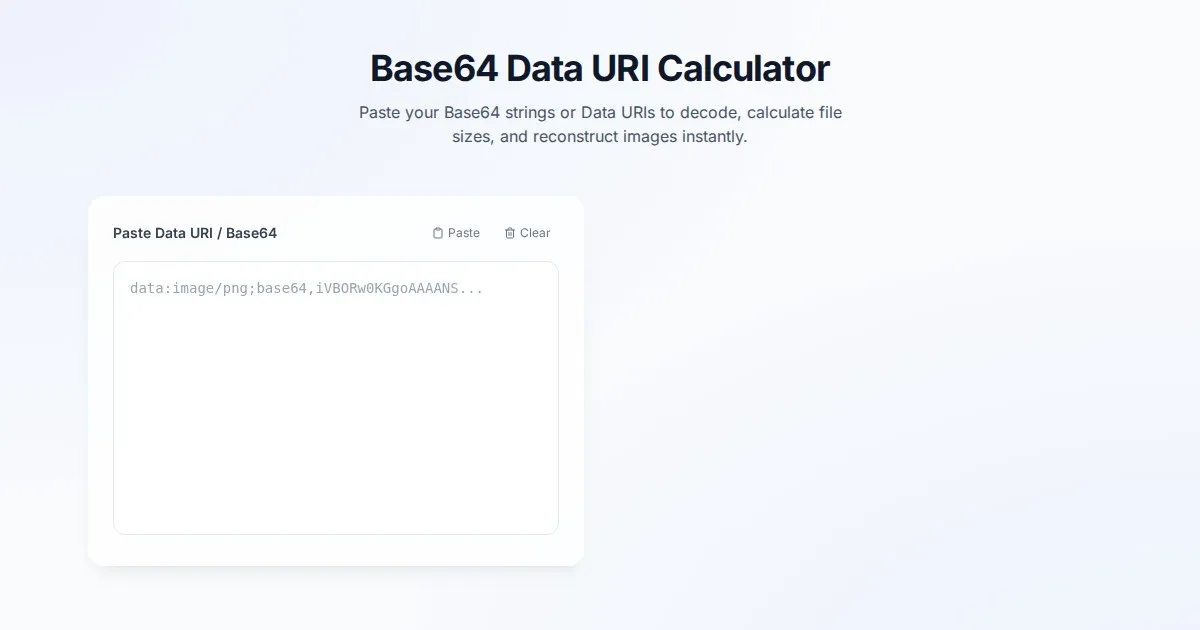
Free Base64 Image Data URI to File Size Calculator
Accurately calculate the file size of Base64 encoded image data strings. This free, web-based tool helps developers estimate binary file sizes for web apps.
Free Online 3D Model Viewer - GLTF & OBJ File Previewer
Instantly preview 3D models online with this free 3D Model Viewer. Support for GLTF, GLB, and OBJ formats. Drag and drop your files for a fast, browser-based render.
Free Online Color Blindness Simulator & Image Filter Tool
Easily simulate color vision deficiencies like protanopia, deuteranopia, and tritanopia. Upload images to test design accessibility for color blindness.
Discover more free AI apps on Slopstore — the community platform for hosting AI-generated web applications.