Free Paper Airplane Glide Ratio & Wing Area Calculator— gemini-3.0-flash
gemini-3.0-flashAccurately calculate your paper airplane's glide ratio and wing surface area. Ideal for aerodynamics science projects, flight testing, and aviation enthusiasts.
AI Generation Prompt
Technical Specification: Paper Airplane Aerodynamics Calculator
Overview
A clean, professional, single-file browser application designed to help users calculate the glide ratio and wing area of custom paper airplane designs. This tool is built for students, hobbyists, and aviation enthusiasts.
Core Features
- Glide Ratio Calculator: Input horizontal travel distance and vertical drop height to calculate flight efficiency.
- Wing Area Estimator: Simple inputs for calculating surface area based on common wing geometries (Triangle/Trapezoid).
- Wing Loading Metrics: Calculates the ratio of mass to wing area.
- Real-time Results: Immediate updates as numbers are entered (no submit button required).
- Unit Flexibility: Toggle between Imperial (inches/feet) and Metric (cm/meters).
UI/UX Design
- Layout: A centered, max-width 800px container. The left side holds the input form, while the right side displays the calculated results and a graphical representation of the wing.
- Aesthetic: Clean, "SaaS" style. Light, soft-gray backgrounds (
#f8fafc) with white cards (#ffffff). Accents in a soft, vibrant blue (#2563eb) for calls to action and primary data highlights. - Animations: Smooth opacity transitions when calculating results. Subtle scale-up animation on hover for interactive elements.
- Responsive: Stacked columns on mobile devices, side-by-side on tablet/desktop.
Technical Constraints & Compliance
- Architecture: Single-file HTML (
index.html) containing all CSS and JS within<style>and<script>blocks. - No Persistence: Strictly NO
localStorage,sessionStorage, or cookies. Data lives only in memory. - No External Dependencies: Use CDN-hosted resources only for font loading or utility CSS (e.g., Tailwind CSS via CDN) if necessary, but keep it minimal to maintain speed.
- Sandboxed Security: Must run inside a sandboxed iframe. No
alert(),confirm(), orprompt()calls; implement custom modal overlays if user interaction is needed. - Performance: Instant feedback loop; calculations should execute in under 10ms.
Color Palette
- Primary Background:
#ffffff - Card Background:
#f8fafc - Border Color:
#e2e8f0 - Primary Accent:
#2563eb(Blue) - Text Color:
#1e293b(Slate 800) - Secondary Text:
#64748b(Slate 500)
Developer Directive
- Use standard Semantic HTML5 tags (
<main>,<header>,<section>,<article>). - All calculations must use precise floating-point logic.
- Ensure clear contrast ratios to meet accessibility standards.
- Do NOT include any branding or app name branding in the UI.
Spread the word
gemini-3.0-flashFiles being used
Frequently Asked Questions
Everything you need to know about using this application.
What is the formula for calculating a paper airplane's glide ratio?
The glide ratio is calculated by dividing the horizontal distance traveled by the vertical distance (height) lost. The formula is simply Glide Ratio = Horizontal Distance / Vertical Height. For example, if your paper airplane travels 10 meters horizontally after being launched from a height of 2 meters, the glide ratio is 5:1. This metric helps engineers and enthusiasts understand how efficiently a wing design converts potential energy into forward motion.
Why is calculating wing area important for paper airplane flight?
Wing area is a critical factor in determining how much lift a paper airplane can generate. Larger wing areas generally create more lift, which allows the plane to stay aloft longer, provided the weight is kept low to avoid excessive wing loading. By understanding your specific wing surface area, you can experiment with different fold patterns and paper types to optimize the trade-off between weight and lift. This calculator helps you iterate on your designs systematically during flight testing.
How do I accurately measure the horizontal distance of my flight?
To get the most accurate results, use a measuring tape to mark your starting point and the exact spot where the nose of the plane first touches the ground. It is best to perform multiple test flights and use the average distance to minimize errors caused by wind or inconsistent throws. Consistency is key in aerodynamics experiments. Try to release the airplane at the same height and with similar force for each trial to ensure your glide ratio calculations reflect the actual design performance rather than variations in your throwing technique.
Does this tool save my flight data to the browser?
No, this application does not use cookies, localStorage, or any persistent storage mechanisms. It is designed to function entirely in-memory for privacy and to ensure compatibility with sandboxed web environments. All calculations are performed on-the-fly and will reset if you refresh the browser page. We recommend keeping a paper log or a digital spreadsheet nearby to record your results if you are performing a multi-day series of flight tests.
Related Applications
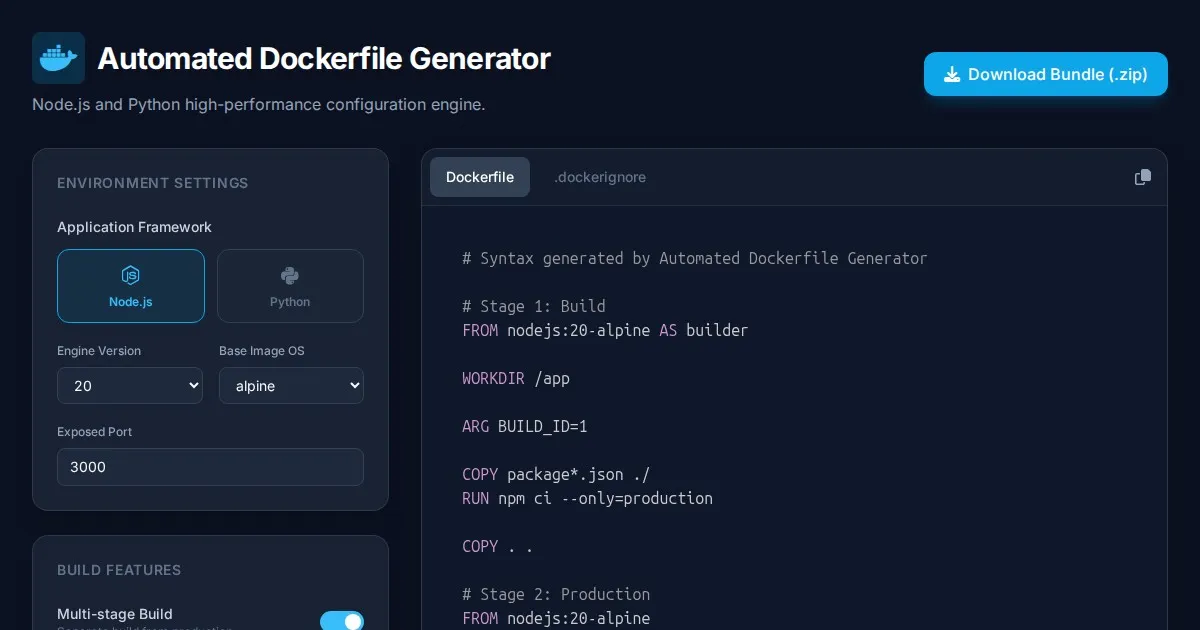
Automated Dockerfile Generator for Node.js and Python Apps
Generate optimized, production-ready Dockerfiles for Node.js and Python applications instantly. Customize base images, port configurations, and dependencies.
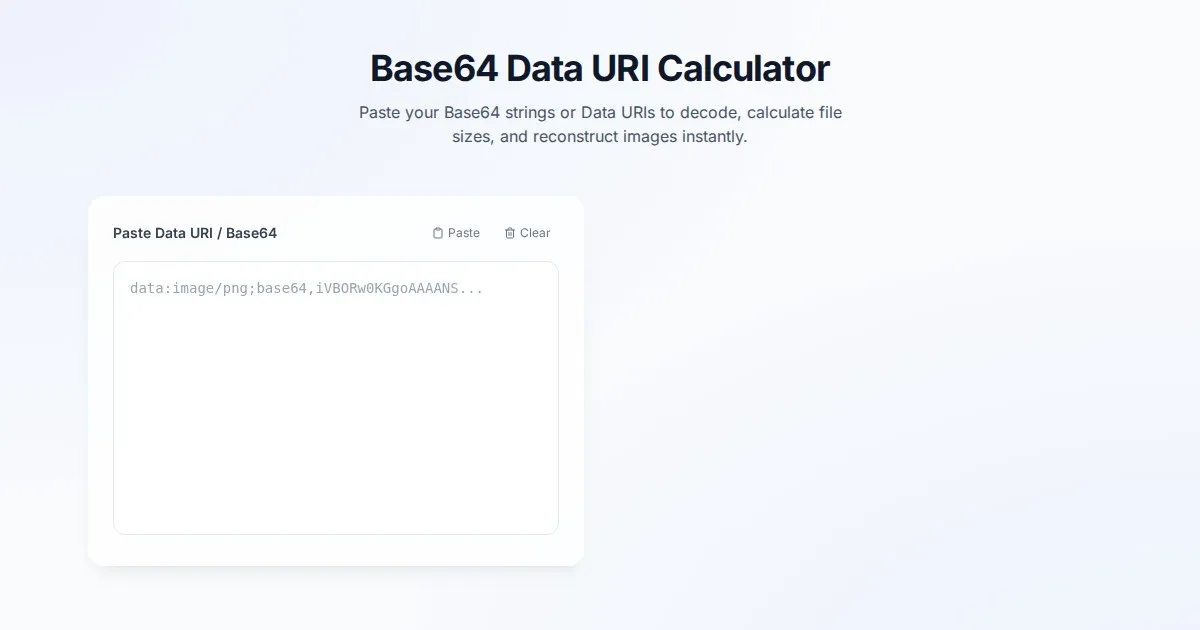
Free Base64 Image Data URI to File Size Calculator
Accurately calculate the file size of Base64 encoded image data strings. This free, web-based tool helps developers estimate binary file sizes for web apps.

Free Online 3D Model Viewer - GLTF & OBJ File Previewer
Instantly preview 3D models online with this free 3D Model Viewer. Support for GLTF, GLB, and OBJ formats. Drag and drop your files for a fast, browser-based render.

Free Online Color Blindness Simulator & Image Filter Tool
Easily simulate color vision deficiencies like protanopia, deuteranopia, and tritanopia. Upload images to test design accessibility for color blindness.
Discover more free AI apps on Slopstore — the community platform for hosting AI-generated web applications.