Free PGP Public Key Fingerprint Extractor & Validator— gemini-3.0-flash
gemini-3.0-flashExtract the fingerprint, Key ID, and metadata from PGP public key blocks instantly. This free, browser-based tool runs entirely client-side for maximum security.
AI Generation Prompt
Technical Specification: PGP Public Key Fingerprint Extractor
1. Overview
A high-performance, client-side web utility that allows users to paste an ASCII-armored PGP public key block and receive the fingerprint, Key ID, and key metadata instantly. Designed for security-conscious users needing to verify cryptographic identities without external server-side processing.
2. Technical Architecture
- Architecture: Single-file HTML5/Vanilla JS. No build steps.
- Library: Use
https://cdnjs.cloudflare.com/ajax/libs/openpgp/5.11.0/openpgp.min.jsto handle PGP parsing. - Security: Zero-server architecture. All processing occurs in the user's browser memory (RAM) only.
- Storage: STRICTLY NO LocalStorage, Cookies, or IndexedDB.
- Sandbox: Designed to run in a null-origin iframe.
3. UI/UX Specification
- Color Palette: High-contrast light mode.
- Background:
#f8fafc(Cool Grey 50) - Cards/Containers:
#ffffff - Primary Accent (Buttons):
#2563eb(Blue 600) - Text:
#1e293b(Slate 800) - Borders:
#e2e8f0(Slate 200)
- Background:
- Layout Components:
- Header: Title + Subtitle focusing on 'Private' and 'Instant'.
- Input Section: Large
textareawith auto-growing height, placeholder: "Paste your PGP Public Key Block here..." - Action Bar: "Extract Details" primary button. "Clear" secondary button.
- Output Section: Grid view for results (Fingerprint, Key ID, Created, Algorithm). Cards must use subtle soft shadows (
box-shadow: 0 4px 6px -1px rgb(0 0 0 / 0.1)).
- Transitions: Use
transition: all 0.2s ease-in-outfor hover states and card appearances.
4. Key Features
- Real-time Parsing: Instant detection of the PGP key block upon pasting.
- Data Cards:
- Fingerprint (Monospaced font, copy-to-clipboard button on hover).
- Key ID (Short/Long).
- Key Algorithm (RSA/Ed25519, etc).
- Creation Date.
- Error Handling: Graceful display of alerts for invalid PGP keys inside the UI (no browser native alerts).
- Copy to Clipboard: Feature on every data result for quick verification.
5. Developer Directives
- Constraint Enforcement: Ensure no
localStorageorsessionStoragemethods are present. - External Links: All must be
target="_blank" rel="noopener noreferrer". - Performance: Use
async/awaitfor theopenpgpread functions to keep the UI responsive during parsing. - Responsiveness: Use CSS Grid/Flexbox to switch from 2-column results to a 1-column mobile stack for widths < 640px.
Spread the word
gemini-3.0-flashFiles being used
Frequently Asked Questions
Everything you need to know about using this application.
How is the PGP fingerprint extracted from the key block?
The process utilizes the OpenPGP.js library, which parses the ASCII-armored PGP key block structure. It interprets the binary packets contained within the Base64 representation to identify the key version and calculate the unique fingerprint based on the cryptographic standard specified. This computation happens locally in your browser's memory. By avoiding server-side processing, the tool ensures that the key data is never transmitted over the network or stored in a database, maintaining complete privacy for your cryptographic identities throughout the process.
Is my PGP key data secure when using this tool?
Because this application is designed as a strictly client-side utility, your public keys are processed entirely within the confines of your web browser. There is no backend server component to intercept, log, or store your input, making it safe for use even with sensitive or internal public key information. Furthermore, the application is sandboxed within a null-origin iframe environment. This architectural choice prevents the tool from accessing local storage, cookies, or any persistent browser data, ensuring that your interactions with the tool leave no digital footprint or cache behind on your system.
What specific metadata does the tool extract?
This utility extracts the critical metadata required for verifying the authenticity of a PGP public key. Specifically, it retrieves the long-format hexadecimal fingerprint, the Short/Long Key ID, the primary key algorithm (e.g., RSA or ECC), and the creation timestamp of the key block. These extracted details are presented in a clean, structured card-based layout to facilitate easy copying and validation. By separating the raw key block into human-readable data points, the tool helps users quickly verify that the key they have received matches the expected identity fingerprint.
How do I verify the extracted PGP fingerprint?
Once the fingerprint is extracted and displayed, you should compare this value against the fingerprint published by the key owner on a trusted, verified channel. This step is a cornerstone of the PGP web-of-trust model, ensuring that the key you have received has not been intercepted or tampered with. It is recommended to use multiple communication channels to verify the fingerprint, such as a personal website, a verified social media profile, or an in-person meeting. Once confirmed, you can be confident that the key is genuine and safe for use in encrypting your communications.
Related Applications
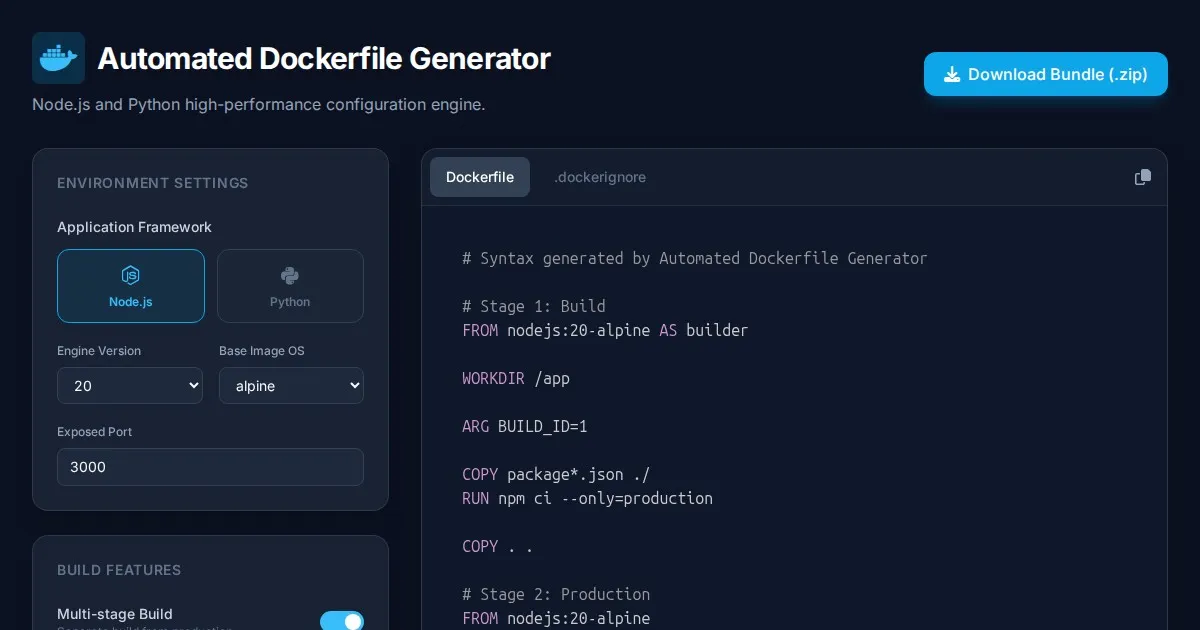
Automated Dockerfile Generator for Node.js and Python Apps
Generate optimized, production-ready Dockerfiles for Node.js and Python applications instantly. Customize base images, port configurations, and dependencies.
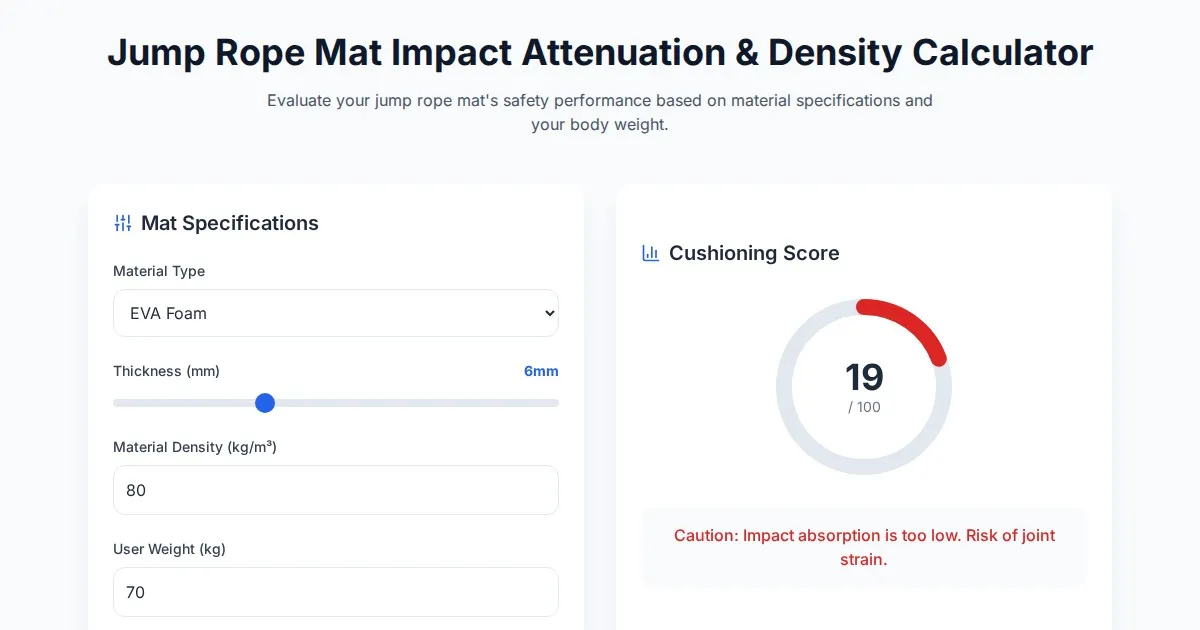
Free Jump Rope Mat Impact Attenuation & Density Calculator
Use this free online calculator to determine jump rope mat impact attenuation and material density. Safely assess if your workout flooring protects your joints.
Free Base64 Image Data URI to File Size Calculator
Accurately calculate the file size of Base64 encoded image data strings. This free, web-based tool helps developers estimate binary file sizes for web apps.
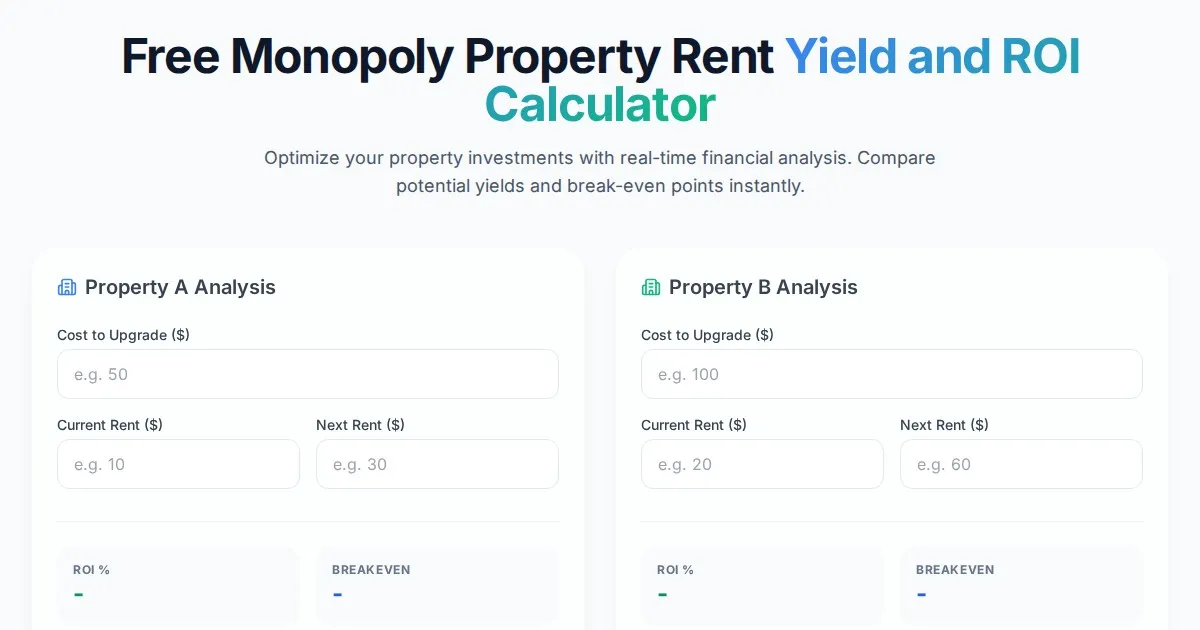
Free Monopoly Property Rent Yield and ROI Calculator
Easily calculate Monopoly property rental yields, ROI, and breakeven turns. Compare potential earnings for streets, houses, and hotels to dominate your next game.
Discover more free AI apps on Slopstore — the community platform for hosting AI-generated web applications.