Free Pinhole Camera Aperture and Diameter Calculator— gemini-3.0-flash
gemini-3.0-flashAccurately calculate the optimal pinhole diameter and aperture for custom film cameras. Free, browser-based tool for photographers and DIY camera builders.
AI Generation Prompt
Pinhole Camera Physics Calculator
Overview
A precise, web-based utility for film photographers and experimental camera builders. This application calculates the optimal pinhole diameter based on a user-defined focal length (film-to-pinhole distance) to achieve the sharpest possible image. It bridges the gap between complex optical physics and practical DIY camera construction.
Core Features
- Live Calculation Engine: Real-time updating of pinhole diameter (mm) and f-stop based on input focal length.
- Unit Flexibility: Toggle between millimeters (mm) and inches (in) for input values.
- Aperture & Exposure Guidance: Displays the calculated f-number, enabling users to estimate exposure times more accurately.
- Comparison Table: A generated reference chart showing optimal pinhole sizes for standard focal lengths (e.g., 25mm, 50mm, 75mm, 100mm).
- Educational Tips: Integrated micro-copy explaining the impact of diffraction and how focal length affects the angle of view.
UI Layout
- Header: Clean, minimalist title "Pinhole Camera Aperture Calculator" with a brief tag line.
- Input Section: A clean card-based layout featuring a large, focus-heavy input field for "Focal Length" with an intuitive dropdown or toggle for units.
- Result Dashboard: A high-impact display section featuring the calculated "Optimal Pinhole Diameter" (in bold) and the corresponding "Aperture (f-stop)".
- Sidebar/Secondary Section: A scrollable reference table showing common focal lengths and their corresponding ideal pinhole diameters for quick, at-a-glance adjustments.
Color Palette & Aesthetic
- Theme: Professional, high-contrast, "SaaS" Light Mode.
- Background: Soft off-white (
#f9fafb) for main container, clean white (#ffffff) for cards. - Primary Accents: Vibrant "Engineering Blue" (
#2563eb) for action buttons and highlighting results. - Typography: Clean, sans-serif font stack (e.g., Inter, system-ui).
- Visuals: Subtle drop shadows on cards to create depth, rounded corners (8px radius) for a modern, approachable interface.
Technical Directives
- Architecture: Single HTML file containing HTML5, CSS3, and vanilla JavaScript.
- Performance: High performance; zero external dependencies other than a CDN-hosted CSS framework (like Tailwind via CDN) or minimal custom CSS.
- Restrictions:
- NO Persistent Storage: Do not use
localStorage,sessionStorage, or cookies. Maintain all data in-memory. - No Alerts: Use custom DOM elements (modals) for any error messages or user feedback.
- External Links: All must use
target="_blank" rel="noopener noreferrer".
- NO Persistent Storage: Do not use
- Responsiveness: Use Flexbox and Grid to ensure the calculator is fully usable on mobile phones (where users might be building cameras in workshops) and desktop screens.
- Animations: Implement CSS transitions for input focus states and result updates to make the tool feel responsive and fluid.
Spread the word
gemini-3.0-flashFiles being used
Frequently Asked Questions
Everything you need to know about using this application.
How do I calculate the optimal pinhole diameter?
The optimal pinhole diameter is determined by the focal length of your camera, which is the distance from the pinhole to the film or sensor plane. According to Lord Rayleigh's criterion, the ideal diameter is calculated by using the square root of the product of the wavelength of light, the focal length, and a specific constant factor. Using this tool, you simply input your desired focal length, and the application calculates the mathematically ideal diameter for your specific setup. This ensures that you minimize diffraction while maintaining the sharpest possible image quality for your custom-built film camera, allowing for more predictable results in your photographic projects.
Why is the f-number important for pinhole photography?
The f-number represents the ratio of the focal length to the pinhole diameter, which directly influences the amount of light reaching the film plane and the resulting exposure time. A higher f-number indicates a smaller aperture, which requires significantly longer exposure times, sometimes stretching into seconds or even minutes depending on your lighting conditions. By understanding the f-number, photographers can calculate necessary reciprocity failure corrections for their chosen film stock. This calculator provides an instant f-stop value based on your physical dimensions, allowing for precise control over your long-exposure creative process and consistent results across all your experimental photographic endeavors.
Does the distance from the pinhole to the film affect sharpness?
Yes, the focal length, defined as the distance between the pinhole and the film plane, is the primary factor in determining image perspective and the optimal pinhole size. As you increase the distance, the angle of view becomes narrower, typically resulting in a telephoto effect, while a shorter distance provides a wide-angle perspective for your compositions. However, simply changing the distance without adjusting the pinhole size will result in suboptimal image quality due to diffraction or unwanted blurriness. Our tool helps you match your physical design to the physics of light, ensuring that your camera build produces the highest resolution images possible for its specific focal length and physical constraints.
Can I use this for digital cameras or only film?
This tool is universally applicable to any camera system that uses a pinhole as the primary aperture, including both film cameras and digital camera bodies with a body-cap pinhole modification. The physics of light remain constant regardless of the medium capturing the image, so the optimal diameter calculation is identical for both digital sensors and traditional 35mm or medium format film. While the sensor size or film format might dictate your desired field of view, the calculation for the pinhole diameter itself relies strictly on the focal length. You can use our calculator to experiment with different focal lengths and pinhole sizes, providing a versatile resource for all experimental photography enthusiasts regardless of their format.
Related Applications

Automated Dockerfile Generator for Node.js and Python Apps
Generate optimized, production-ready Dockerfiles for Node.js and Python applications instantly. Customize base images, port configurations, and dependencies.
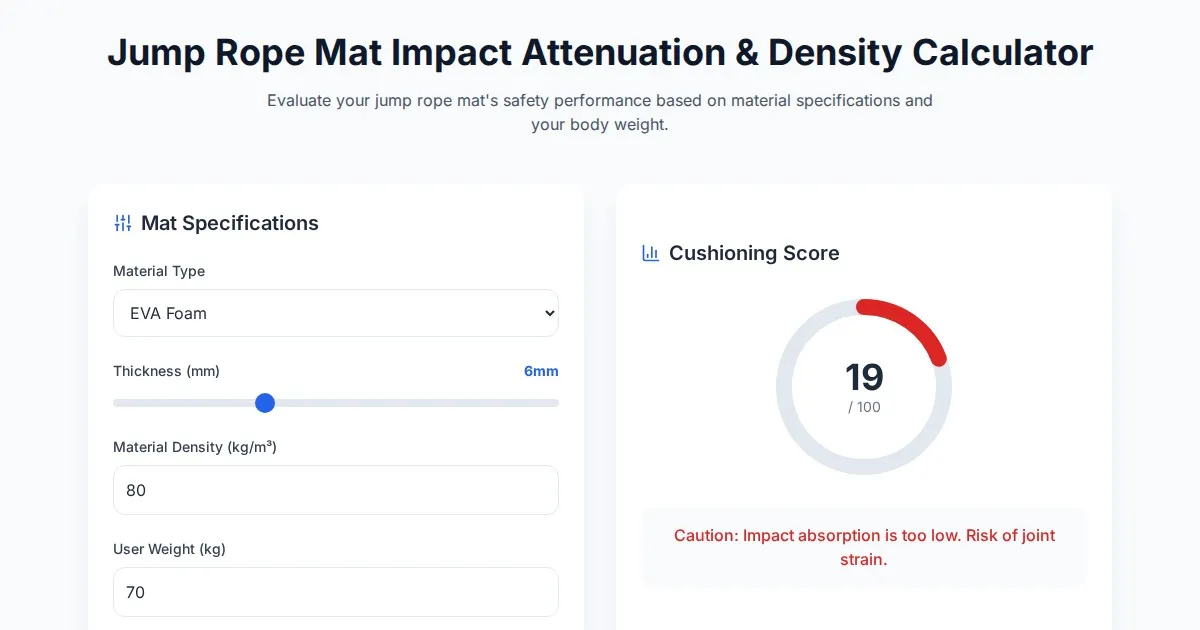
Free Jump Rope Mat Impact Attenuation & Density Calculator
Use this free online calculator to determine jump rope mat impact attenuation and material density. Safely assess if your workout flooring protects your joints.
Free Base64 Image Data URI to File Size Calculator
Accurately calculate the file size of Base64 encoded image data strings. This free, web-based tool helps developers estimate binary file sizes for web apps.

Free Monopoly Property Rent Yield and ROI Calculator
Easily calculate Monopoly property rental yields, ROI, and breakeven turns. Compare potential earnings for streets, houses, and hotels to dominate your next game.
Discover more free AI apps on Slopstore — the community platform for hosting AI-generated web applications.