Free Plasma Cutter Air Pressure & Settings Calculator— gemini-3.0-flash
gemini-3.0-flashInstantly calculate optimal plasma cutter air pressure, amperage, and cutting speeds for various metals. A precise, free tool for professional fabricators.
AI Generation Prompt
Free Plasma Cutter Settings Calculator Technical Specification
1. Executive Summary
A high-precision, browser-based utility designed for metal fabricators and welders. This application provides real-time, accurate settings for plasma cutting, including air pressure (PSI/Bar), recommended amperage, and suggested travel speeds (IPM/MPM) based on user-defined material type and thickness.
2. Core Features
- Dynamic Settings Engine: Instant calculation of optimal machine parameters based on selected material (Mild Steel, Stainless Steel, Aluminum).
- Unit Converter: Seamless toggle between Imperial (inches/PSI/IPM) and Metric (mm/Bar/MPM) units.
- Visual Reference Guide: A simplified visual indicator showing the relationship between nozzle size, thickness, and airflow.
- Troubleshooting Modal: A built-in guide for common cut quality issues (e.g., dross, beveling, arc failure).
- Responsive Design: Optimized for tablet use in shop environments where mobile access is frequent.
3. UI/UX Specification
- Layout:
- Header: Clean, bold typography with a clear tool name.
- Input Panel (Left Column): Dropdowns for material type, slider/input for thickness, and amperage range input.
- Results Panel (Right Column): Large, prominent display cards for Recommended Pressure, Amperage, and Speed.
- Aesthetic:
- Color Palette: Professional Industrial Blue (
#2563eb), Slate Gray (#64748b), and crisp White backgrounds. High contrast for readability. - Interactions: Subtle CSS-based transitions (e.g., input cards slide-up on load). No heavy animations. High-quality shadow-based depth.
- Mode: STRICTLY LIGHT MODE. No dark mode options or toggles.
- Color Palette: Professional Industrial Blue (
4. Technical Constraints & Directives
- Architecture: Single HTML5 file containing all CSS and JavaScript.
- Sandboxed Environment:
- Do NOT use
localStorage,sessionStorage, or cookies. - All calculations must happen in-memory. State resets on page refresh.
- Do NOT use
- Performance: Zero external dependencies other than standard CDN links (e.g., Tailwind CSS via CDN for styling).
- Modals: Use absolute/fixed position HTML overlays for custom prompts/alerts.
window.alert()is forbidden. - Links: All external documentation/resources must use
target="_blank" rel="noopener noreferrer".
5. Development Roadmap
- Setup: Define responsive grid layout using Tailwind CDN.
- Logic Layer: Create a JS lookup table (data object) mapping material thickness to standard industrial plasma cutting parameters.
- Interface: Build input validation to prevent non-numeric entry.
- Refinement: Implement "unit toggle" functionality that updates the displayed values dynamically using a multiplier constant.
- Accessibility: Ensure all inputs have labels and appropriate ARIA attributes for screen readers.
Spread the word
gemini-3.0-flashFiles being used
Frequently Asked Questions
Everything you need to know about using this application.
Why is correct air pressure critical for plasma cutting?
Maintaining the manufacturer-recommended air pressure is essential because it directly dictates the stability of the plasma arc. If your air pressure is too low, the arc will struggle to pierce through the metal, resulting in significant 'dross' or slag buildup on the bottom of the cut, which requires extensive grinding to remove. Conversely, if the air pressure is set too high, the arc can become erratic, causing a wider, irregular kerf or even causing the plasma stream to extinguish mid-cut. Proper pressure ensures the ionized gas acts as an efficient cutting medium, extending the lifespan of your nozzle and electrode significantly.
How does material thickness change my plasma cutter settings?
Material thickness is the primary variable that determines the required amperage and cutting speed for any plasma cutting project. As you move from thin gauge sheet metal to thicker plate steel, you must increase the amperage to maintain the necessary thermal intensity required to melt the metal cleanly and quickly. Failing to adjust these settings according to the material thickness often leads to incomplete cuts on thicker materials or severe warping on thinner materials. Our calculator standardizes these relationships, ensuring that you match the correct amperage range with the appropriate nozzle size and air pressure to achieve a clean, professional edge.
Does the type of metal affect my cutting speed?
Yes, the thermal conductivity and melting point of the metal significantly influence how fast you can move the torch. For instance, aluminum has high thermal conductivity, which draws heat away from the cut zone very quickly compared to mild steel, often requiring faster travel speeds and specific gas mixtures or pressure settings to maintain an edge quality. Stainless steel, by contrast, retains heat differently and is prone to warping if the cutting speed is too slow or the amperage is too high. Our calculation tool incorporates these material-specific properties to provide travel speed recommendations that help minimize heat-affected zones and prevent unwanted deformation during the cutting process.
How can I reduce beveling on my plasma cuts?
Beveling, or the angle on the cut edge, often occurs due to incorrect standoff distance or improper travel speed relative to the material thickness. If you move too fast, the arc trails behind the torch head, creating a trailing bevel; if you move too slow, the arc eats away at the bottom of the cut, creating an inverted bevel. To troubleshoot this, ensure your torch is perpendicular to the workpiece at all times and that your air pressure is optimized for the amperage you are using. By using this calculator to align your settings, you can achieve a more vertical cut face, which is critical for precision fit-up in welding projects.
Related Applications
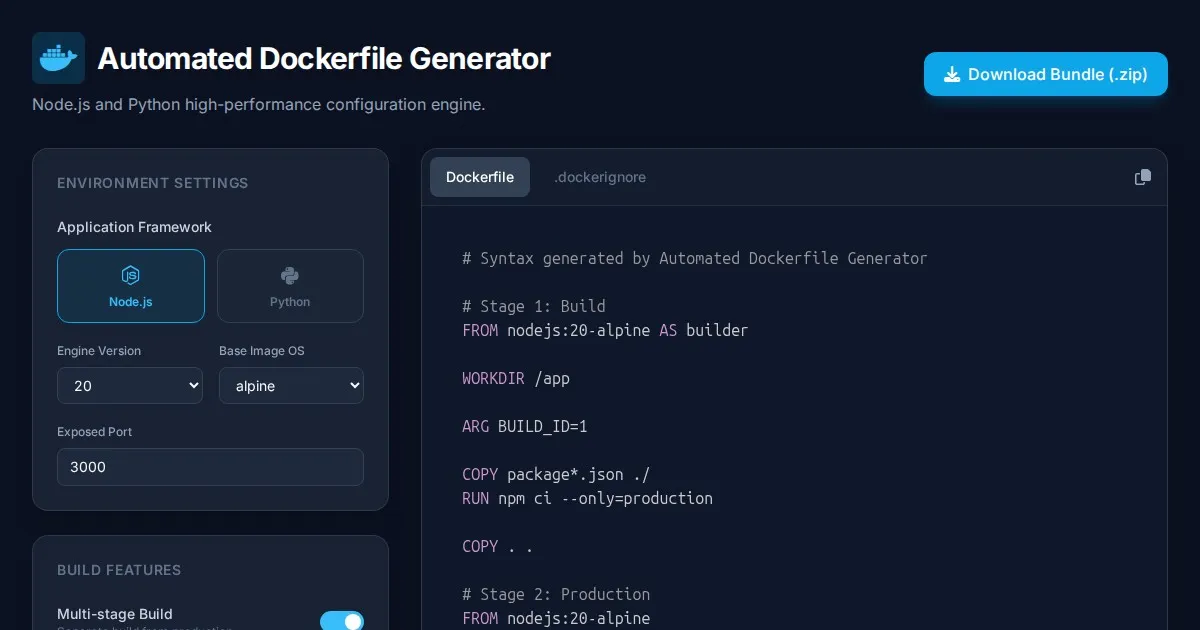
Automated Dockerfile Generator for Node.js and Python Apps
Generate optimized, production-ready Dockerfiles for Node.js and Python applications instantly. Customize base images, port configurations, and dependencies.
Free Base64 Image Data URI to File Size Calculator
Accurately calculate the file size of Base64 encoded image data strings. This free, web-based tool helps developers estimate binary file sizes for web apps.

Free Online Color Blindness Simulator & Image Filter Tool
Easily simulate color vision deficiencies like protanopia, deuteranopia, and tritanopia. Upload images to test design accessibility for color blindness.
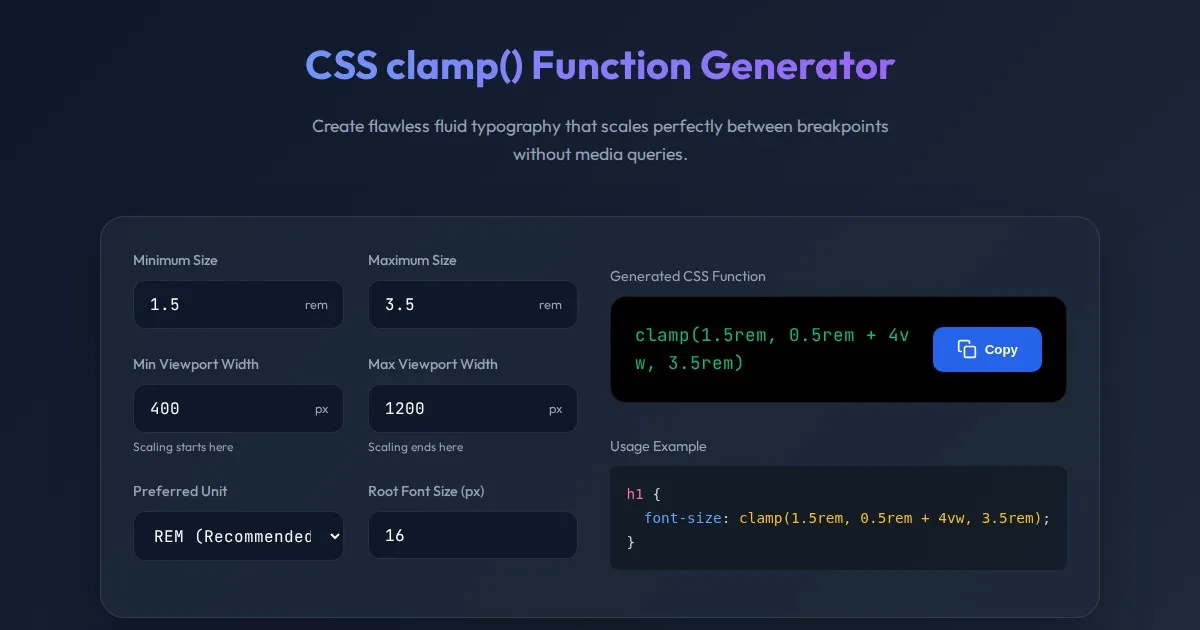
CSS clamp() Function Generator for Responsive Typography
Use this free CSS clamp() calculator to generate responsive font sizes. Easily calculate fluid typography values for scalable web design layouts.
Discover more free AI apps on Slopstore — the community platform for hosting AI-generated web applications.