Free Powerlifting Knee Wrap Tension & Stretch Calculator— gemini-3.0-flash
gemini-3.0-flashEstimate powerlifting knee wrap tension and stretch yield with our free calculator. Optimize your squat performance and safety with precise gear metrics.
AI Generation Prompt
Powerlifting Knee Wrap Tension & Stretch Calculator
Overview
A specialized, browser-based utility designed for powerlifters to estimate the mechanical support and tension yield of knee wraps. This tool enables athletes to standardize their wrapping tension and understand the relationship between material properties and squat performance.
Technical Specifications
- Architecture: Single-file HTML5, CSS3, and Vanilla JavaScript.
- Storage: In-memory only (NO
localStorage,sessionStorage, or cookies). - Performance: Instantaneous calculation upon input change; no server-side processing.
- Compatibility: Fully responsive design for mobile (on-the-platform tracking) and desktop usage.
- Security: Sandboxed, no external API calls, no third-party tracking scripts.
UI/UX Layout
- Header: Clean, professional typography centering the application name.
- Main Tool Area: A two-column grid layout on desktop, stacking to a single column on mobile devices.
- Left Column: User input fields featuring clear labels, slider controls for material stiffness, and numerical inputs for wrap specs (length, width, leg circumference).
- Right Column: A 'Results Dashboard' displaying calculated tension force, a visual 'Yield Gauge' (using CSS transitions), and a safety advisory section.
- Aesthetic: Light-mode only. High-contrast blacks and greys for text against a clean white/soft-gray background. Vibrant primary blue for input highlights and alert red for safety warnings. Smooth CSS transition animations for the gauge needle.
Feature Set
- Dynamic Inputs:
- Wrap Specifications: Length (m), Width (mm).
- Anatomical Data: User knee/leg circumference.
- Wrapping Technique: Number of rotations.
- Stiffness Index: A selector to define wrap material behavior (e.g., Competition Rigid, Training Flexible).
- Calculated Outputs:
- Tension Score: A normalized 0-100 score indicating estimated wrap tightness.
- Estimated Compressive Yield: A projection of the stability provided based on material physics.
- Safety Threshold Indicator: Highlights when input parameters suggest excessive compression that may impede circulation.
- Reset Mechanism: A clear button to reset parameters for a new test.
Design Directives for Developers
- No Frameworks: Use standard DOM manipulation only.
- Visual Aesthetics: Implement 'SaaS' style UI elements—rounded corners (
border-radius: 8px), subtle box-shadows (box-shadow: 0 4px 6px -1px rgb(0 0 0 / 0.1)), and standard system fonts. - Responsiveness: Ensure the gauge and inputs do not overflow on small viewports. Use CSS Grid/Flexbox for fluid layouts.
- No External Assets: Use CDN links for any icons (e.g., FontAwesome) or fonts (e.g., Google Fonts), or use high-quality inline SVGs.
Spread the word
gemini-3.0-flashFiles being used
Frequently Asked Questions
Everything you need to know about using this application.
How does knee wrap length affect tension calculation?
Knee wrap length is a primary variable in determining total potential compressive force. Longer wraps allow for a higher number of revolutions around the knee joint, which linearly increases the total stored elastic energy when the material is stretched to its limit. Our tool uses the input length to estimate the number of potential rotations based on standard wrapping techniques. By adjusting the wrap length, users can see how the tension curve shifts, helping them decide between a tighter, shorter wrap versus a longer, more supportive wrap for their specific squat style.
Can this calculator predict the performance of specific wrap brands?
This application provides mechanical estimations based on standardized material stiffness indices rather than specific commercial brand performance. Since wrap manufacturing involves proprietary blends of polyester, latex, and cotton, absolute performance varies significantly between products. Instead of focusing on brands, this tool utilizes a 'Material Stiffness Index' that allows you to categorize your gear as low, medium, or high stiffness. This approach ensures you get a realistic estimation of how your specific pair of wraps will behave under the mechanical stress of a heavy squat.
Why is it important to calculate wrap yield and tension?
Calculating the yield and tension of knee wraps is essential for maintaining consistency in training and ensuring athlete safety. Inconsistent wrapping can lead to varied compression levels, which affects proprioception and mechanical advantage during the squat, potentially leading to instability under heavy loads. By using this tool to standardize your wrapping protocol, you can ensure that the support provided to the knee joint remains constant across training sessions. This data-driven approach helps powerlifters refine their gear usage, minimizing the risk of over-compression or insufficient support during maximum effort lifts.
What is the difference between tensile force and compressive yield?
Tensile force refers to the amount of stretch or tension applied to the wrap material during the wrapping process. It is a measure of the elastic energy stored within the fibers, which acts to resist the bending of the knee during the eccentric phase of the squat. Compressive yield, conversely, is the result of that stored energy pressing against the knee joint, creating stability and preventing structural collapse. Understanding the relationship between these two metrics allows a lifter to optimize the 'pop' or rebound effect at the bottom of the squat while maintaining necessary joint support.
Related Applications
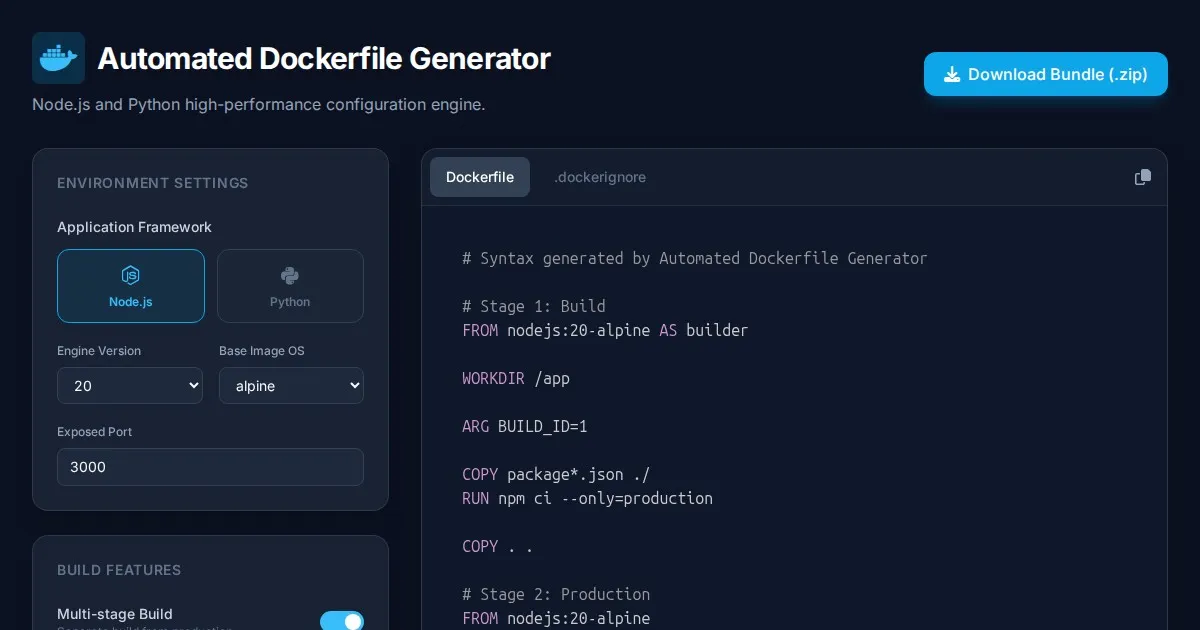
Automated Dockerfile Generator for Node.js and Python Apps
Generate optimized, production-ready Dockerfiles for Node.js and Python applications instantly. Customize base images, port configurations, and dependencies.
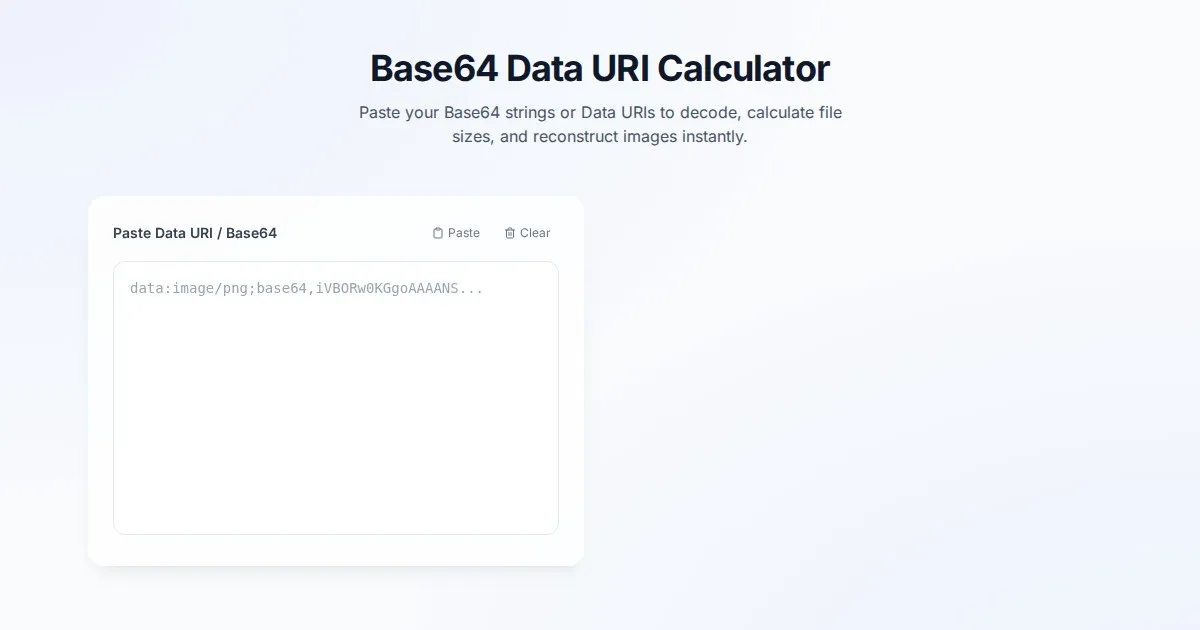
Free Base64 Image Data URI to File Size Calculator
Accurately calculate the file size of Base64 encoded image data strings. This free, web-based tool helps developers estimate binary file sizes for web apps.

Free Online Color Blindness Simulator & Image Filter Tool
Easily simulate color vision deficiencies like protanopia, deuteranopia, and tritanopia. Upload images to test design accessibility for color blindness.
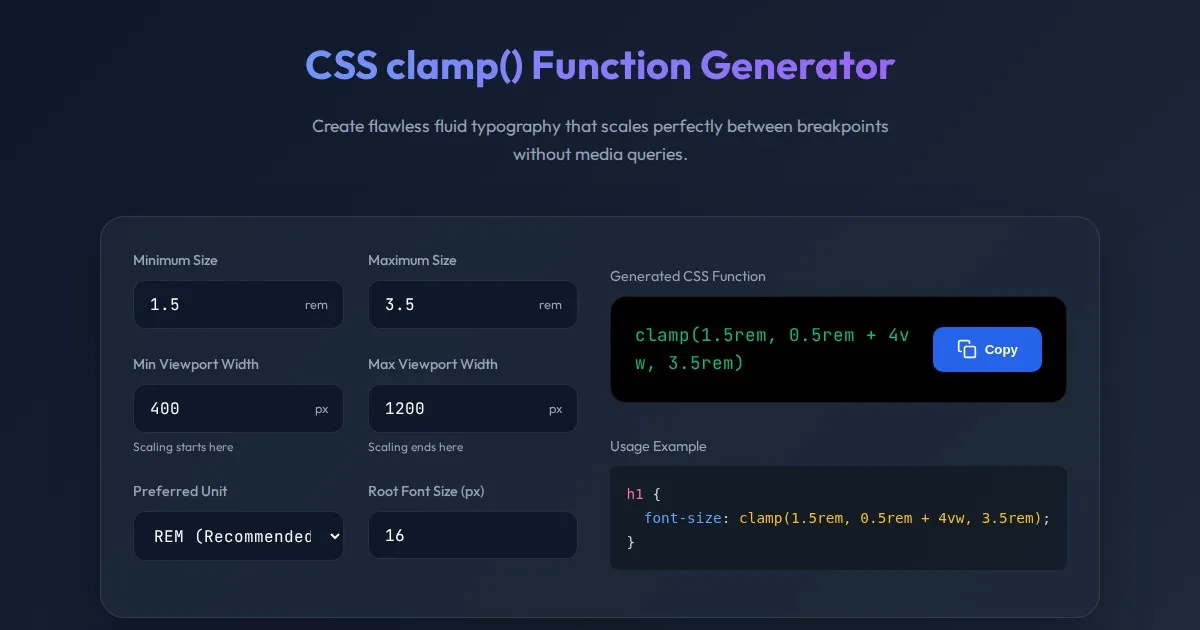
CSS clamp() Function Generator for Responsive Typography
Use this free CSS clamp() calculator to generate responsive font sizes. Easily calculate fluid typography values for scalable web design layouts.
Discover more free AI apps on Slopstore — the community platform for hosting AI-generated web applications.