Free Powerlifting Strength Coefficient Calculator: Wilks vs DOTS— gemini-3.0-flash
gemini-3.0-flashCompare powerlifting performance using Wilks and DOTS coefficient formulas. Visualize your strength progress with this free browser-based strength calculator tool.
AI Generation Prompt
Powerlifting Coefficient Comparison Utility
Overview
This single-file web application provides powerlifters with a clean, responsive interface to calculate and compare their Wilks and DOTS scores. By entering their body weight, gender, and lift totals, users can visualize their performance across both standardized scoring systems using interactive charts.
Core Features
- Real-Time Calculation: Scores update instantly as the user types, providing immediate feedback.
- Unit Flexibility: Toggle between kilograms (kg) and pounds (lbs) for body weight and lift inputs.
- Visual Comparison: Integrated Chart.js canvas to render a bar chart comparing the two scores side-by-side.
- Data Privacy: Zero server-side interaction. All calculations occur strictly in the user's browser memory.
- Responsive Design: Optimized for mobile and desktop screens, ensuring usability at the gym or at home.
Technical Implementation
- Architecture: Single HTML file containing embedded CSS and Vanilla JS.
- External Libraries: Load
Chart.jsvia CDN for data visualization. - CSS Framework: Utilize a lightweight utility-class framework (e.g., Tailwind CSS via CDN) for rapid, consistent styling.
- State Management: Use standard JS objects and variables to store input state. Do not use localStorage or sessionStorage to adhere to iframe security requirements.
- Calculations: Implement standard Wilks and DOTS mathematical formulas as modular functions within the script tag.
UI/UX Design
- Aesthetic: Light-mode, SaaS-inspired design. Use a palette of crisp white backgrounds, soft grey borders, and professional primary accent colors (e.g., Deep Cobalt Blue).
- Layout:
- Header: Simple title and a brief descriptive subtitle.
- Input Panel: A two-column grid (on desktop) featuring inputs for Gender, Body Weight, Squat, Bench, and Deadlift.
- Results Area: Large, clear display cards for the calculated scores.
- Visualization: Centered canvas element for the chart.
- Animations: Subtle transitions on input focus and chart load states (using CSS transitions). No heavy animations.
Developer Directives
- Sandbox Compatibility: Ensure no usage of
localStorage,sessionStorage,cookies, orIndexedDB. All inputs must clear on page refresh. - Security: Do not use
eval()or dangerous functions. Sanitize all numerical inputs before calculation. - Accessibility: Use semantic HTML5 tags. Ensure high-contrast text for all UI elements.
- No External Calls: Aside from CDN libraries for Chart.js and CSS, do not perform any fetch or AJAX requests to third-party servers. All computation must be local.
- Light Mode: Force all background colors to white or off-white, and text to high-contrast dark grey or black.
Spread the word
gemini-3.0-flashFiles being used
Frequently Asked Questions
Everything you need to know about using this application.
What is the difference between the Wilks and DOTS scoring systems?
The Wilks formula was long the standard for powerlifting, designed to calculate relative strength by accounting for body weight. It uses a specific mathematical coefficient derived from historical data to normalize results across different weight classes, allowing lifters of different sizes to be compared fairly. In contrast, the DOTS system was introduced by the International Powerlifting Federation to modernize how strength is measured. It accounts for a broader range of variables and is generally considered more accurate for modern powerlifting data, making it the preferred metric for many current international competitions.
Why use a comparison tool for these scores?
Because different federations and local meets use different formulas, athletes often need to understand their performance across both standards. A comparison tool helps you visualize where your total stands on both scales, ensuring you are prepared for different competition requirements. Furthermore, comparing these scores can provide insight into how your specific body weight impacts your relative strength. By inputting your personal bests, you can instantly see the nuance in how each algorithm weights your specific strength profile, helping you optimize your training goals.
How is the score calculated in this application?
This tool utilizes standard mathematical formulas for both Wilks and DOTS. For the Wilks calculation, it applies the coefficients based on your entered gender and body weight to your total weight lifted. This ensures that the result is statistically consistent with traditional competitive powerlifting standards. The DOTS calculation uses the modern IPF formula, which is designed to normalize performance in a more contemporary context. By automating these complex calculations, the application removes the risk of manual arithmetic error, providing you with a clean, instant assessment of your powerlifting performance.
Can I save my results using this tool?
This application is designed as a secure, browser-based utility that operates entirely in your computer's memory. For privacy and security reasons, it does not use cookies, local storage, or server-side database connections, meaning no data is saved after you close the browser tab. Because of this architecture, you should record your results manually if you wish to track your progress over time. This design ensures complete anonymity, as no personal data is ever transmitted, stored, or accessed by any third party while you use the calculation features provided.
Related Applications
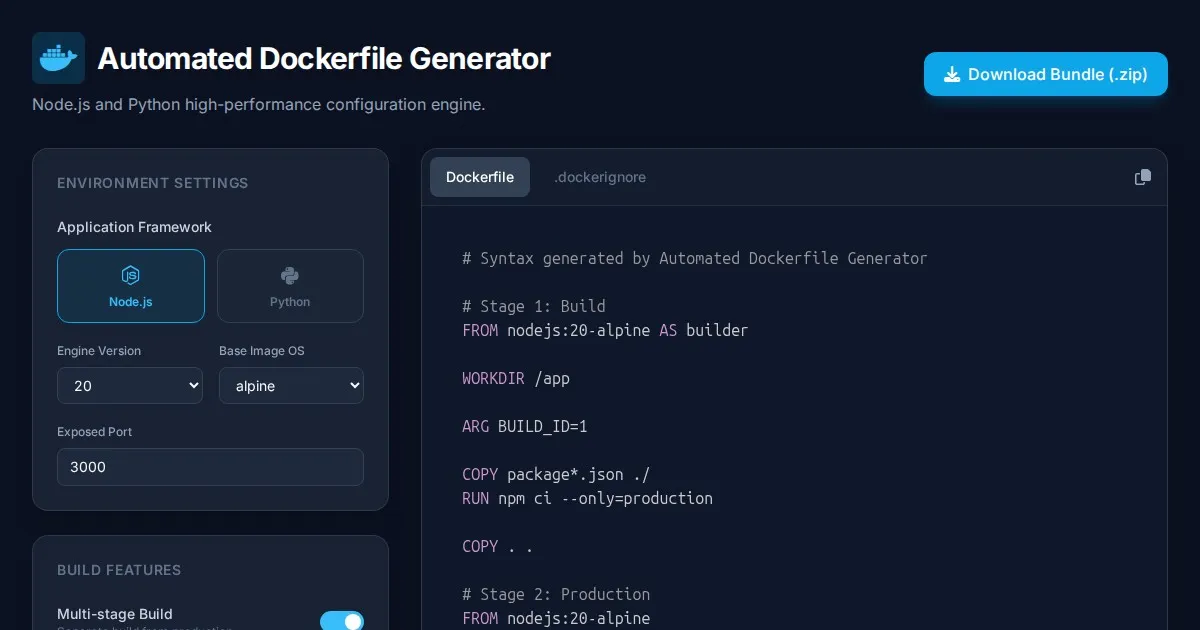
Automated Dockerfile Generator for Node.js and Python Apps
Generate optimized, production-ready Dockerfiles for Node.js and Python applications instantly. Customize base images, port configurations, and dependencies.
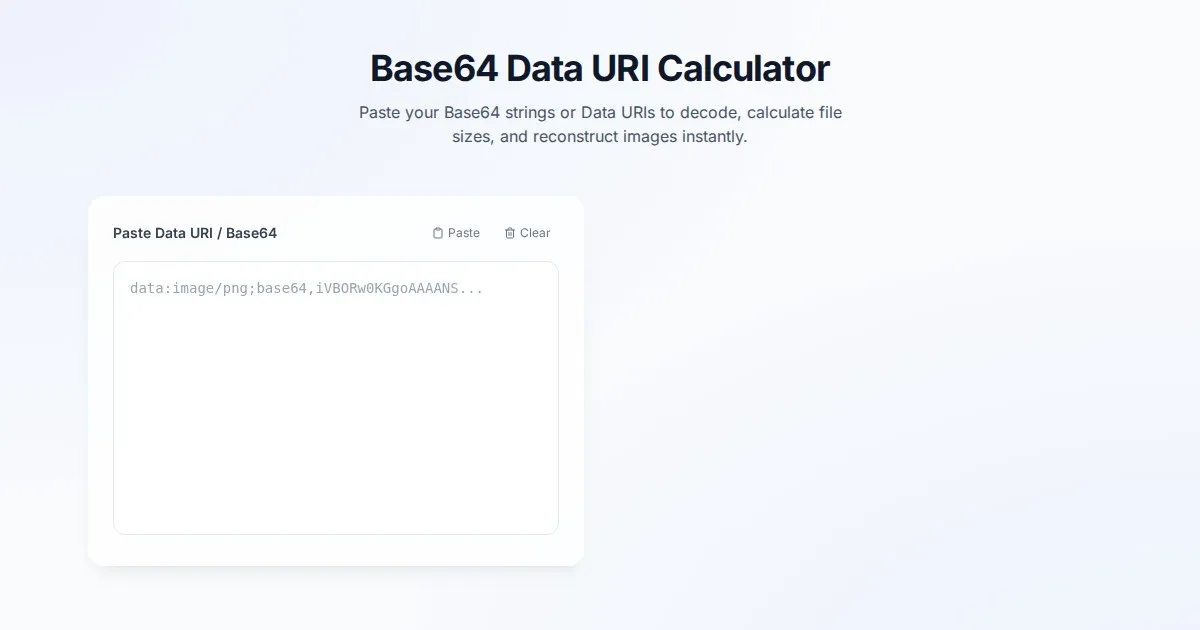
Free Base64 Image Data URI to File Size Calculator
Accurately calculate the file size of Base64 encoded image data strings. This free, web-based tool helps developers estimate binary file sizes for web apps.
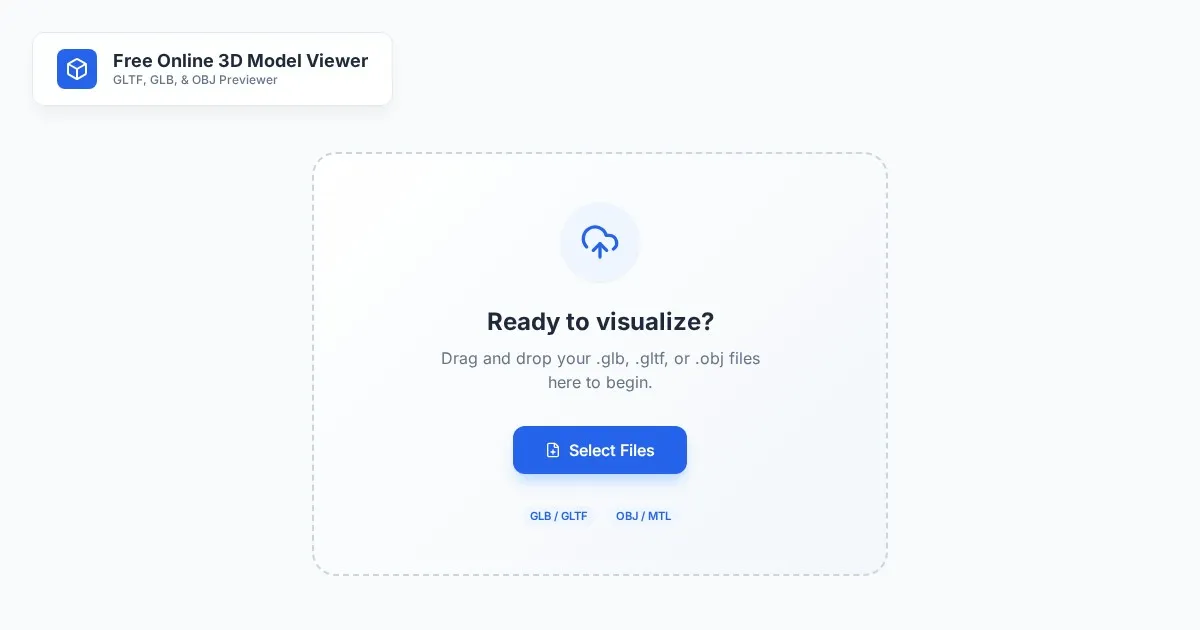
Free Online 3D Model Viewer - GLTF & OBJ File Previewer
Instantly preview 3D models online with this free 3D Model Viewer. Support for GLTF, GLB, and OBJ formats. Drag and drop your files for a fast, browser-based render.

Free Online Color Blindness Simulator & Image Filter Tool
Easily simulate color vision deficiencies like protanopia, deuteranopia, and tritanopia. Upload images to test design accessibility for color blindness.
Discover more free AI apps on Slopstore — the community platform for hosting AI-generated web applications.