Free RAID Storage Capacity and Fault Tolerance Calculator— gemini-3.0-flash
gemini-3.0-flashAccurately calculate usable disk space, fault tolerance, and storage efficiency for RAID 0, 1, 5, 6, and 10 configurations with this free, professional tool.
AI Generation Prompt
RAID Capacity and Fault Tolerance Planning Tool
A professional, single-file browser application designed to assist system administrators, IT professionals, and PC enthusiasts in calculating storage parameters for RAID arrays. The tool emphasizes accuracy, readability, and a clean, light-mode user interface.
Core Features
- Multi-Level Support: Comprehensive calculation for RAID 0, 1, 5, 6, and 10.
- Input Customization: Support for dynamic drive counts (minimums enforced per RAID level) and customizable drive capacities (GB/TB toggles).
- Instant Results: Real-time calculation of Usable Capacity, Redundancy, and Array Efficiency percentage.
- Visual Indicators: Color-coded status badges for Fault Tolerance (e.g., Red for "No Protection", Green for "High Protection").
- Educational Context: Dynamic informational text below results that explains the pros and cons of the selected configuration.
UI Layout
- Header: Simple, clean title ("RAID Storage Calculator") with a brief tagline.
- Main Tool Area:
- Input Panel: A card-based layout featuring:
- A select dropdown for the RAID level.
- Number input for the quantity of drives (with range validation).
- Input for individual drive capacity with unit selection (GB/TB).
- Results Section: A prominent, central dashboard displaying:
- Total Usable Capacity (bold, large font).
- Raw Capacity.
- Fault Tolerance capacity (number of drives that can fail).
- Summary Panel: A distinct block describing the RAID level's specific characteristics (e.g., "Best for speed, zero redundancy").
- Input Panel: A card-based layout featuring:
Design System & Aesthetics
- Colors: Vibrant and professional light-mode palette:
bg-slate-50for background,text-slate-900for primary text, and a primary accent color ofblue-600for inputs and action indicators. Success/Failure colors:emerald-600for redundant setups,rose-600for non-redundant setups. - Animations: Subtle transitions using
transition-allandduration-300for any changes to inputs or result numbers. Entrance animations (fade-in) for the results card. - Typography: Sans-serif, modern system fonts (Inter or system-ui) with high legibility.
Technical Implementation Directives
- Architecture: The entire application must be contained in a single
.htmlfile. CSS should be linked via CDN (Tailwind CSS) or embedded in<style>tags. Vanilla JavaScript must be used for all calculations. - Environment: The app must be compatible with a sandboxed iframe.
- NO Persistent Storage: Do not use
localStorage,sessionStorage, or cookies. Maintain state solely within a JavaScript object in the global scope. - NO Modals/Prompts: Use custom HTML elements (hidden by default) for alerts or warnings. Do not trigger the browser's
alert()orconfirm()functions.
- NO Persistent Storage: Do not use
- Responsiveness: Use CSS Flexbox and Grid to ensure a stacked, mobile-first design that expands into a 2-column view on desktop devices.
- Performance: Ensure zero-latency responsiveness. Calculations should trigger on input change events (
oninput) for instant gratification.
Spread the word
gemini-3.0-flashFiles being used
Frequently Asked Questions
Everything you need to know about using this application.
What is a RAID capacity calculator?
A RAID capacity calculator is a professional utility designed to help server administrators and system builders estimate the usable storage space and redundancy characteristics of different Redundant Array of Independent Disks (RAID) configurations. By inputting the number of drives and the capacity of each individual disk, the tool instantly calculates the net usable capacity and identifies the fault tolerance of the specific array setup. This tool helps users avoid common pitfalls when planning storage arrays, such as failing to account for overhead in parity-based RAID levels like RAID 5 or RAID 6. It provides instant feedback on how much storage will actually be available for data compared to the total raw capacity, allowing for precise hardware procurement planning.
Is my data stored or tracked by this tool?
This application operates entirely on the client-side within your browser. Because it is designed with privacy and security as a priority, it does not use cookies, localStorage, or any external database to save your inputs or configurations. All calculations are performed in real-time within the browser's memory and are discarded immediately upon refreshing or closing the page. This architecture ensures that your server configurations, storage planning data, and hardware specifications remain completely private. There is no server-side logging, meaning this tool is perfectly safe to use for planning sensitive enterprise infrastructure or private home server environments without fear of data leakage.
How does fault tolerance differ between RAID levels?
Fault tolerance refers to the ability of a storage array to continue operating and maintaining data integrity after one or more physical drive failures. For example, RAID 0 provides zero fault tolerance, meaning if a single drive fails, all data in the array is lost. In contrast, RAID 1 mirrors data across drives, offering high redundancy but lower storage efficiency. More complex levels like RAID 5 use parity to survive a single drive failure, while RAID 6 uses double parity to survive up to two simultaneous drive failures. Choosing the right RAID level depends on balancing your need for performance, data protection, and cost-effectiveness. This calculator helps visualize those trade-offs by explicitly stating the number of drive failures an array can sustain.
Why is RAID 10 often recommended for enterprise storage?
RAID 10, also known as RAID 1+0, combines the mirroring of RAID 1 with the striping of RAID 0. It is frequently recommended for high-performance environments because it offers excellent read and write speeds while providing strong fault tolerance. Unlike RAID 5 or 6, which require calculating parity for every write operation, RAID 10 writes data directly to mirrored pairs, significantly reducing the I/O load on the storage controller. While RAID 10 requires more drives to achieve the same usable capacity as RAID 5, the performance gains and faster rebuild times after a failure make it a preferred choice for database servers and virtual machine hosts. This calculator allows you to quickly compare the raw storage cost of RAID 10 versus other RAID levels to determine if it fits your budget and capacity requirements.
Related Applications
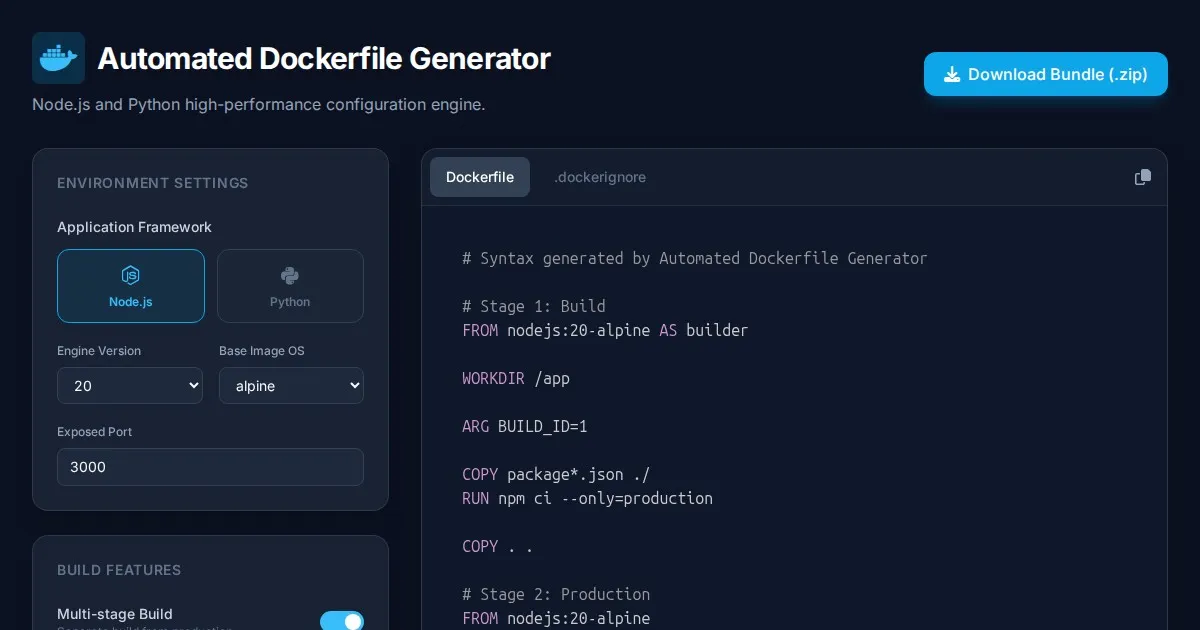
Automated Dockerfile Generator for Node.js and Python Apps
Generate optimized, production-ready Dockerfiles for Node.js and Python applications instantly. Customize base images, port configurations, and dependencies.
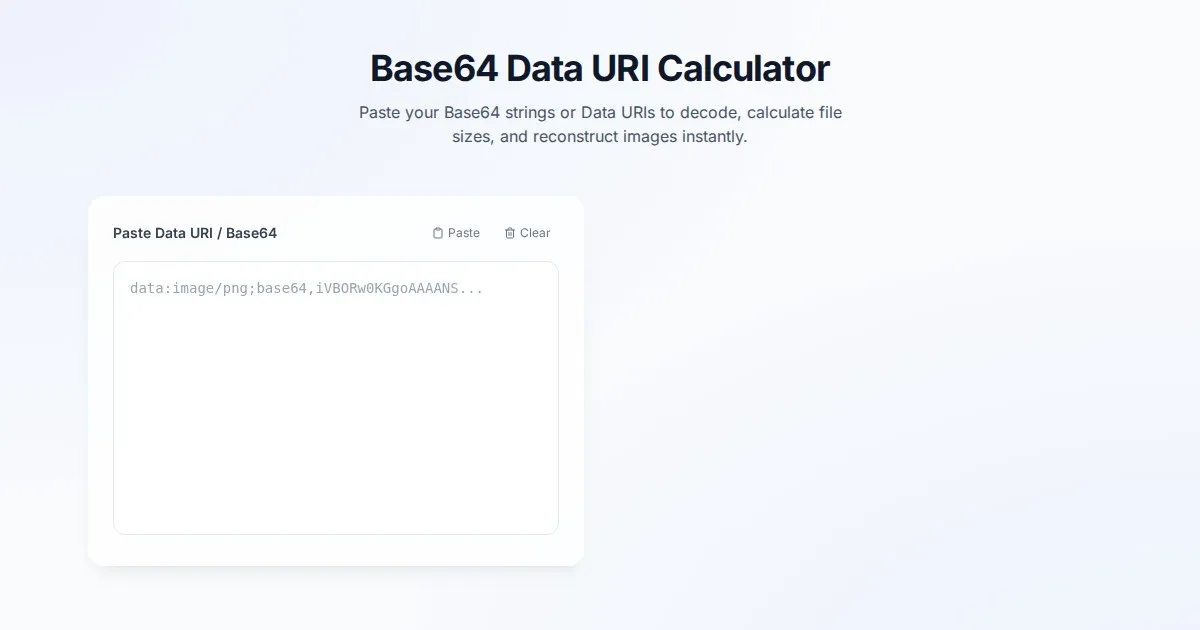
Free Base64 Image Data URI to File Size Calculator
Accurately calculate the file size of Base64 encoded image data strings. This free, web-based tool helps developers estimate binary file sizes for web apps.

Free Online Color Blindness Simulator & Image Filter Tool
Easily simulate color vision deficiencies like protanopia, deuteranopia, and tritanopia. Upload images to test design accessibility for color blindness.
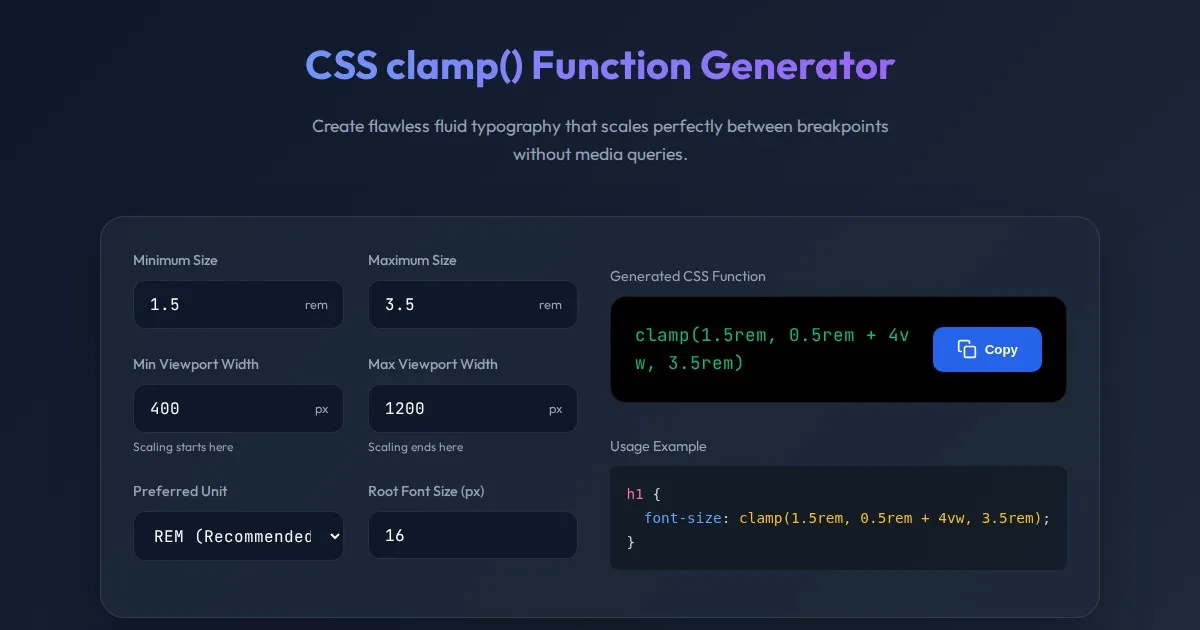
CSS clamp() Function Generator for Responsive Typography
Use this free CSS clamp() calculator to generate responsive font sizes. Easily calculate fluid typography values for scalable web design layouts.
Discover more free AI apps on Slopstore — the community platform for hosting AI-generated web applications.