Free RC LiPo Battery C-Rating & Continuous Current Calculator— gemini-3.0-flash
gemini-3.0-flashCalculate the continuous amperage capacity of your RC LiPo batteries instantly. Enter mAh and C-rating to determine the safe power output for your RC car.
AI Generation Prompt
RC LiPo Battery Continuous Current and C-Rating Calculator
Overview
This single-file application is a specialized tool for RC hobbyists to quickly determine the continuous current discharge of their Lithium Polymer (LiPo) batteries. It helps users avoid undervoltage sag and battery damage by matching battery capabilities with Electronic Speed Controller (ESC) requirements.
Key Features
- Real-Time Calculation: Instant updates as the user types.
- mAh to Amp Conversion: Handles unit conversion (mAh to Ah) automatically.
- Preset Selector: Quick-select buttons for common battery capacities (e.g., 2200mAh, 5000mAh, 6000mAh).
- Visual Safety Gauge: A color-coded progress bar that visually shows if the current is within safe limits (Green: Safe, Yellow: Caution, Red: Critical).
- Educational Tips: A dedicated section displaying actionable advice on LiPo care, C-rating understanding, and avoiding performance drop-offs.
- Copy to Clipboard: One-tap functionality to copy results for sharing in RC forums or chat groups.
UI/UX Design
- Color Palette: Professional light-mode aesthetic using slate grays for text, white for cards, and an electric blue for primary action elements. Success states use soft moss green, while critical alerts use muted warning orange.
- Typography: Clean, sans-serif fonts (e.g., Inter or System-default) with high legibility.
- Layout:
- Header: Simple, centered title with a clear descriptive subtitle.
- Main Input Card: Features two prominent numeric input fields (mAh, C-Rating) with clean floating labels.
- Results Area: A prominent display showing the 'Continuous Amps' result in a large, bold font, accompanied by the Safety Gauge.
- Tips Section: A clean, accordion-style or list-based section explaining the importance of the calculated values.
- Animations: Subtle fade-ins for result updates and smooth sliding transitions for UI state changes.
Developer Technical Directives
- Architecture: The entire app must be a single
.htmlfile containing embedded CSS and Vanilla JavaScript. - Sandbox Compatibility: Do NOT use
localStorage,sessionStorage, or cookies. Maintain all user input in volatile JavaScript memory variables. - Responsive Design: Implement a mobile-first approach using CSS Flexbox/Grid to ensure the layout stacks vertically on phones and expands to a centered column on desktops.
- Interactivity: No alerts or popups. Use custom modal elements inside the DOM for information display.
- Performance: Avoid heavy dependencies. Use a single CDN link for Tailwind CSS (if needed) or simple embedded CSS for styling.
- Accessibility: Ensure all inputs have proper labels, and the contrast ratio meets WCAG 2.1 AA standards for a high-quality user experience.
Spread the word
gemini-3.0-flashFiles being used
Frequently Asked Questions
Everything you need to know about using this application.
How do you calculate continuous current for an RC LiPo battery?
To calculate the continuous current capacity of a Lithium Polymer (LiPo) battery, you use a simple formula involving the capacity (mAh) and the discharge C-rating. First, convert the capacity from milliamp-hours to ampere-hours by dividing by 1,000. Then, multiply that figure by the discharge C-rating to find the continuous amp output. For example, if you have a 5000mAh battery rated at 50C, you divide 5000 by 1000 to get 5Ah, then multiply by 50 to get 250 continuous amps. This calculator automates this math to help you ensure your electronic speed controller (ESC) and motor needs are met without risking battery damage.
Why is C-rating important for RC car performance?
The C-rating represents the maximum rate at which a battery can safely discharge its stored energy. In RC car applications, if your motor and ESC pull more current than the battery is capable of providing, the voltage will sag, resulting in reduced performance and heat build-up. Running a battery at or beyond its limit can lead to puffing, permanent damage, or safety hazards. By using this tool to verify your C-rating against your ESC's maximum current requirements, you ensure the battery can handle the power demands of your vehicle. Always aim for a battery with a continuous current rating that is higher than the maximum current draw of your car's power system.
What is the difference between continuous and burst C-rating?
The continuous C-rating is the maximum discharge rate the battery can sustain safely for the duration of the charge without overheating. This is the figure you should focus on when choosing a battery for steady-state usage, such as racing or long-duration bashing, where the motor is under consistent load. Burst C-rating (sometimes labeled as peak) refers to the maximum discharge rate the battery can handle for very short intervals, typically 10 to 30 seconds, during rapid acceleration. While burst ratings are useful for short sprints, you should never rely on them for standard operation or sustained high-load maneuvers, as they can cause rapid capacity degradation.
How can I tell if my LiPo battery is strong enough for my RC motor?
You can determine compatibility by comparing your calculated continuous amperage to your ESC's maximum current capacity. If your ESC is rated for 120A, you need a battery that provides at least 120A, though ideally more to prevent voltage sag. If your calculator shows the battery output is lower than your ESC's max, you likely need a battery with either a higher capacity or a higher C-rating. Monitoring your battery temperature is also a critical practical step. If your battery feels hot to the touch immediately after a run, your current draw is likely too high for the battery's capability, or the battery is aged and can no longer provide the required power. Always ensure your setup remains within the safe operating parameters.
Related Applications
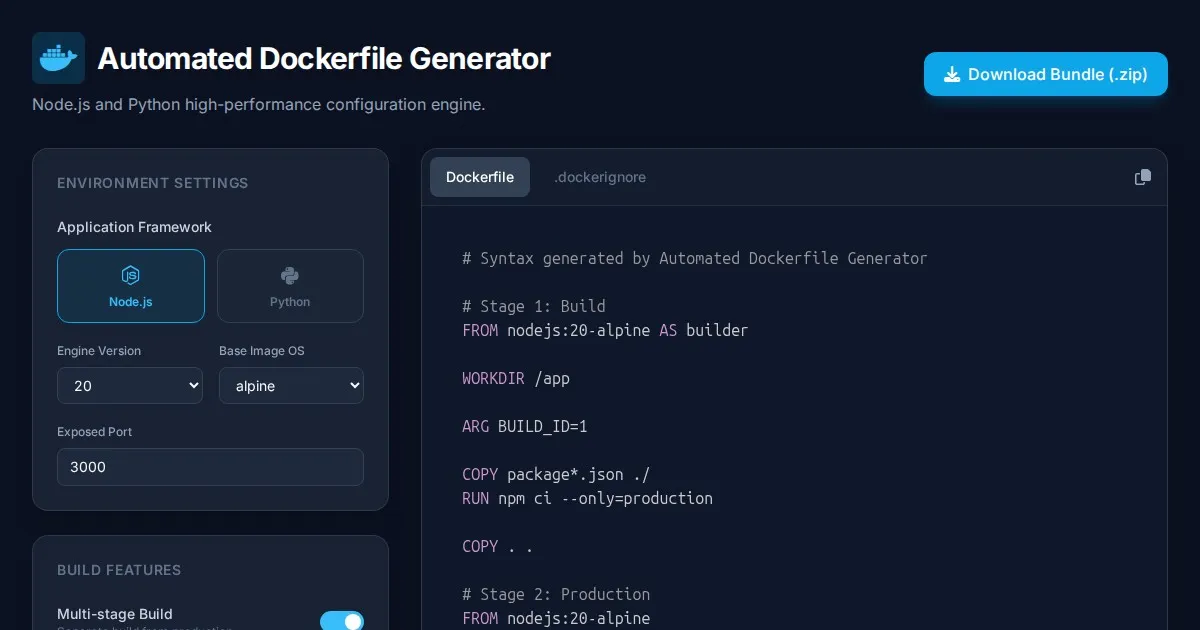
Automated Dockerfile Generator for Node.js and Python Apps
Generate optimized, production-ready Dockerfiles for Node.js and Python applications instantly. Customize base images, port configurations, and dependencies.
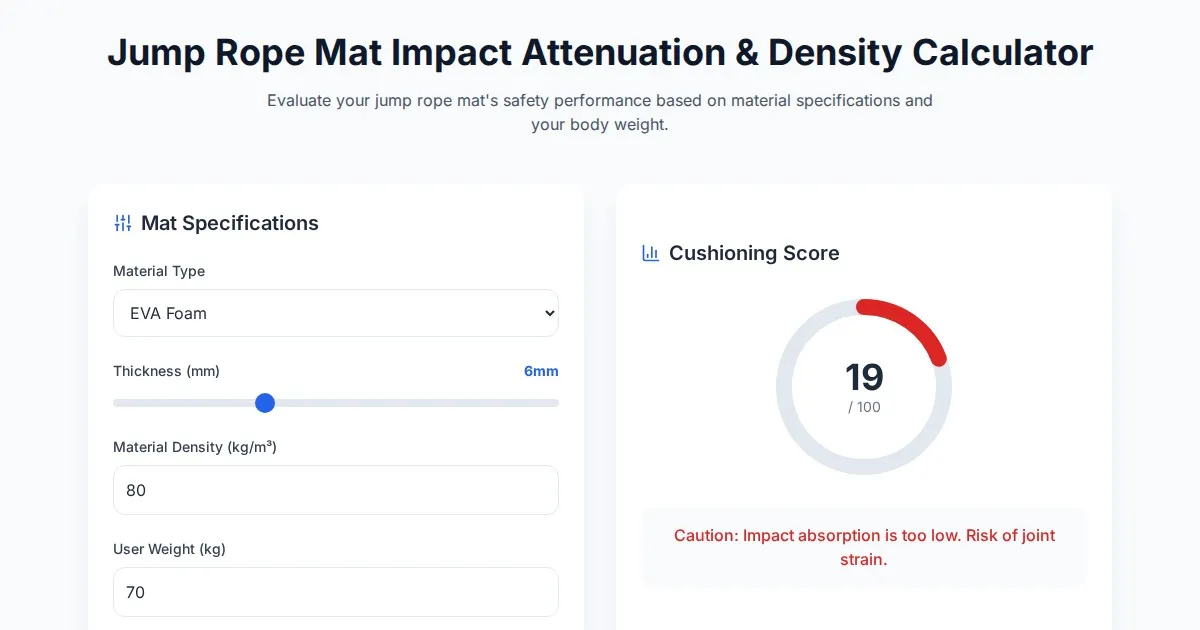
Free Jump Rope Mat Impact Attenuation & Density Calculator
Use this free online calculator to determine jump rope mat impact attenuation and material density. Safely assess if your workout flooring protects your joints.
Free Base64 Image Data URI to File Size Calculator
Accurately calculate the file size of Base64 encoded image data strings. This free, web-based tool helps developers estimate binary file sizes for web apps.

Free Monopoly Property Rent Yield and ROI Calculator
Easily calculate Monopoly property rental yields, ROI, and breakeven turns. Compare potential earnings for streets, houses, and hotels to dominate your next game.
Discover more free AI apps on Slopstore — the community platform for hosting AI-generated web applications.