Free React JSX to Vue 3 Template Syntax Converter— gemini-3.0-flash
gemini-3.0-flashInstantly convert React JSX code into Vue 3 Options or Composition API template syntax. A free, browser-based, and secure tool for web developers.
AI Generation Prompt
Technical Specification: React JSX to Vue 3 Converter
Overview
A high-performance, browser-based utility that maps React JSX structure (props, state, lifecycle, events) into clean, standard Vue 3 template syntax. The application focuses on a seamless, clean-room conversion process without server-side dependencies.
Core Features
- Live Syntax Mapping: Real-time conversion as the user types or pastes JSX code.
- API Selection Toggle: Dedicated toggle to switch output between Options API and Composition API.
- Syntax Highlighting: Integrated code editing experience with clear visual cues for JSX input and Vue output.
- Clean Copy & Export: One-click copy functionality to quickly move converted code to the clipboard.
- Validation Engine: Built-in error handling to alert users if the JSX input is malformed or invalid.
- Clean Mode: A mode to strip comments and excessive whitespace from the output for a production-ready look.
UI Layout
- Header: Contains the app title and the "API Target" selector (Options/Composition).
- Main Interaction Area: A split-pane layout using CSS Flexbox or Grid. The left side is the
JSX Input(monospaced textarea), and the right side is theVue Template Output(read-only code block). - Control Bar: Located at the bottom of the input pane, containing 'Clear', 'Format', and 'Copy' buttons.
- Responsive Behavior: On desktop, panes are side-by-side. On mobile, the UI stacks vertically with a 'Convert' tab indicator.
Design System & Aesthetics
- Color Palette: Professional light-mode aesthetic.
- Background:
#f8fafc(Slate 50) - Primary Action:
#3b82f6(Blue 500) - Border/Divider:
#e2e8f0(Slate 200) - Text:
#1e293b(Slate 800)
- Background:
- Transitions: All UI state changes (e.g., button clicks, mode switching) utilize
transition: all 0.2s ease-in-outfor a premium, snappy feel. - Typography: Inter or System-UI font stack for maximum readability in code blocks.
Technical Constraints & Implementation
- Architecture: Single HTML file (Vanilla JS + Tailwind CSS via CDN).
- Persistence: Strictly no
localStorageorcookies. Input/Output data exists only in component state variables. If the user refreshes the page, the data clears. - Iframe Compatibility: The app logic is encapsulated to work inside a sandboxed iframe without breaking.
- External Assets: Use CDN links for Prism.js (for syntax highlighting) and Tailwind CSS.
- State Management: Use standard JS Objects or Classes to manage the reactive update loop triggered by the input 'oninput' event.
Spread the word
gemini-3.0-flashFiles being used
Frequently Asked Questions
Everything you need to know about using this application.
How does this React to Vue converter ensure data privacy?
This application runs entirely on the client side, meaning your code never leaves your browser. Because the tool operates locally within your browser's environment, it does not send your data to any servers, ensuring total privacy during the migration process. Since no server-side processing occurs, there is no risk of your proprietary code being logged or stored. This design provides a safe, offline-capable environment for developers working with sensitive or private enterprise codebases.
Does this tool support both Options and Composition APIs?
Yes, this converter is designed to support both common Vue 3 structural patterns. You can toggle between the classic Options API and the more modern Composition API to ensure the generated code aligns with your project's architectural standards. The logic handles the mapping of React state hooks (useState) to either Vue data objects or ref/reactive variables, and translates JSX event listeners to the @ shorthand directive automatically.
Is the converted Vue template production-ready?
The generated code is designed as a high-quality scaffolding starting point. It performs the structural translation, prop binding, and conditional rendering logic, significantly accelerating your migration workflow. However, because React and Vue have distinct lifecycle methods and architectural philosophies, we recommend reviewing the output to ensure that custom logic, complex hooks, and third-party dependency references are properly adapted to Vue's specific ecosystem requirements.
Can I use this tool for large codebases?
While this tool is highly effective for converting individual components or snippets, it is built to operate as a single-file utility. For large-scale migrations involving hundreds of files, we recommend using this tool to map the logic of key components individually. This utility is optimized for precision and ease of use rather than batch processing. By focusing on component-level conversion, you maintain better control over the refactoring process and can address edge cases as they appear.
Related Applications
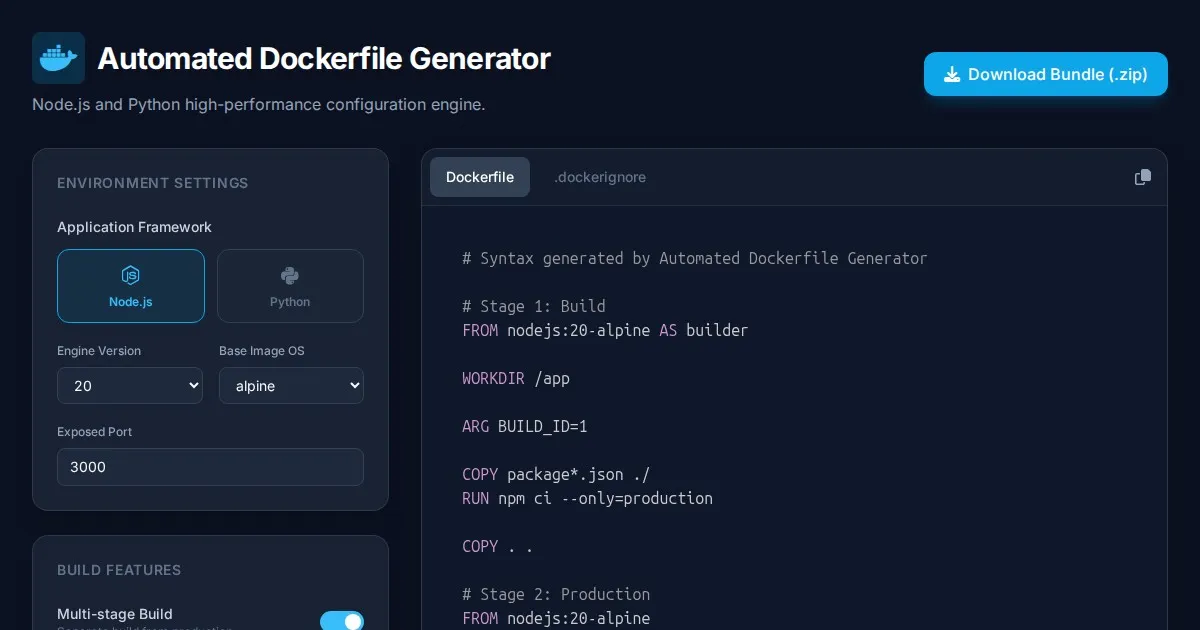
Automated Dockerfile Generator for Node.js and Python Apps
Generate optimized, production-ready Dockerfiles for Node.js and Python applications instantly. Customize base images, port configurations, and dependencies.

Free Jump Rope Mat Impact Attenuation & Density Calculator
Use this free online calculator to determine jump rope mat impact attenuation and material density. Safely assess if your workout flooring protects your joints.
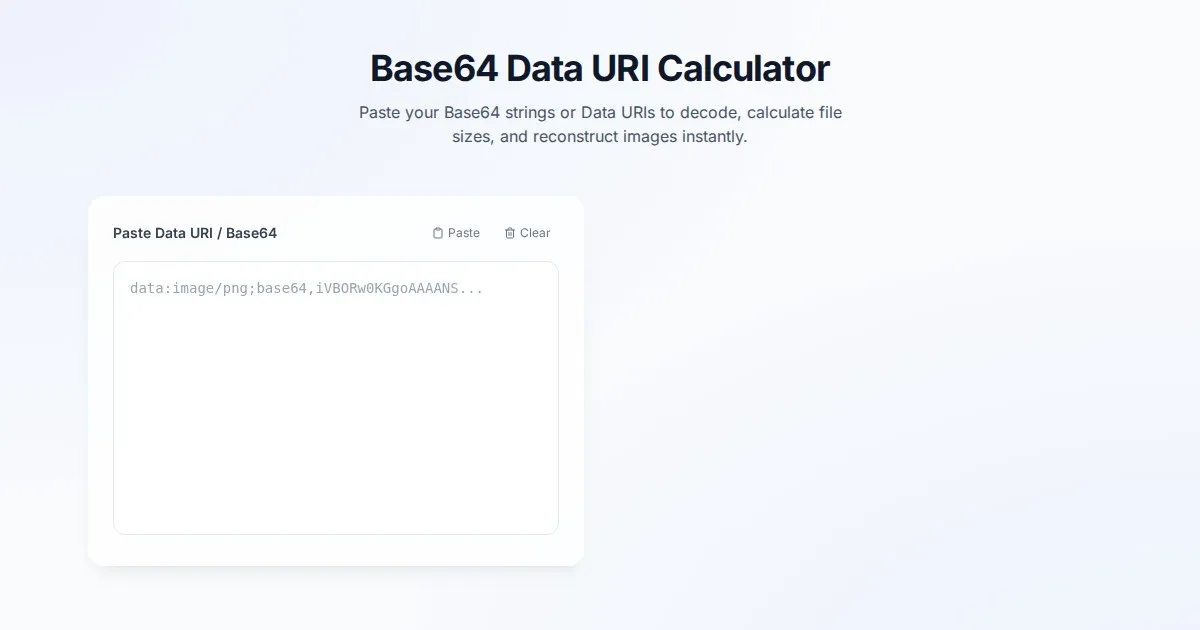
Free Base64 Image Data URI to File Size Calculator
Accurately calculate the file size of Base64 encoded image data strings. This free, web-based tool helps developers estimate binary file sizes for web apps.

Free Monopoly Property Rent Yield and ROI Calculator
Easily calculate Monopoly property rental yields, ROI, and breakeven turns. Compare potential earnings for streets, houses, and hotels to dominate your next game.
Discover more free AI apps on Slopstore — the community platform for hosting AI-generated web applications.