Free React useEffect Memory Leak Simulator & Debugger— gemini-3.0-flash
gemini-3.0-flashVisualize and debug React useEffect memory leaks with our interactive simulator. Learn how to implement cleanup functions for intervals, listeners, and API calls.
AI Generation Prompt
Free React useEffect Memory Leak Simulator & Debugger
Overview
This interactive web utility helps developers visualize the impact of missing cleanup functions in React useEffect hooks. By simulating real-world scenarios—such as unstopped timers, dangling event listeners, and pending API calls—users can see exactly how memory leaks occur and how to resolve them using professional coding patterns.
Core Features
- Scenario Library: Select from common scenarios including
setIntervalleaks,windowresize listeners, andasync/awaitfetch operations. - Interactive Visualizer: A visual monitor that tracks the 'Active Subscription Count' and 'Memory Pressure' of the simulated React lifecycle.
- Side-by-Side Comparison: View a 'Leaky' code block vs. a 'Fixed' code block with the cleanup function explicitly highlighted.
- Simulated Console: A real-time log that shows React mounting/unmounting events and specific side-effect triggers.
- Performance Impact Metrics: A dynamic graph showing how memory consumption grows over time in a leaked state compared to a cleaned state.
UI Layout
- Header: A clean, minimalist header displaying the app title and a 'Reset Simulation' button.
- Main Dashboard: A two-column interface:
- Left Column (Controls): A selector for the simulation scenario, a 'Mount Component' toggle, and configuration inputs (e.g., interval delay).
- Right Column (Visualizer): A code-viewer component showing the current logic, coupled with a graphical gauge that represents memory usage.
- Status Area: A floating console window at the bottom of the right column detailing internal React-style lifecycle events (e.g., "[Effect] Starting interval", "[Cleanup] Clearing interval").
Design & Aesthetics
- Palette: A professional light-mode aesthetic using shades of Slate, Cool Blue (for interaction), and Emerald (for healthy, cleaned states), with a cautionary Amber for detected leaks.
- Typography: Clean, sans-serif fonts (e.g., Inter or System-UI) for high readability.
- Transitions: Smooth fading animations when switching between simulation modes and gentle pulse animations for active timers.
- Responsiveness: A mobile-first design that stacks the dashboard on smaller screens and provides a side-by-side view on desktop monitors.
Technical Specifications
- Architecture: Pure HTML5, CSS3, and JavaScript, bundled into one file. The app will use the React UMD build via CDN to allow for native execution of the simulation logic.
- Memory Management: No use of
localStorage,sessionStorage, or cookies. The simulation state is held entirely in a Javascriptletvariable or a React state object. - Security: Sandboxed iframe compatibility. No external calls except the CDN script sources. All buttons and interactive elements must have semantic HTML tags for accessibility.
- Execution: The simulator will use
setTimeoutorsetIntervalto mock the browser lifecycle. It will be designed to stop all active loops when the 'unmount' button is triggered by the user to demonstrate the cleanup success.
Implementation Directives
- Always Clear Intervals: The simulation code must enforce the use of
clearIntervalin the return statement of the hook. - Clean Design: Use Tailwind CSS (via CDN) for utility-first styling. Ensure all borders and shadows are soft and subtle.
- Strict Constraints: Ensure the code does not attempt to access persistent storage. All data used for the visualization is local and volatile.
- Accessibility: All interactive elements must have proper
aria-labelsand keyboard support for users navigating without a mouse.
Spread the word
gemini-3.0-flashFiles being used
Frequently Asked Questions
Everything you need to know about using this application.
What is a memory leak in a React useEffect hook?
A memory leak in React typically occurs when a component uses an effect to set up a subscription, a timer, or an event listener that is not properly removed when the component unmounts. Because the side effect remains active in the browser's memory, it continues to run or trigger updates even after the component is gone, which can lead to performance degradation or errors. Our simulator demonstrates this by showing how timers or event listeners continue to increment or trigger callbacks silently in the background. By visualizing these 'zombie' processes, developers can clearly see why the cleanup function—which allows you to cancel the subscription or clear the interval—is a critical part of the React lifecycle.
How does the cleanup function in useEffect work?
The cleanup function is the return value of the function passed to the useEffect hook. React runs this cleanup function when the component is about to be unmounted from the DOM or before the effect runs again due to a dependency change, ensuring that you can reset the state of your application properly. Using this simulator, you can toggle between 'Clean' and 'Leaky' code patterns to see the cleanup function in action. When implemented correctly, the simulator displays the disposal of the active process, effectively stopping the memory leak and showing how the component remains lightweight and performant during its entire lifecycle.
Can I use this tool for production application debugging?
This tool is primarily designed as an educational utility to help developers understand and visualize the mechanics of React lifecycle management. It acts as a sandbox environment where you can compare different code snippets to see how they behave, making it perfect for training, code reviews, or quickly verifying the logic behind a memory-related issue. While it does not connect to your actual production environment, the concepts and code patterns demonstrated are directly applicable to any React project. You can copy the 'Corrected' implementation patterns from the simulator and apply them directly to your codebase to ensure optimal memory management.
Does this tool store any of my code snippets?
We prioritize your privacy and security by design. This application runs entirely within your browser environment and does not use any form of persistent storage, such as local storage, session storage, or cookies, ensuring that no data is saved between sessions. All state and logic exist solely in the memory of your current browser tab. Once you close or refresh the page, all simulation data is cleared, providing a safe and ephemeral environment for testing your code patterns without the risk of data leakage or privacy concerns.
Related Applications
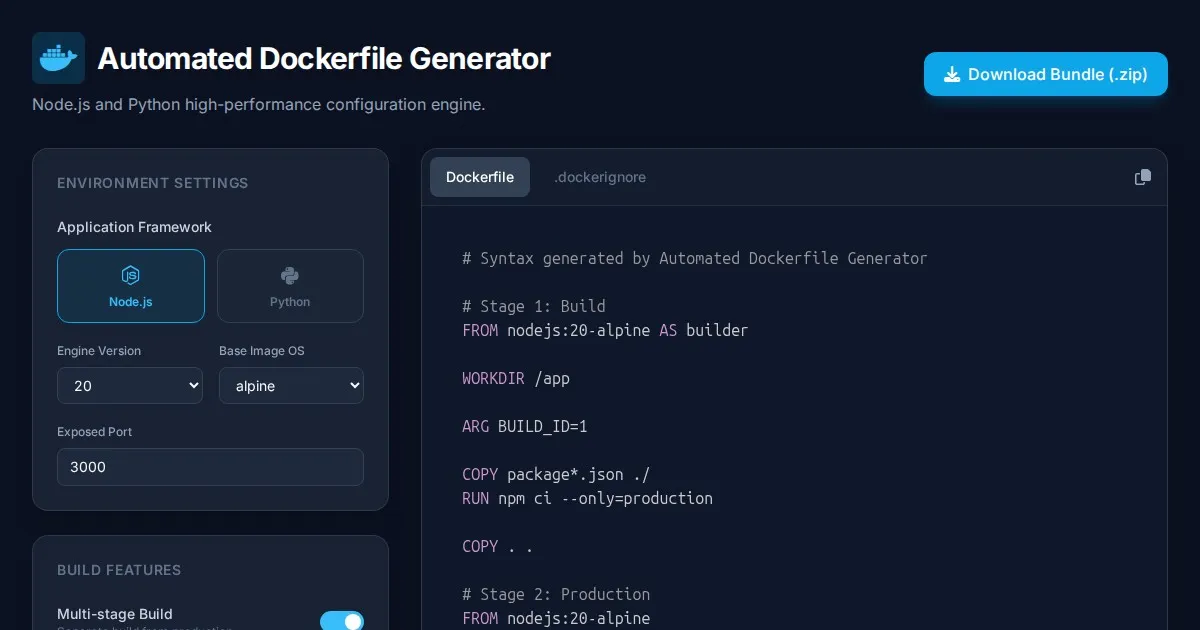
Automated Dockerfile Generator for Node.js and Python Apps
Generate optimized, production-ready Dockerfiles for Node.js and Python applications instantly. Customize base images, port configurations, and dependencies.
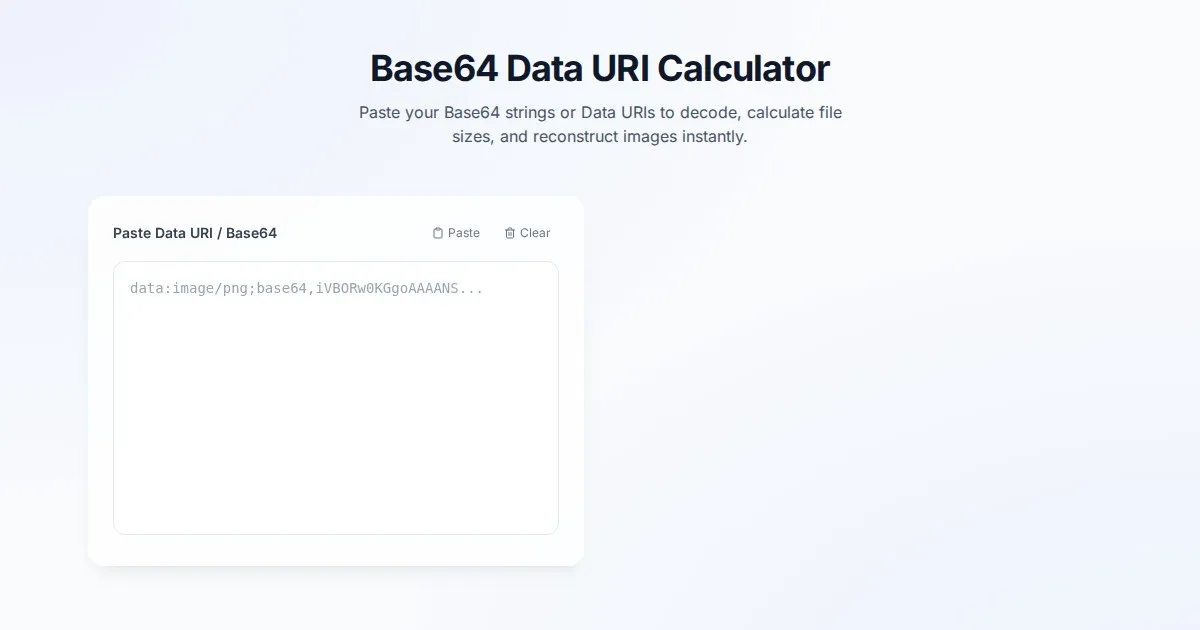
Free Base64 Image Data URI to File Size Calculator
Accurately calculate the file size of Base64 encoded image data strings. This free, web-based tool helps developers estimate binary file sizes for web apps.

Free Online 3D Model Viewer - GLTF & OBJ File Previewer
Instantly preview 3D models online with this free 3D Model Viewer. Support for GLTF, GLB, and OBJ formats. Drag and drop your files for a fast, browser-based render.

Free Online Color Blindness Simulator & Image Filter Tool
Easily simulate color vision deficiencies like protanopia, deuteranopia, and tritanopia. Upload images to test design accessibility for color blindness.
Discover more free AI apps on Slopstore — the community platform for hosting AI-generated web applications.