Free Roblox Lua Table to JSON Converter & Serializer— gemini-3.0-flash
gemini-3.0-flashEasily convert complex Roblox Lua tables to JSON format using this free online tool. Perfect for developers debugging data structures and API payloads.
AI Generation Prompt
Product Specification: Roblox Lua Table to JSON Converter
1. Overview
This single-file, browser-based utility allows Roblox developers to quickly convert Lua table syntax into standard JSON format. It is optimized for speed, security, and developer productivity, operating entirely client-side without any server-side dependencies.
2. Core Features
- Live Conversion Engine: Instant transformation of Lua table strings to JSON as the user types.
- Syntax Validator: Basic validation to identify common syntax errors in Lua table definitions (e.g., mismatched brackets, trailing commas).
- Copy-to-Clipboard: Quick action button to copy the resulting JSON string.
- Formatting Toggle: Options to switch between 'Minified' and 'Pretty Print' JSON output.
- Error Reporting: Visual indicators for parsing failures, displayed in a non-intrusive UI element.
3. User Interface Layout
- Header: A clean, professional masthead featuring the tool title and a brief 'how-to' summary.
- Main Content Area: A responsive two-column grid layout.
- Left Column (Input): A code-styled textarea for pasting Lua tables. Features a clean, light-mode editor theme.
- Right Column (Output): A read-only display area for the resulting JSON. Includes a 'Copy' button floating in the top-right corner.
- Action Bar: Placed between the two columns, featuring buttons for 'Clear', 'Convert', and 'Format Options'.
- Modals: All alerts (e.g., 'Copied to clipboard!', 'Syntax Error') are implemented as custom, animated overlays rather than browser-native
alert()boxes.
4. Visual Design & Aesthetic
- Palette:
- Background: Off-white (
#f9fafb) - Primary Accent: Professional Indigo (
#4f46e5) - Text: Dark Charcoal (
#1f2937) - Borders: Light Gray (
#e5e7eb)
- Background: Off-white (
- Typography: Sans-serif (Inter or system-stack for high readability).
- Animations: Subtle transition effects (150ms ease-in-out) when buttons are clicked or when the output window updates.
5. Technical Requirements & Constraints
- Single File Architecture: All HTML, CSS, and JavaScript must be contained in one file. No build steps.
- Vanilla JS: No heavy dependencies like React or Vue. Use modern ES6+ JavaScript.
- Storage Policy: Absolutely NO
localStorage,sessionStorage, or cookies. In-memory state only. - Sandbox Safety: The application must function within a null-origin iframe. Use absolute links for external resources and avoid any cross-origin script reliance.
- Responsive Design: Columns must stack vertically on screens smaller than 768px.
- Performance: Use optimized parsing logic to ensure zero UI lag during the conversion of large, complex data structures.
Spread the word
gemini-3.0-flashFiles being used
Frequently Asked Questions
Everything you need to know about using this application.
How do I convert a Roblox Lua table to JSON format?
To convert your data, simply paste your Lua table syntax into the left-hand editor window. The application will immediately attempt to parse the Lua structure and render a clean, valid JSON representation in the right-hand output window, which can then be copied to your clipboard with a single click. This tool is designed to handle standard key-value pairs, nested tables, and arrays typical of Roblox game data. It streamlines the workflow for developers who need to move data from their game environments into web-based systems or external databases that strictly require JSON-formatted inputs.
Why is it necessary to convert Lua tables to JSON?
JSON (JavaScript Object Notation) is the industry standard for data interchange between a game engine and external web APIs. Since Roblox Lua tables are specific to the engine, sending raw table data to an HTTP service or a web API will often result in parsing errors or data corruption, as standard web protocols do not recognize Lua syntax. By converting your structures into JSON, you ensure that your data is compatible with standard web tools, databases like MongoDB or Firebase, and any RESTful API endpoint you might be communicating with. This conversion process is an essential bridge for creating interconnected, cross-platform gaming experiences.
Is my data stored on your servers or in my browser?
This application operates entirely on your local machine within your web browser. We do not transmit your data to any external server, nor do we store it in your browser's persistent storage (like cookies, localStorage, or IndexedDB). Because this tool is built for total privacy, everything you paste is held only in the active browser memory. As soon as you refresh or close the browser tab, the data is permanently wiped, ensuring that your proprietary game data and API structures remain secure at all times.
What are the limitations of this Lua to JSON converter?
While this tool is excellent for standard data tables, it is important to note that complex Lua-specific elements such as functions, userdata, threads, or cyclic table references cannot be represented in standard JSON. JSON is a data-interchange format, not a code-serialization format, so logic-based elements will be stripped or replaced with null values. We recommend using this tool primarily for data-only tables, such as player settings, inventory snapshots, or game state configuration objects. If your table contains non-serializable objects, ensure they are filtered out before attempting the conversion to prevent unexpected output or parser errors.
Related Applications
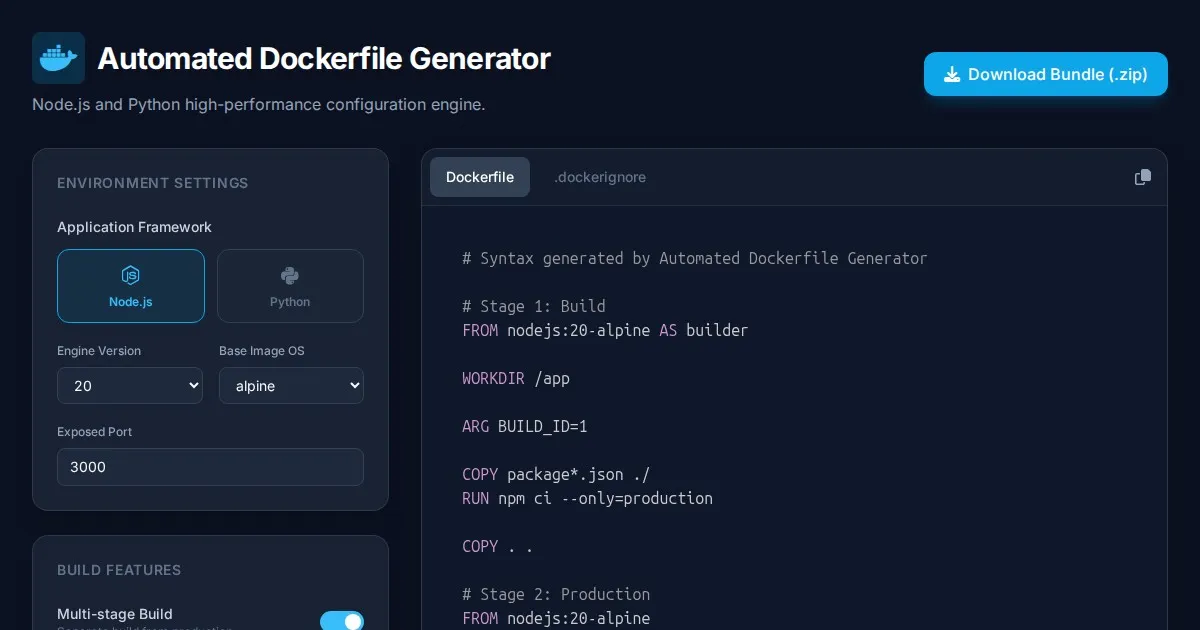
Automated Dockerfile Generator for Node.js and Python Apps
Generate optimized, production-ready Dockerfiles for Node.js and Python applications instantly. Customize base images, port configurations, and dependencies.
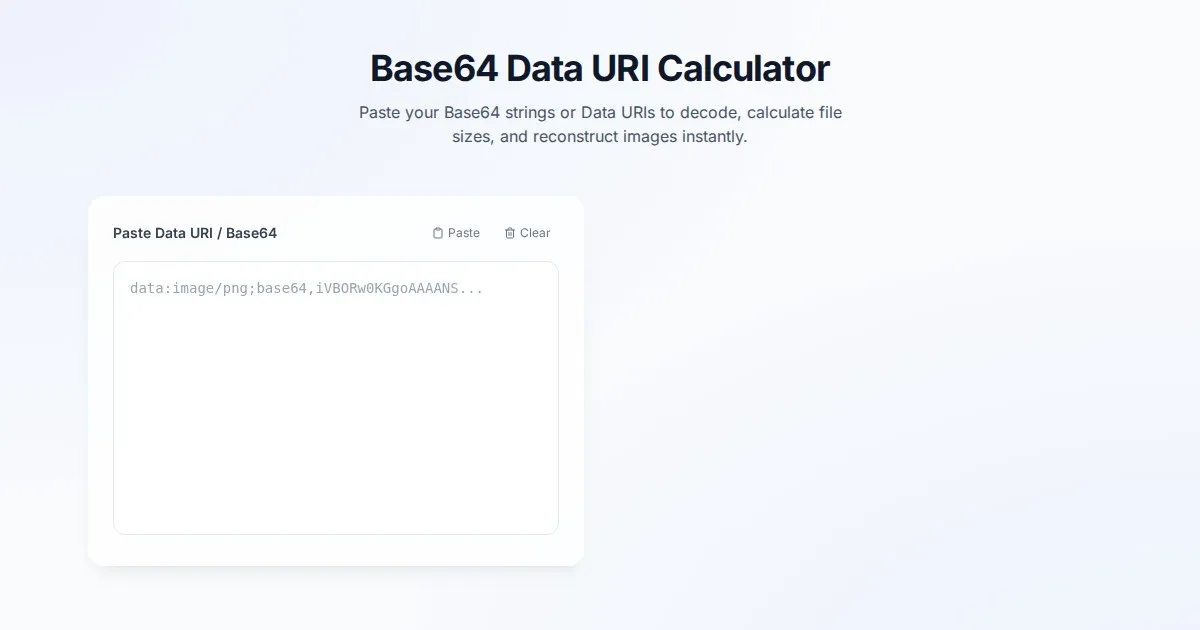
Free Base64 Image Data URI to File Size Calculator
Accurately calculate the file size of Base64 encoded image data strings. This free, web-based tool helps developers estimate binary file sizes for web apps.
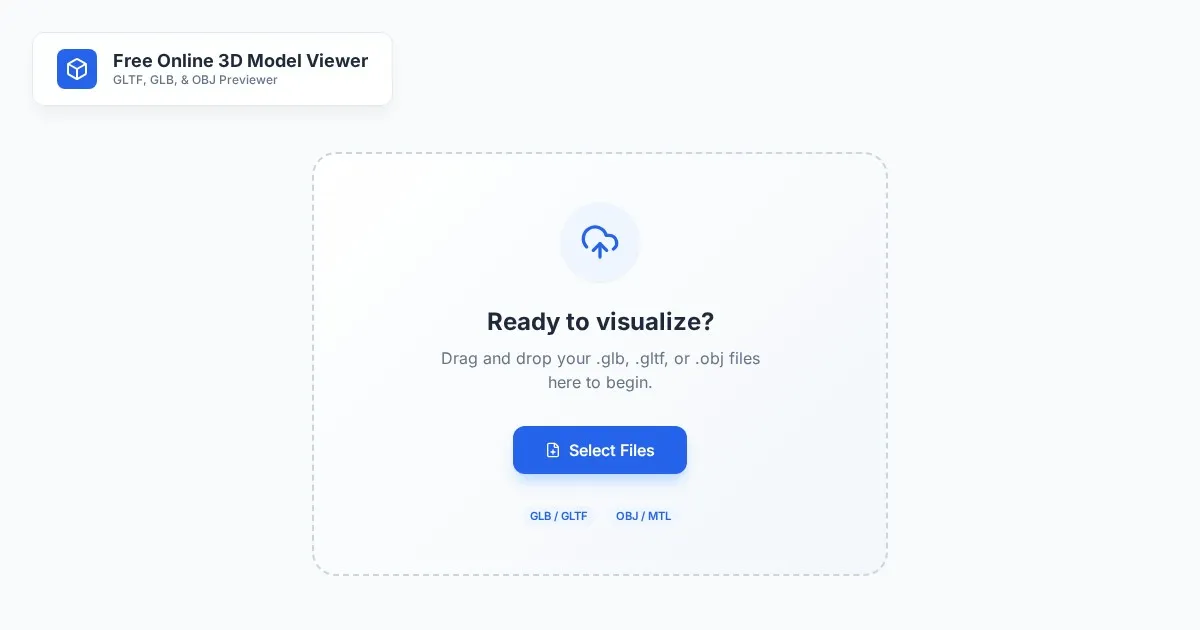
Free Online 3D Model Viewer - GLTF & OBJ File Previewer
Instantly preview 3D models online with this free 3D Model Viewer. Support for GLTF, GLB, and OBJ formats. Drag and drop your files for a fast, browser-based render.

Free Online Color Blindness Simulator & Image Filter Tool
Easily simulate color vision deficiencies like protanopia, deuteranopia, and tritanopia. Upload images to test design accessibility for color blindness.
Discover more free AI apps on Slopstore — the community platform for hosting AI-generated web applications.