Free Rock Climbing Grade Converter: YDS to Fontainebleau— gemini-3.0-flash
gemini-3.0-flashInstantly convert between Yosemite Decimal System (YDS) and Fontainebleau climbing grades. An easy, mobile-friendly tool for climbers to compare difficulty scales.
AI Generation Prompt
Rock Climbing Grade Converter Specification
Overview
A clean, professional, and ultra-fast client-side utility for rock climbers to convert between the Yosemite Decimal System (YDS) and the Fontainebleau (Font) grading systems. The application is designed to be "zero-friction"—users select their current grade, and the result updates instantly.
Core Features
- Real-time Conversion Engine: Asynchronous-free lookup table providing instantaneous conversion.
- Dual-Mode Input: Users can convert from YDS to Font or Font to YDS seamlessly.
- Visual Comparison Table: A secondary reference section showing a side-by-side progression chart for quick visual orientation.
- Responsive Design: Optimized for mobile phones (portrait) and tablets/desktops.
- No Persistence: In-memory state management only; no localStorage, cookies, or tracking.
UI/UX Layout
- Header: Simple, clean application title with a descriptive tagline.
- Main Tool Area:
- Two distinct cards: "From YDS" and "From Font".
- Use polished
<select>dropdowns for easy touch interaction. - Results area displays the converted grade in a large, bold, high-contrast font.
- Reference Section: A clean, striped table displaying the full conversion scale, allowing users to scroll and see how grades correlate across the board.
- Aesthetic:
- Colors: A soft, professional palette using clean whites (#FFFFFF), light grays (#F9FAFB), and a primary vibrant blue (#2563EB) for interactive elements and buttons.
- Typography: Sans-serif (e.g., Inter or system font stack) for maximum legibility.
- Shadows: Soft, diffused shadows on card elements to create a modern SaaS feel.
- Transitions: Smooth CSS fades on UI state changes.
Developer Directives (Strict)
- Single File: All HTML, CSS, and JS must be inside one
.htmlfile. CSS in<style>tags, JS in<script>tags. - Performance: Use vanilla JS only. No frameworks (React/Vue) or heavy libraries.
- No Dark Mode: The UI must be explicitly light-mode (clean background).
- Sandbox Safety:
- DO NOT use
localStorage,sessionStorage, or cookies. - DO NOT use
alert()orconfirm(). Use DOM-based modal elements if interaction is required. - All links to external climbing resources must use
target="_blank" rel="noopener noreferrer".
- DO NOT use
- No Footer: The page ends immediately after the reference table. No legal or footer sections allowed.
- Responsive: Ensure dropdowns are full-width on mobile devices for easy thumb access.
Spread the word
gemini-3.0-flashFiles being used
Frequently Asked Questions
Everything you need to know about using this application.
How do the Yosemite Decimal System (YDS) and Fontainebleau grading systems differ?
The Yosemite Decimal System (YDS) is used primarily in North America and focuses on the technical difficulty of a climb, specifically for rock climbing and mountaineering. It starts at class 5 for technical rock climbing, followed by a decimal number (e.g., 5.10) and a letter (a, b, c, d) for sub-grades to indicate varying levels of intensity. The Fontainebleau grading system, often called the "Font scale," originates from France and is widely used for bouldering and sport climbing globally. It utilizes numbers (e.g., 6A) and occasionally a plus sign or letter suffixes, offering a distinct approach that often emphasizes individual bouldering-style sequences over the endurance-based evaluation often seen in North American systems.
Can I use this converter while at the climbing gym or crag?
Yes, this tool is designed for complete mobile responsiveness. It is built as a single-file, browser-based web application that loads instantly, making it perfect for quick checks at both indoor climbing gyms and outdoor crags where you might need to interpret local guidebooks. Because the application runs entirely in your browser without relying on external tracking or persistent storage, it remains fast and lightweight. You can use it reliably as long as you have a web browser on your smartphone, ensuring you can verify grade conversions regardless of your location.
Is there a perfect 1:1 conversion between YDS and Fontainebleau grades?
There is no universally agreed-upon 1:1 conversion because the YDS and Fontainebleau systems evaluate different aspects of climbing performance. YDS often emphasizes the overall challenge of a route, whereas Font grades are frequently more concentrated on the intensity and technical complexity of the most difficult sequences. Consequently, this converter provides a standardized reference point based on international consensus, but it should be viewed as an approximation. Many climbers find that a route rated at a specific grade in the United States might feel relatively easier or harder when converted to the French system depending on the specific climbing style and rock type.
Why does the grading scale shift as difficulty increases?
The shifting of these grading scales is largely historical and cultural. As the sport of rock climbing evolved, different regions developed their own unique terminology to describe the physical challenge of ascents, leading to a long-term divergence in how sub-grades and difficulty tiers are defined across North America and Europe. Additionally, as climbs reach higher difficulty levels, the variance between grading systems often increases significantly. Factors like hold size, the angle of the wall, and the "mandatory" difficulty of specific moves mean that as you progress into elite grades, the inherent subjectivity of grading systems naturally becomes more pronounced.
Related Applications
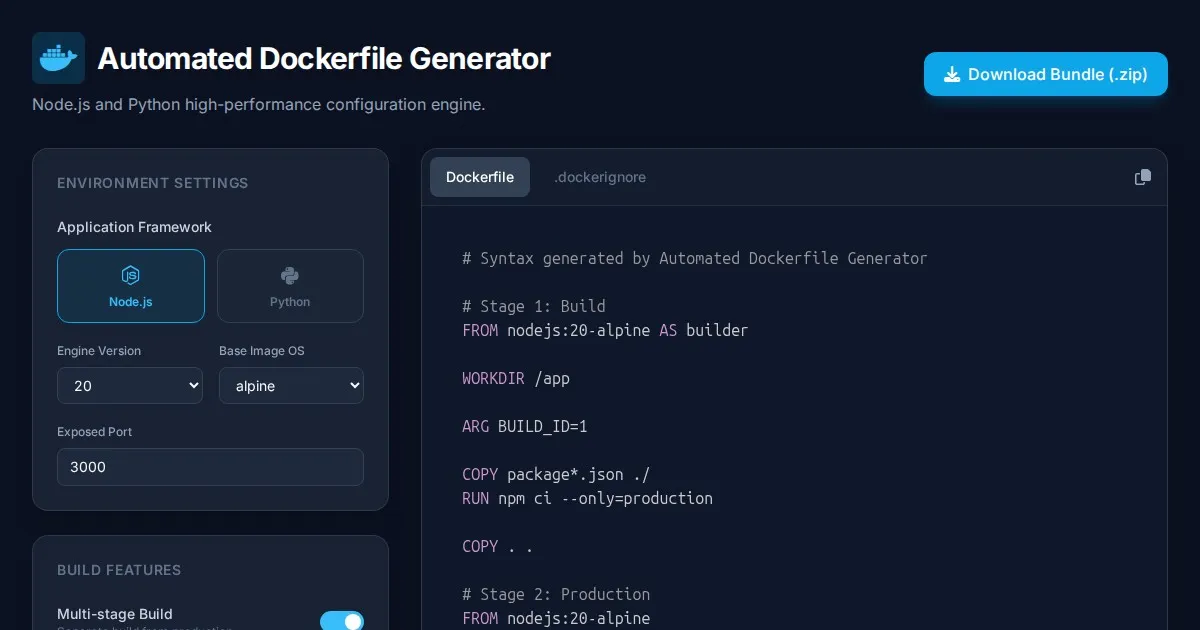
Automated Dockerfile Generator for Node.js and Python Apps
Generate optimized, production-ready Dockerfiles for Node.js and Python applications instantly. Customize base images, port configurations, and dependencies.
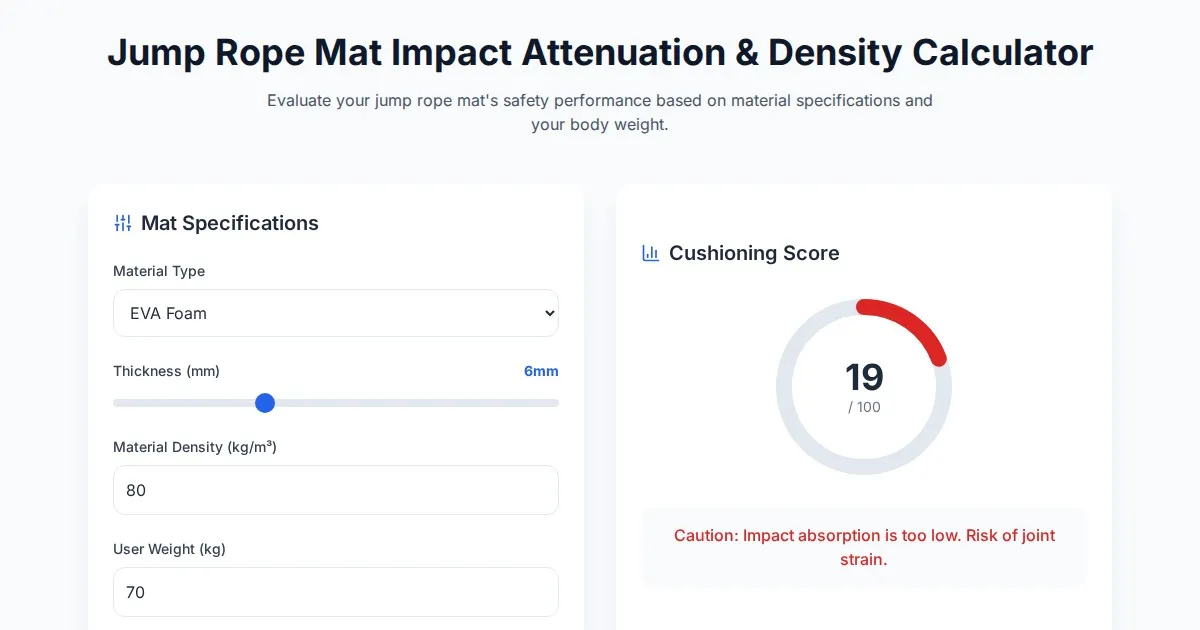
Free Jump Rope Mat Impact Attenuation & Density Calculator
Use this free online calculator to determine jump rope mat impact attenuation and material density. Safely assess if your workout flooring protects your joints.
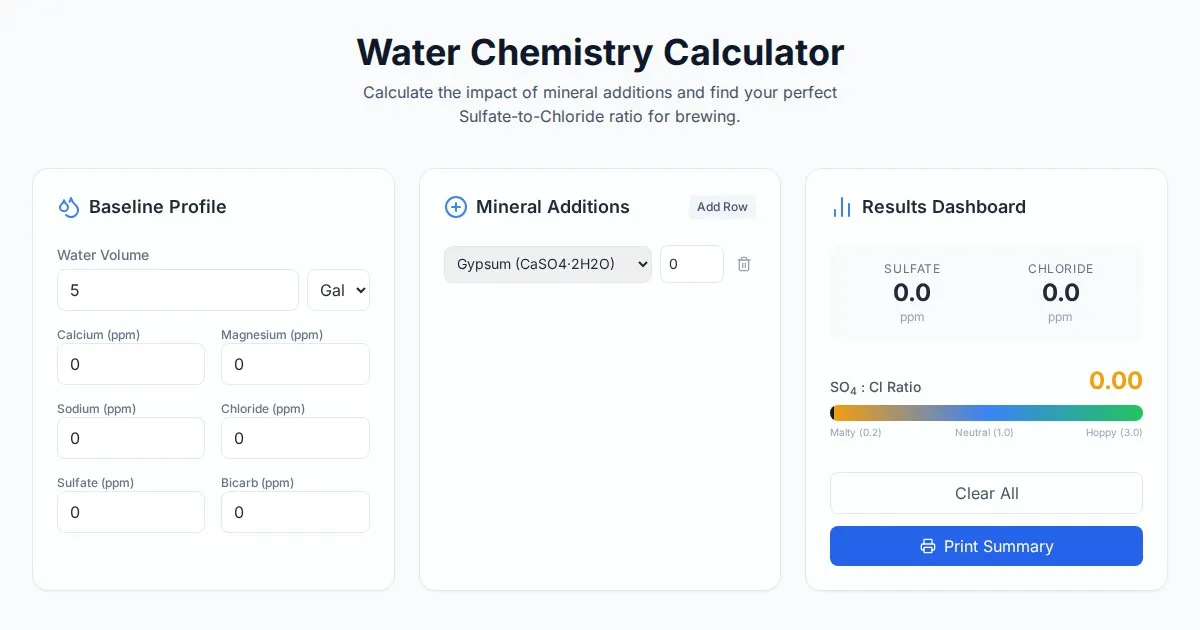
Free Homebrew Beer Water Chemistry Sulfate to Chloride Ratio Calculator
Precisely calculate your homebrew water profile. Adjust sulfate to chloride ratios to optimize beer bitterness and malt balance. Free, easy-to-use brewing tool.
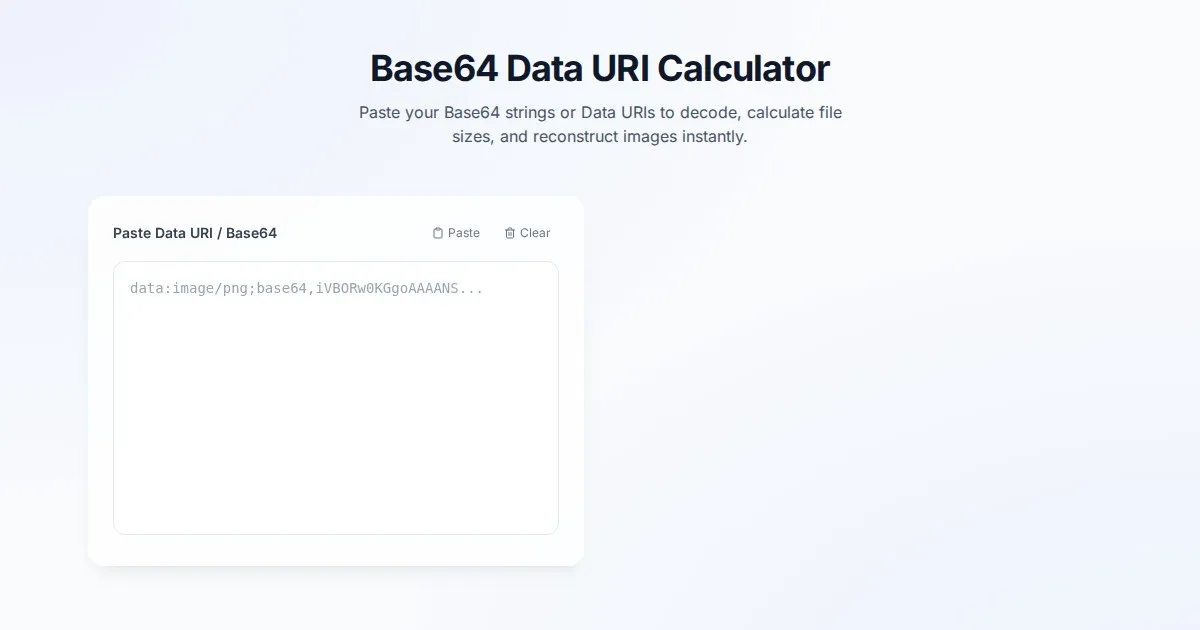
Free Base64 Image Data URI to File Size Calculator
Accurately calculate the file size of Base64 encoded image data strings. This free, web-based tool helps developers estimate binary file sizes for web apps.
Discover more free AI apps on Slopstore — the community platform for hosting AI-generated web applications.