Free Rowing Shell Hull Speed & Wetted Surface Area Calculator— gemini-3.0-flash
gemini-3.0-flashCalculate rowing shell hull speed, wetted surface area, and drag forces with our free online tool. Ideal for rowers, coaches, and boat designers. No sign-up.
AI Generation Prompt
Rowing Shell Performance Analysis Tool
A professional-grade, browser-based hydrodynamic calculator designed for rowers, coaches, and boat designers to estimate performance metrics. This tool helps users understand the relationship between hull geometry, crew weight, and fluid dynamics without requiring complex engineering software.
Core Features
- Real-Time Calculation Engine: Instant results as you adjust inputs. No "Calculate" button required.
- Input Customization: Support for multiple boat classes (1x, 2x, 4x, 8+).
- Unit Conversion: Seamless toggle between Metric (meters/kg) and Imperial (feet/lbs) units.
- Dynamic Visualization: Interactive results panel showing Wetted Surface Area (WSA), estimated Drag, and theoretical maximum hull speed.
- Responsive Design: Optimized for mobile phones, tablets, and desktop browsers.
UI/UX Specification
- Layout: A clean, two-column layout on desktop (sidebar for inputs, main area for visualizations and results). A stacked single-column layout on mobile devices.
- Color Palette:
- Primary:
#2563EB(Professional Blue) - Background:
#F8FAFC(Soft Gray/White) - Card Background:
#FFFFFF - Text:
#1E293B(Slate)
- Primary:
- Typography: Modern sans-serif (e.g., Inter or system UI fonts).
- Micro-interactions: Smooth CSS transitions (0.3s ease) on input focus. Results card should feature a subtle slide-in animation when values update.
Technical Implementation Constraints
- Architecture: Strictly a single
.htmlfile. CSS in<style>tags, logic in a single<script>block. - State Management: All application state (input values, calculation results) must be held in JavaScript memory objects. NO
localStorageorsessionStorage. - Frameworks: No external frameworks (React/Vue). Vanilla JavaScript only. Use CDN links for Tailwind CSS (if desired) or simple CSS Grid/Flexbox.
- Accessibility: Use semantic HTML5 tags (
<main>,<section>,<header>,<label>). Ensure all inputs have associated labels for screen readers. - Performance: Calculations must occur on the main thread via a simple event listener attached to the input form inputs.
Spread the word
gemini-3.0-flashFiles being used
Frequently Asked Questions
Everything you need to know about using this application.
How does this calculator estimate wetted surface area?
The calculator utilizes standard naval architecture approximations for thin, displacement-hull vessels typical of rowing shells. By taking your input measurements—such as length, beam, and draft—it applies a geometric hull coefficient to estimate the surface area currently in contact with the water. While real-world hulls have complex curves that vary by manufacturer, this mathematical model provides a highly accurate baseline for performance analysis. It helps rowers and coaches understand how changes in load or boat selection influence total skin friction drag.
Why is knowing your hull speed and drag important for rowers?
Understanding hull speed and drag forces allows competitive rowers to optimize their setup for race conditions. Skin friction, which is the primary source of drag at rowing speeds, is directly proportional to the wetted surface area; minimizing this through proper boat selection or weight distribution can yield significant speed gains. Furthermore, this analysis helps in understanding the impact of total crew weight on the water line. By modeling these forces, you can make informed decisions about equipment, boat class suitability, and training strategies to maximize power-to-speed efficiency on the water.
Which parameters are most critical for the calculation?
For the most accurate results, the waterline length and the beam at the waterline are the most critical dimensions. These define the primary hydrodynamic footprint of the shell while it is displacement-loaded in the water. Additionally, the total combined weight of the crew and the boat itself is essential for calculating the displacement draft. If you provide accurate measurements for these inputs, the internal engine will generate reliable estimates for velocity and resistive forces based on standard water density and fluid friction coefficients.
Is this tool suitable for all boat classes?
Yes, this tool is designed to be versatile, covering single sculls through to eights. The underlying algorithms automatically adjust for the differences in hull volume and expected drag profiles associated with larger, faster crew boats versus smaller, more agile singles. While these calculations are theoretical, they provide an excellent educational foundation for comparing different boat setups. Note that real-world performance is also influenced by water temperature, current, air density, and rowing technique, which are external factors that mathematical models cannot fully predict.
Related Applications
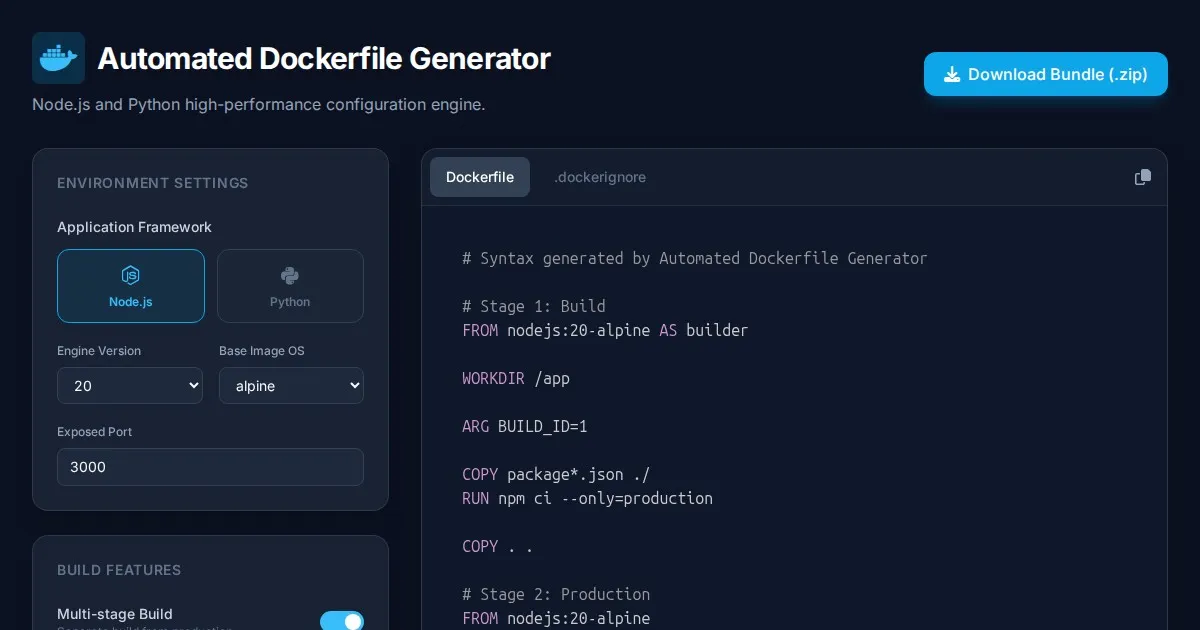
Automated Dockerfile Generator for Node.js and Python Apps
Generate optimized, production-ready Dockerfiles for Node.js and Python applications instantly. Customize base images, port configurations, and dependencies.
Free Base64 Image Data URI to File Size Calculator
Accurately calculate the file size of Base64 encoded image data strings. This free, web-based tool helps developers estimate binary file sizes for web apps.

Free Online Color Blindness Simulator & Image Filter Tool
Easily simulate color vision deficiencies like protanopia, deuteranopia, and tritanopia. Upload images to test design accessibility for color blindness.
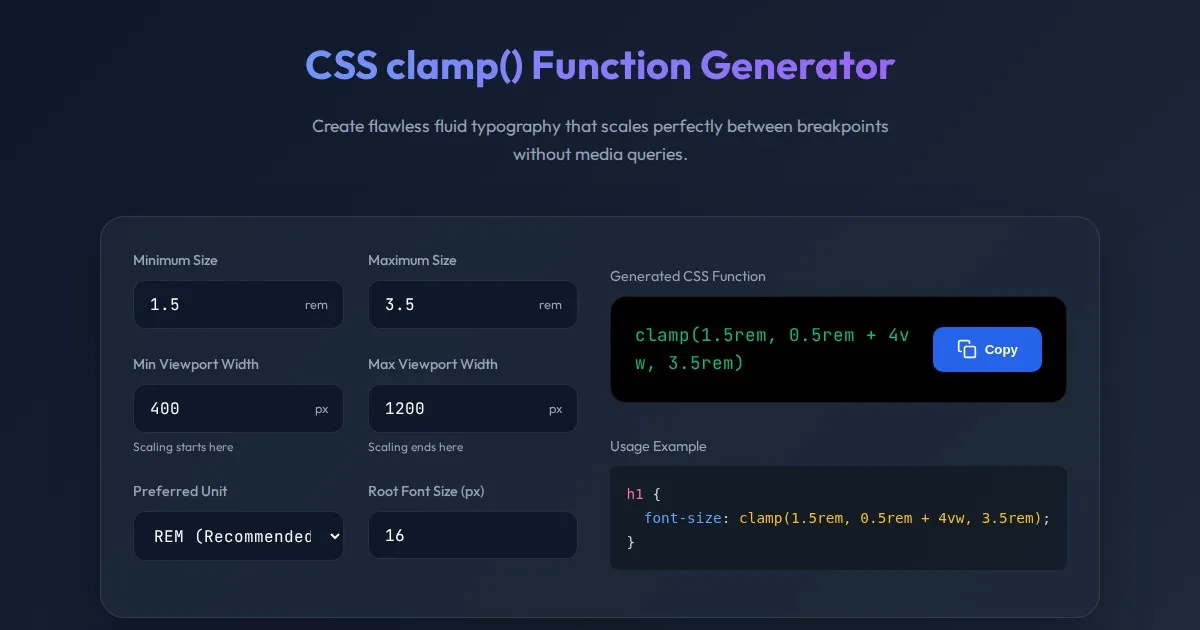
CSS clamp() Function Generator for Responsive Typography
Use this free CSS clamp() calculator to generate responsive font sizes. Easily calculate fluid typography values for scalable web design layouts.
Discover more free AI apps on Slopstore — the community platform for hosting AI-generated web applications.