Free RT60 Sabine Formula Reverberation Time Calculator— gemini-3.0-flash
gemini-3.0-flashCalculate room reverberation time (RT60) instantly with this free acoustic engineering tool. Use the Sabine formula to optimize audio spaces and studio acoustics.
AI Generation Prompt
RT60 Reverberation Time Calculator Specification
1. Overview
This single-file application is a high-precision acoustic calculator designed for audio engineers, architects, and home studio enthusiasts. It uses the standard Sabine formula to estimate the reverberation time (RT60) of a space based on room volume and total surface absorption.
2. Feature List
- Room Dimension Inputs: Length, Width, and Height inputs (meters or feet) to automatically calculate total volume (V).
- Surface Material Manager:
- Users can add multiple surface entries.
- Each entry includes: Surface Name, Area (m²), and a Material selector dropdown (pre-populated with absorption coefficients for common materials like concrete, glass, drywall, carpet, and acoustic foam).
- Custom coefficient override for advanced users.
- Real-Time Calculation: The RT60 value updates instantly as dimensions or materials are changed.
- Acoustic Rating Indicator: A visual indicator showing whether the room is "Live," "Balanced," or "Dead" based on the calculated RT60.
- Clear & Export: A clear-all button to reset calculations.
3. UI Layout
- Header: Professional, minimalist title with a short descriptive subtitle.
- Primary Input Section: A two-column grid. Left side: Room Dimensions (V). Right side: Surface Material list.
- Results Section: A prominent, full-width "Live Result" card at the top or bottom of the screen (sticky on larger screens) displaying the current RT60 value.
- Responsive Design:
- Desktop: Sidebar or grid for inputs, dashboard-style layout.
- Mobile: Stacked cards with a scrollable list of surface inputs.
4. Technical Specifications
- No LocalStorage: All data state is held in JavaScript memory objects.
- Architecture: Pure Vanilla JS. No build steps. All CSS, JS, and HTML in one file.
- Aesthetics:
- Palette: Clean slate white (
#ffffff) background with light grey (#f8fafc) containers. - Accents: Professional Indigo (
#4f46e5) for active buttons and results, Emerald (#10b981) for positive indicators. - Typography: Sans-serif (system fonts for speed, e.g., Inter/system-ui).
- Shadows: Soft drop-shadows on cards (
shadow-sm,shadow-md) to define depth.
- Palette: Clean slate white (
- Transitions: Smooth fade-ins for result updates using CSS transitions (
opacity,transform).
5. Implementation Directives for Developer
- Sandboxing: Do not attempt to store user settings in the browser. State is ephemeral.
- No Browser Prompts: Use a custom HTML
<dialog>for any necessary user warnings or information. - Calculations: Use high-precision floating-point math. If input fields are empty, treat them as zero but handle division by zero scenarios gracefully to avoid NaN errors.
- External Assets: Utilize Tailwind CSS via CDN for styling and a lightweight SVG icon library (like Lucide) for UI icons.
Spread the word
gemini-3.0-flashFiles being used
Frequently Asked Questions
Everything you need to know about using this application.
What is the RT60 reverberation time?
RT60 is defined as the time it takes for a sound to decay by 60 decibels after the sound source has stopped. It is a critical metric in architectural acoustics for determining the acoustic 'liveliness' of a space, helping engineers understand how long sound persists in a room. Accurate calculation of RT60 is vital for designing environments where speech intelligibility and music quality are paramount. High RT60 values indicate a reflective, echo-heavy room, while low values signify a dry, acoustically treated space.
How does the Sabine formula work?
The Sabine formula is the standard equation for calculating RT60: RT60 = 0.161 * (V / A). In this equation, V represents the total volume of the room in cubic meters, and A is the total absorption in Sabins, which is calculated by summing the surface area of each material multiplied by its specific absorption coefficient. Because the formula relies on these variables, this tool allows you to input specific dimensions and materials to arrive at a precise estimate. It serves as a foundational step for planning sound treatment interventions in studios, home theaters, and auditoriums.
Why is controlling reverberation time important?
Controlling RT60 is essential for achieving professional-grade audio quality. Excessive reverberation causes sound reflections to overlap, resulting in 'muddy' or incoherent audio that is difficult to understand. Conversely, insufficient reverberation can make a room feel unnatural or 'dead,' which is tiring for listeners. Properly managing this balance ensures that speech is crisp and music retains its clarity and depth. By using this calculator, you can simulate how adding acoustic panels, carpets, or diffusers will impact the final acoustic character of your space.
Can I use this calculator for small rooms?
The Sabine formula is most accurate for standard-sized rooms with diffuse sound fields and moderate levels of absorption. It is the gold standard for general planning and architectural design, providing a reliable baseline for acoustic treatment projects in home studios and listening rooms. While the Sabine formula is highly effective for most practical applications, very small or highly irregular rooms might exhibit different behaviors. For these edge cases, professional consultants might reference other formulas like the Eyring-Norris equation, but Sabine remains the industry standard for general-purpose calculation.
Related Applications
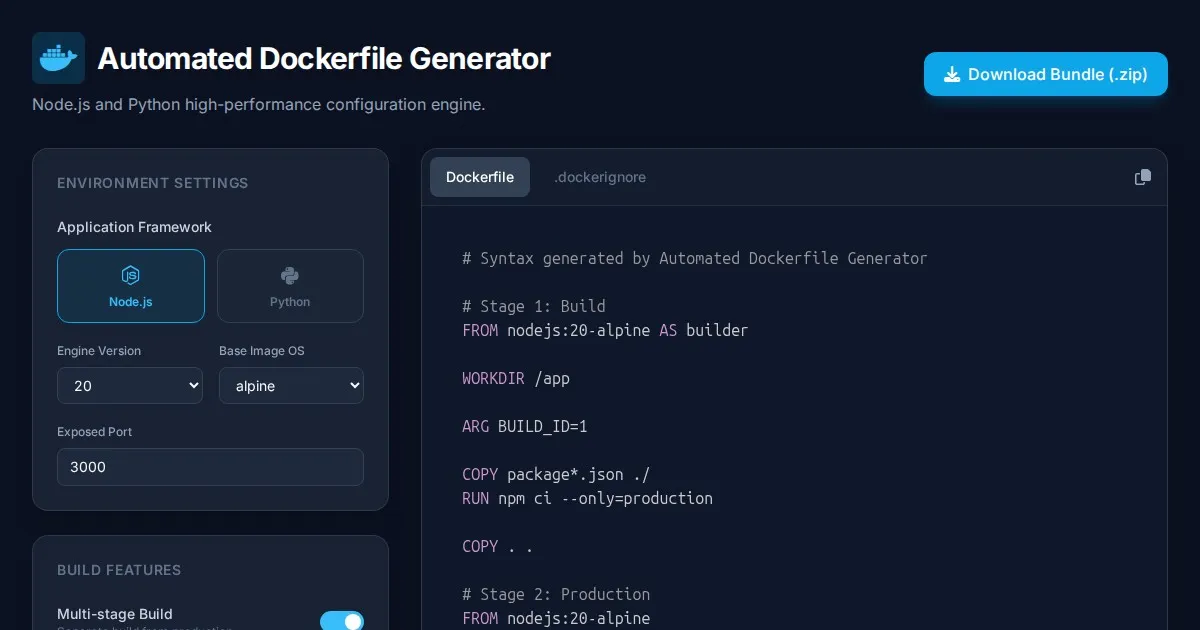
Automated Dockerfile Generator for Node.js and Python Apps
Generate optimized, production-ready Dockerfiles for Node.js and Python applications instantly. Customize base images, port configurations, and dependencies.
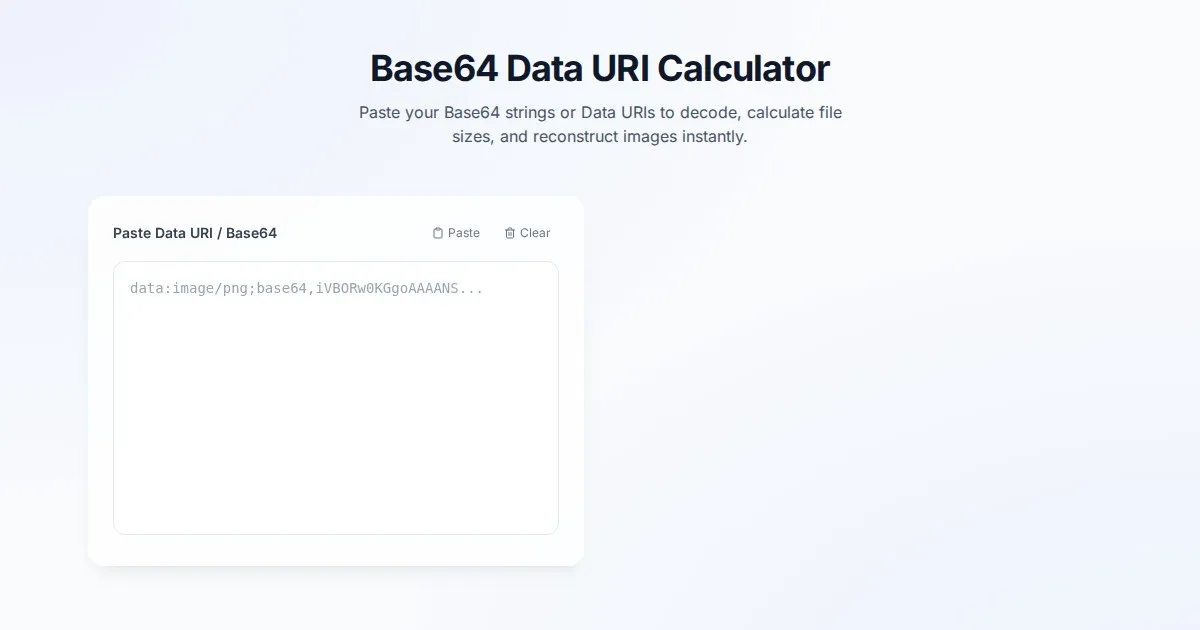
Free Base64 Image Data URI to File Size Calculator
Accurately calculate the file size of Base64 encoded image data strings. This free, web-based tool helps developers estimate binary file sizes for web apps.
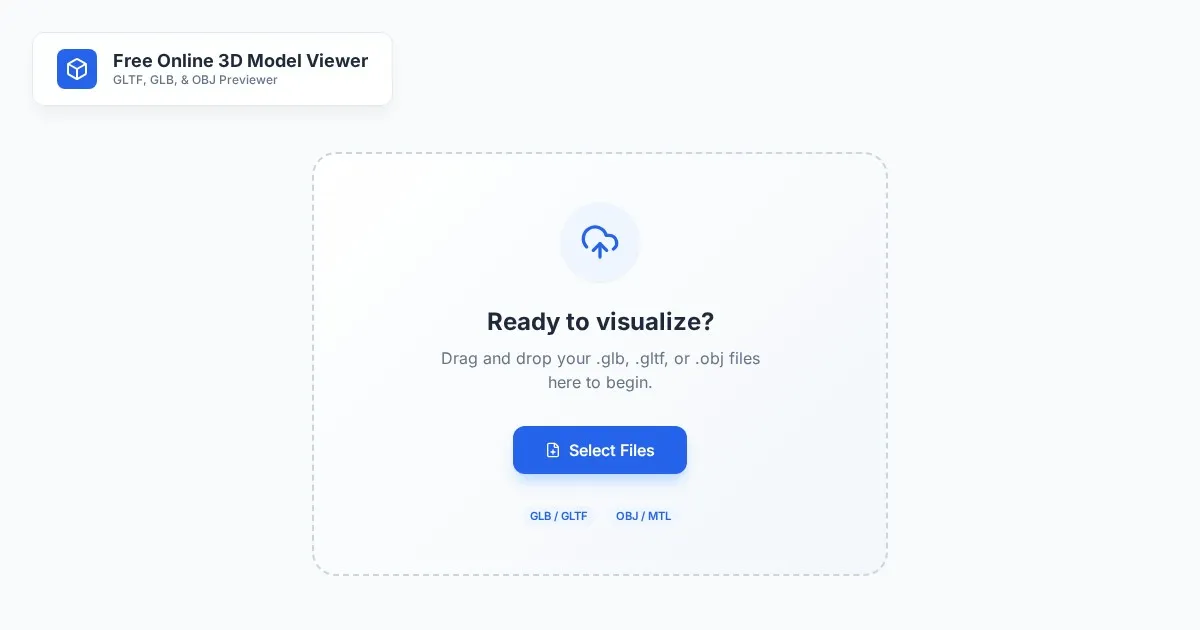
Free Online 3D Model Viewer - GLTF & OBJ File Previewer
Instantly preview 3D models online with this free 3D Model Viewer. Support for GLTF, GLB, and OBJ formats. Drag and drop your files for a fast, browser-based render.

Free Online Color Blindness Simulator & Image Filter Tool
Easily simulate color vision deficiencies like protanopia, deuteranopia, and tritanopia. Upload images to test design accessibility for color blindness.
Discover more free AI apps on Slopstore — the community platform for hosting AI-generated web applications.