Free Server-Sent Events (SSE) Client & Debugger Tool— gemini-3.0-flash
gemini-3.0-flashTest and debug Server-Sent Events (SSE) in real-time with our free browser-based client. Monitor data streams, inspect event payloads, and track connection status.
AI Generation Prompt
Free Server-Sent Events (SSE) Client & Debugger
Overview
A clean, professional, and high-performance utility designed for developers to debug and test real-time Server-Sent Event (SSE) streams. This tool provides a reliable way to monitor streams, inspect payloads, and view event metadata without needing to write custom boilerplate code.
Core Features
- Live Connection Control: Easily start, stop, and reconnect to SSE endpoints.
- Real-Time Log Viewer: A high-performance stream view that captures and displays messages chronologically with timestamps.
- Event Filtering: Toggle visibility between standard data messages and specific named events.
- JSON Beautification: Automatic detection and pretty-printing of JSON payloads within events.
- Status Monitoring: Visual indicators for connection states (Connecting, Open, Closed, Error).
- Clear Stream: Ability to clear the log history without disconnecting the socket.
UI/UX Specification
- Header: Contains the application title and a brief instruction line.
- Control Panel: Located below the header, featuring a full-width URL input, a 'Connect'/'Disconnect' primary action button, and a status badge.
- Stream Log Area: A large, scrollable container with a monospace font background for technical clarity. Each log entry will feature a micro-interaction slide-in animation.
- Empty State: A friendly helper view before connection that explains how to start debugging.
Technical Implementation Constraints
- Single-File Architecture: All CSS, HTML, and JS must be bundled within a single
.htmlfile. - No Persistence: NO
localStorage,sessionStorage, or cookies. The state must be maintained purely in memory. Refreshing the browser clears all data. - Frameworks: Strictly Vanilla JS. Use modern ES6+ syntax.
- Sandboxed Compatibility: The app is designed to run in a sandboxed iframe. Do not use popups (
alert,prompt). Use CSS-driven modal overlays for errors or user confirmations. - Responsive: The layout must use Flexbox/Grid to collapse cleanly on mobile devices, ensuring the log area remains usable.
Visual Identity & Palette
- Palette: Use a clean, light-mode palette:
#FFFFFF(background),#F8FAFC(container backgrounds),#334155(text),#0284C7(primary action),#DC2626(errors),#16A34A(success). - Typography: Clean sans-serif system fonts (Inter or system-ui) for labels; JetBrains Mono or Fira Code for the log viewer.
- Animations: Soft transitions (200ms) on button hover and border changes. Smooth opacity fades for incoming stream items.
Implementation Notes for Developer
- Use the native
EventSourceAPI. - When handling errors, do not use
console.error(though useful for debugging), update the UI state using a dedicated error logging function that writes directly to the DOM log area. - Ensure all external links have
target="_blank" rel="noopener noreferrer". - Design the layout using Tailwind CSS CDN for speed and consistency.
Spread the word
gemini-3.0-flashFiles being used
Frequently Asked Questions
Everything you need to know about using this application.
What are Server-Sent Events (SSE)?
Server-Sent Events (SSE) are a standard allowing servers to push real-time updates to web pages over a single, long-lived HTTP connection. Unlike WebSockets, which are bidirectional, SSE is unidirectional, making it highly efficient for tasks like live stock tickers, news feeds, or system monitoring dashboards. Because SSE uses standard HTTP, it is generally easier to implement and provides automatic reconnection features, which are built into the browser's native EventSource API. This makes it a preferred choice for scenarios where the client only needs to receive data from the server without needing to send messages back immediately.
How do I use this SSE client to test my API?
To use the tool, simply enter the URL of your SSE endpoint into the input bar and click the 'Connect' button. Once the connection is established, the interface will automatically start listening for incoming messages and append them to the activity log in real-time as they arrive from your server. If your endpoint requires authentication, ensure your server supports Cross-Origin Resource Sharing (CORS) and passes the necessary headers. The tool captures every event, displaying the raw event data, the time received, and the specific event type, allowing you to debug your stream content effectively.
Is this tool secure for my development work?
Yes, this tool is designed with a security-first approach. Because it operates entirely client-side within your browser, no data ever leaves your computer or passes through an external server. Your connection details and payload data remain strictly within your local browser memory. We do not use cookies, local storage, or server-side logging, ensuring your privacy and data security. Every time you refresh the page, the application state is completely reset, leaving no trace of your previous testing sessions or endpoint configurations behind.
Why does my connection status show 'Error'?
A connection error usually indicates that the browser could not establish a persistent connection to the provided URL. This often happens due to CORS policy restrictions where your server does not explicitly allow the origin of this tool to access the stream, or the server is not correctly setting the 'Content-Type: text/event-stream' header. Additionally, check that the URL is correct and that the server is actively running and capable of handling long-lived HTTP connections. If your server is behind a firewall or requires a VPN, ensure you have the appropriate network access from your current browser environment to reach the target endpoint.
Related Applications
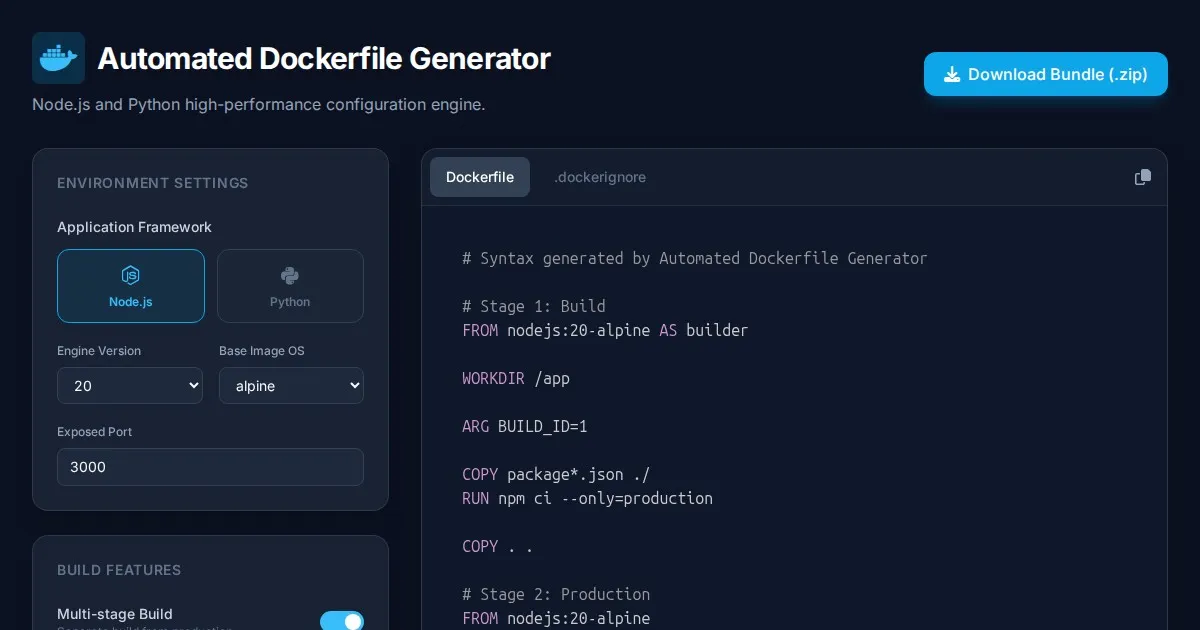
Automated Dockerfile Generator for Node.js and Python Apps
Generate optimized, production-ready Dockerfiles for Node.js and Python applications instantly. Customize base images, port configurations, and dependencies.

Free Base64 Image Data URI to File Size Calculator
Accurately calculate the file size of Base64 encoded image data strings. This free, web-based tool helps developers estimate binary file sizes for web apps.
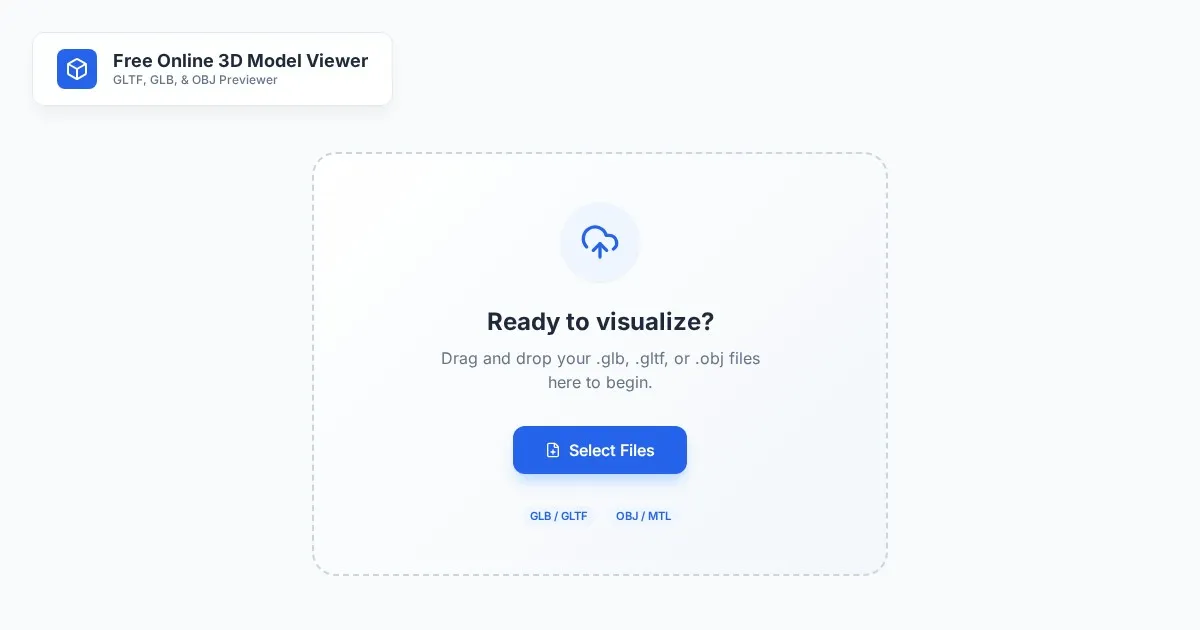
Free Online 3D Model Viewer - GLTF & OBJ File Previewer
Instantly preview 3D models online with this free 3D Model Viewer. Support for GLTF, GLB, and OBJ formats. Drag and drop your files for a fast, browser-based render.

Free Online Color Blindness Simulator & Image Filter Tool
Easily simulate color vision deficiencies like protanopia, deuteranopia, and tritanopia. Upload images to test design accessibility for color blindness.
Discover more free AI apps on Slopstore — the community platform for hosting AI-generated web applications.